Hospital patients
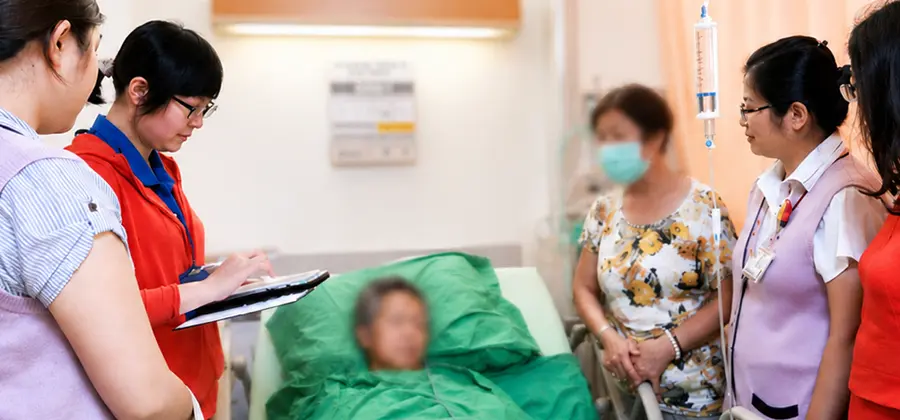
Older adults and chronic disease patients
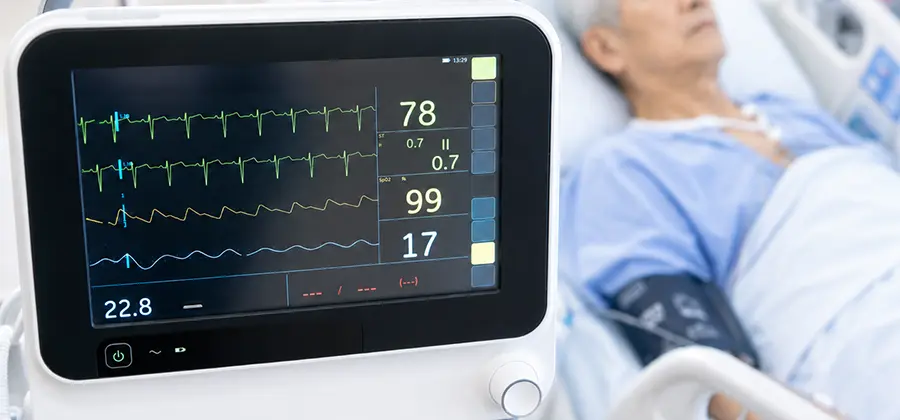
Critically ill and high-risk medication users
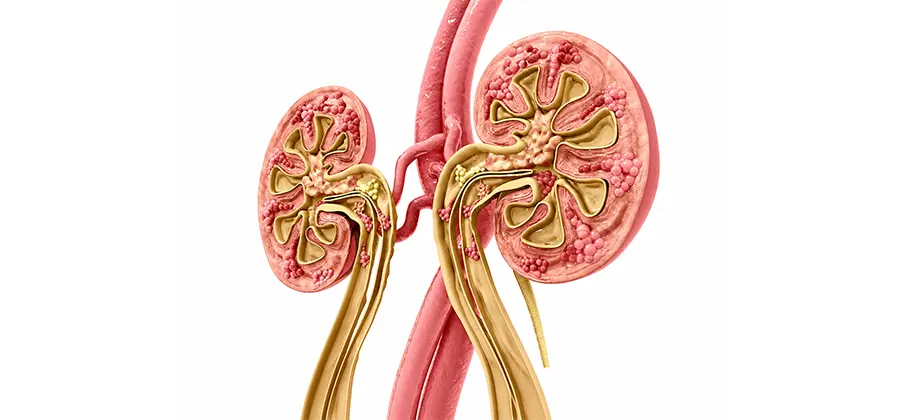
General public and caregivers
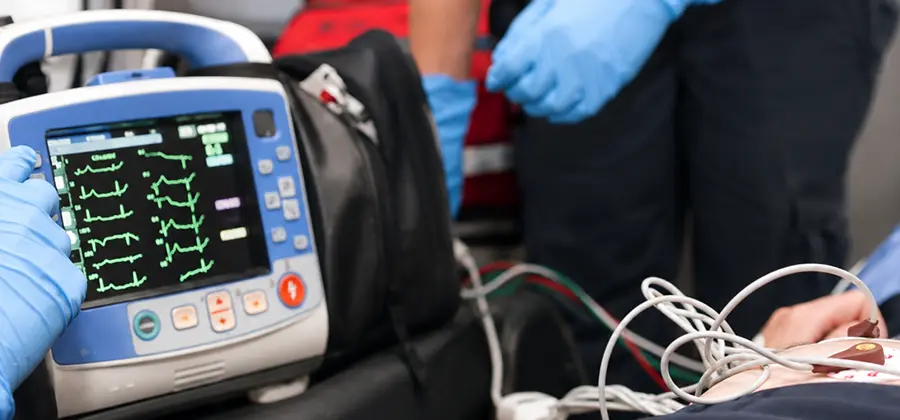
Healthcare professionals
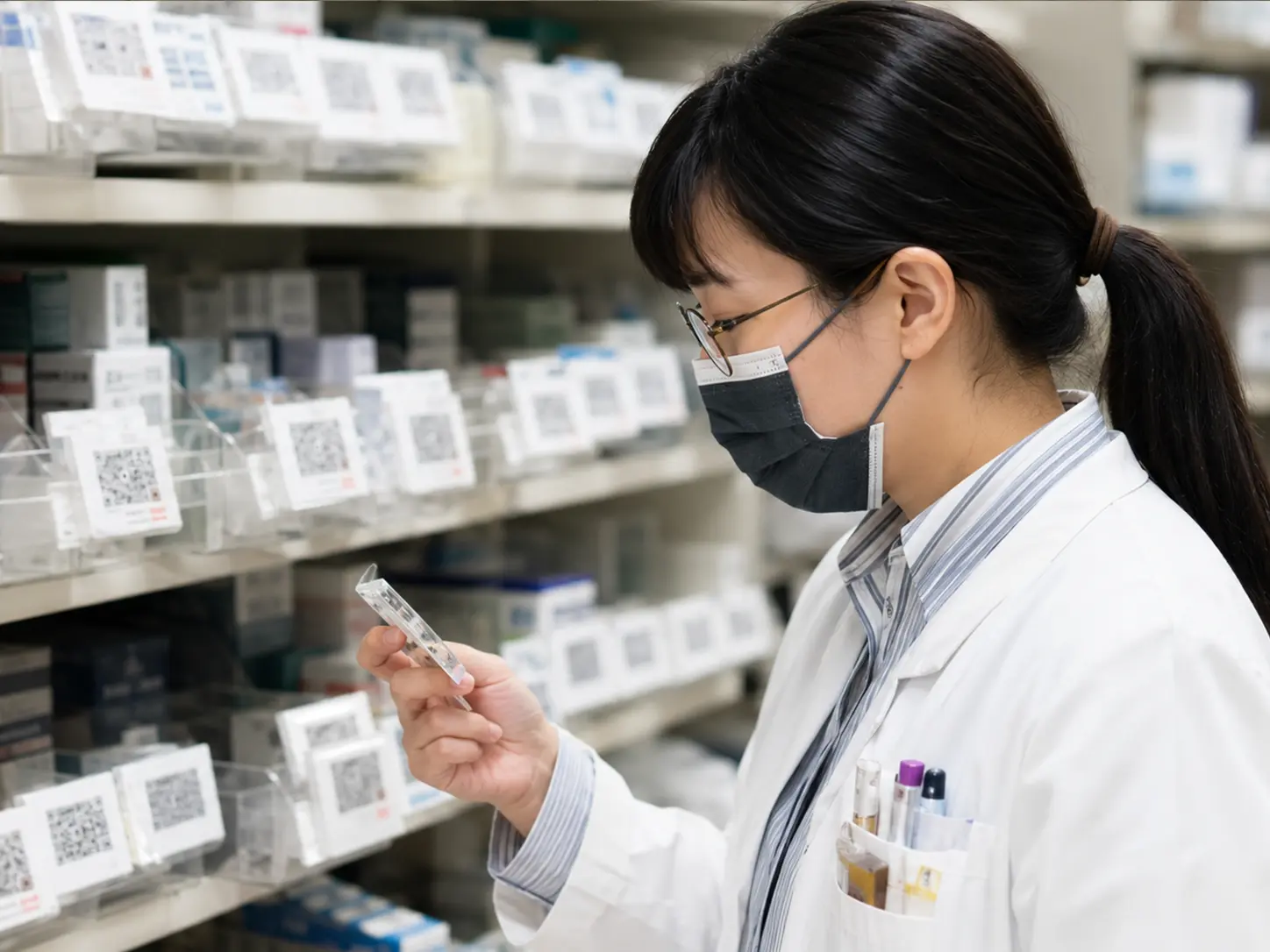
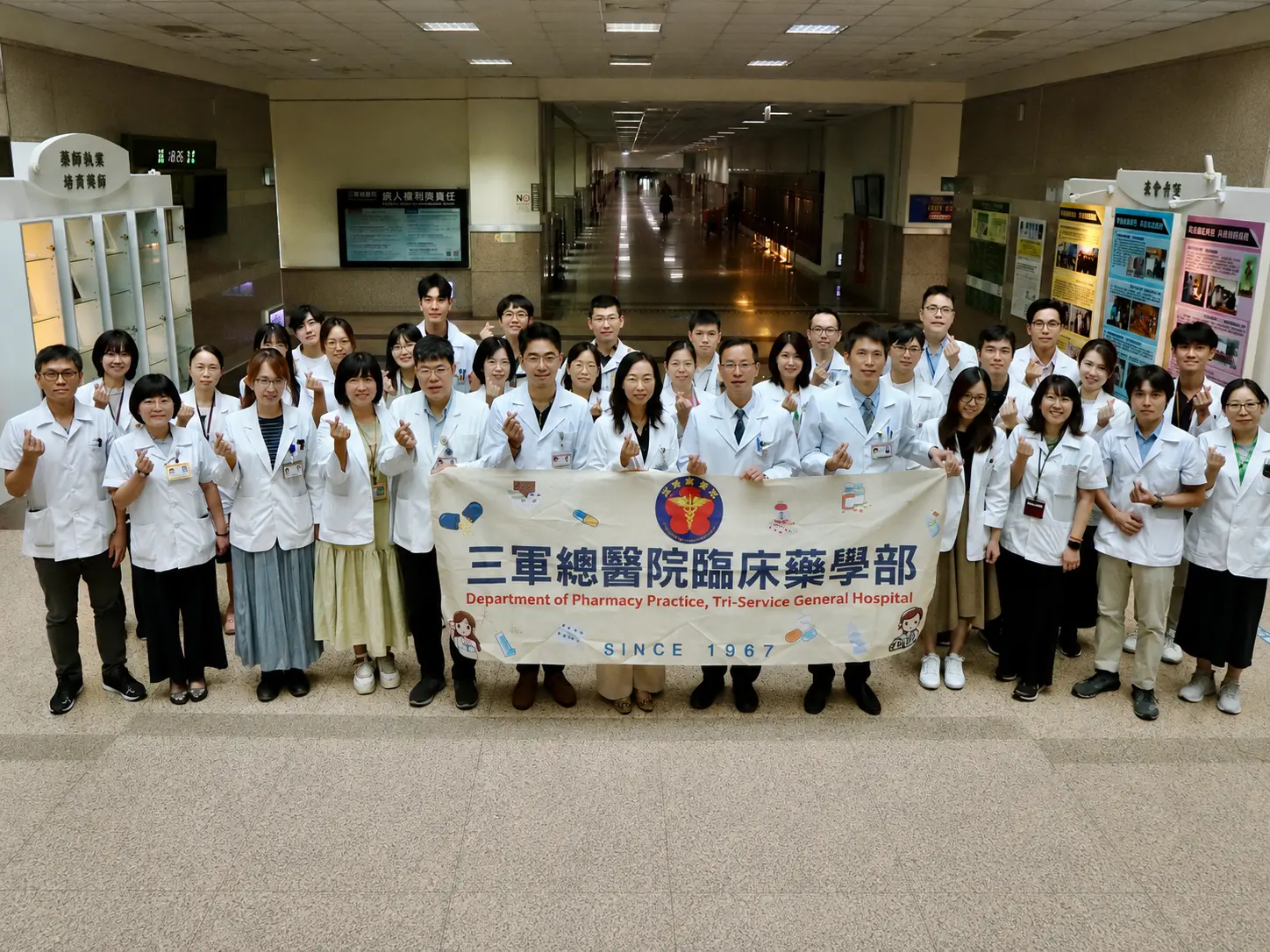
The Department of Pharmacy is committed to the principles of Pharmaceutical Care and a patient-oriented approach, ensuring safe, effective, and appropriate medication therapy. Through a smart pharmacy service model integrating intelligent dispensing, automated medication management, pharmaceutical care clinics, and clinical decision support systems, the department has established a comprehensive medication safety network covering prescription review, medication monitoring, adverse drug reaction reporting, patient education, and multidisciplinary care. Pharmacists actively participate in outpatient, inpatient, and critical care teams, providing medication therapy management, antimicrobial stewardship, and personalized pharmaceutical care. Through medication counseling, community outreach, and health education, the department promotes medication safety and health literacy. Moving forward, the department will continue to integrate artificial intelligence, smart healthcare, and digital health technologies to deliver precise, timely, and personalized pharmaceutical services, enhancing patient safety, healthcare quality, and the overall value of healthcare.
Medication Safety: Establish a comprehensive medication safety network through intelligent dispensing, prescription review, and medication monitoring to reduce medication-related risks.
Education and Training: Develop a structured pharmacist training and continuing education program.
Patient Assurance: Provide personalized medication counseling and health education.
Drug Safety: Strengthen medication quality control and promote appropriate medication use.
Quality Improvement: Apply quality indicators and PDCA cycles for continuous improvement.
Innovation and Research: Advance smart pharmacy services, digital health, and evidence-based research.
Team Collaboration: Promote multidisciplinary care to enhance patient safety and healthcare quality.
Prescription Volume: On weekdays, the average number of prescriptions is approximately 3,700–4,000 per day, with an average of 3.17 items per prescription. On Saturdays, the average number of prescriptions is approximately 1,200–1,400 per day, with an average of 3.41 items per prescription. Emergency Department Workload: Daily workload has increased: prescriptions +7.4%, medication bags +8.1%. Pharmacist Services: On average, pharmacists provide 700 judgment-based interventions, 1,067 medication guidance sessions, and 40 medication consultations per month. In 2025 (Year 114), 104 inhaler first-use education sessions were conducted, including 16 cases requiring follow-up. In 2025, support for medical missions and volunteer healthcare services included preparation of 284 items, totaling 66,814 medication units. Medication Consultations: From 2021 to April 2026, pharmacists answered a total of 9,964 medication-related consultation requests. Approximately 400 medication guidance handouts were produced and provided. Pharmaceutical Care Outpatient Clinic: From 2021 to April 2026 (Years 110–115), a total of 1,514 patients were served.
Pharmaceutical Care Outpatient Clinic
Follow-up Rates of Pre-ESRD Patients April–December 2022 (Year 111) Second visit follow-up rate: 13.3% (8/60) Third visit follow-up rate: 3.3% (2/60) 2023 (Year 112) Second visit follow-up rate: 41.7% (10/24) Third visit follow-up rate: 8.3% (2/24) 2024 (Year 113) Second visit follow-up rate: 55.6% (5/9) Third visit follow-up rate: 44.4% (4/9) 2025 (Year 114) Second visit follow-up rate: 28.3% (15/53) Third visit follow-up rate: 7.5% (4/53) Fourth visit follow-up rate: 7.5% (4/53) January–April 2026 (Year 115) Second visit follow-up rate: 26.3% (5/19) Third visit follow-up rate: 5.2% (1/19)
Physician Acceptance Rate of Pharmacists’ Prescription Recommendations 2023 (Year 112): 78.6% (11/14) 2024 (Year 113): 75.0% (3/4) 2025 (Year 114): 71.4% (10/14) January–April 2026 (Year 115): 50.0% (1/2)
Patient Acceptance Rate of Pharmacist Interventions 2023 (Year 112): 85.5% (241/282) 2024 (Year 113): 88.4% (61/69) 2025 (Year 114): 80.0% (130/163) January–April 2026 (Year 115): 75.5% (34/45)
Pharmacist Dispensing NEAR MISS: Since the system upgrade in 2019, more convenient data recording has been provided. Statistics show that dispensing errors decreased from an average of 837 cases per month in 2021 to 241 cases per month in 2026.
Dispensing Improvement Measures:Similar-sounding drug names differentiated with uppercase/lowercase letters, added Chinese characters, underlined drug names, and added storage location codes.Drug box labels clearly indicate different dosages and look/sound-alike drugs; high-alert medications are distinctly marked. Inpatient color-coded bags: Different colors used to distinguish drug forms. Since 2017, various pharmacies in the department have introduced automated dispensing cabinets and smart dispensing counters to enhance dispensing quality and maintain patient medication safety.
Adverse Drug Reaction Reporting: From 2021 to 2025, a total of 1,596 ADR cases were evaluated; 1,513 cases were confirmed. Of these, 62% were allergic reactions, 44% involved anti-infective drugs, 46% were skin-related reactions, and 69% were assessed as highly likely to be drug-related.
ADR Reporting Enhancement Measures:Collaborate with the Dermatology, Rheumatology & Immunology, Infectious Disease departments, and attending physicians to develop care plans for patients with severe dermatologic ADRs, enhancing patient medication safety. Create educational case materials to improve healthcare staff awareness and learning regarding drug adverse reactions.
Health Education Sessions in Outpatient Waiting Area: From 2025 to present, a total of 17 sessions were held, serving an average of 35 participants per session. These sessions effectively promoted patient medication safety and disease knowledge, and educated the public on proper disposal of unused medications, achieving a satisfaction rate of over 90%.
Inpatient Medication Delivery Satisfaction: From 2021 to the first half of 2026, the average satisfaction rate was 84.7%.
Pharmaceutical Care Outpatient Clinic – Patient Satisfaction with Pharmacists’ Services: 2021: 303 questionnaires – Very satisfied: 93.4%, Satisfied: 6.6%
2022: 134 questionnaires – Very satisfied: 92.5%, Satisfied: 7.5%
2023: 121 questionnaires – Very satisfied: 99%, Satisfied: 1%
2024 : 26 questionnaires – Very satisfied: 100%
2025 : 74 questionnaires – Very satisfied: 89%, Satisfied: 11% January–April
2026 : 32 questionnaires – Very satisfied: 97%, Satisfied: 3%
In 2021, National Healthcare Quality Award (Thematic Category – Topic Improvement Group): Enhancing the Completion Rate of Critical and Emergency Medication Continuity – Potential Award.
In 2022, the hospital received SNQ recognition for the Medical Services Group – Department of Clinical Pharmacy, Chinese Medicine Pharmacy – Qingguan formula technology transfer.
In 2023, awarded the National Healthcare Quality Award – Diamond Award for Outstanding Medical Service for collaborative care of COVID-19 with integrated Chinese and Western medicine and development of Qingguan No.1, by the Department of Chinese Medicine & Chinese Medicine Pharmacy.
In 2024, won the Gold Award at the 47th National Quality Circle Competition.
In 2025, won the Gold Award at the ICQCC International Quality Circle Competition.
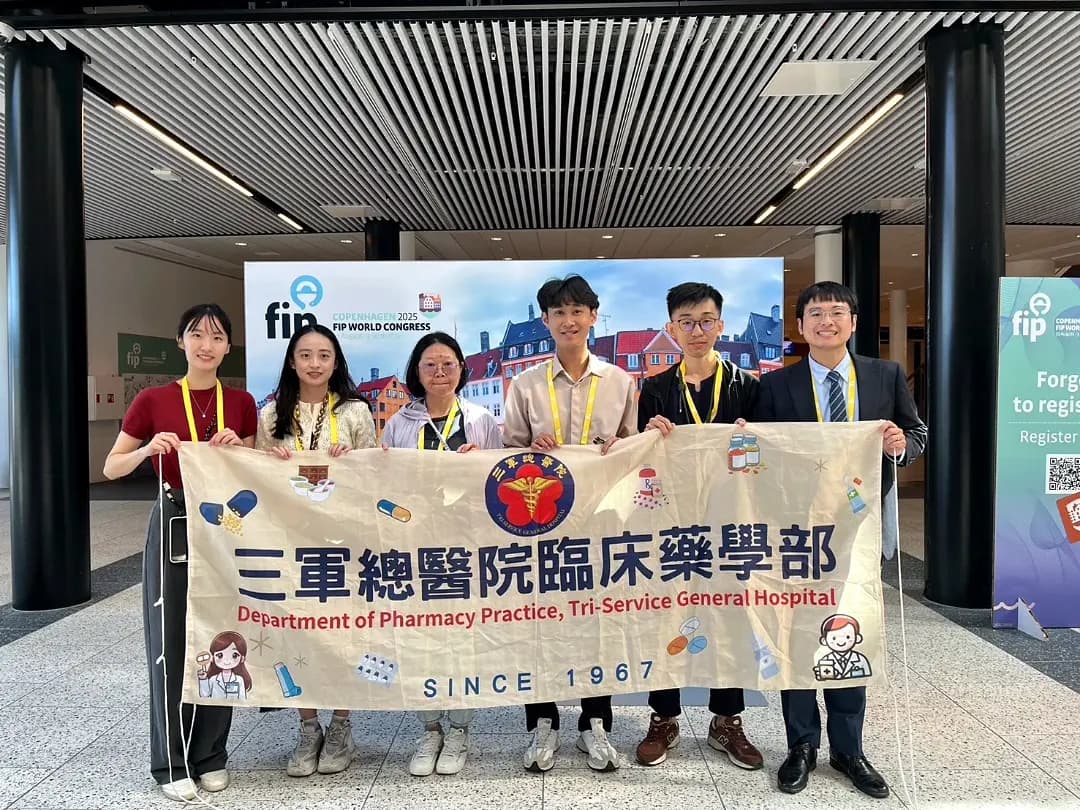
Four SCI-indexed journal articles were published in 2025, with Impact Factors (IF) of: 3.4 (Ranked in the top 27.4% of the Clinical Neurology category) 4.6 (Ranked in the top 11.3% of the Urology & Nephrology category) 3.8 (Ranked in the top 32.6% of the Food Science category) 4.7 (Ranked in the top 15.3% of the Pharmacology & Pharmacy category) Participation in the International Pharmaceutical Federation (FIP) Congress, Denmark, 2025: One oral presentation and one poster presentation. Participation in the International Society for Pharmacoepidemiology (ISPE) Annual Meeting, USA, 2025: One oral presentation.
In 2026, passed HIMSS evaluation.
From 2021 to 2026, the total approved funding for research projects applied for by the Pharmacy Department amounted to NT$31,025,071.
In 2025, pharmacists provided 8,406 judgment-based interventions, effectively intercepting potential medication errors and enhancing patient medication safety. Waiting time improvements: Reduced by 2.3 minutes on weekdays and 6.4 minutes on Saturdays, improving patient satisfaction and overall healthcare experience.