SNQ Quality Mark

SNQ is built on evidence-based standards, setting trusted quality and safety benchmarks for healthcare, biomedical, health, and animal care services and products.

  • 9F, No. 508, Sec. 7, Zhongxiao E. Rd., Nangang Dist., Taipei City, Taiwan
  • +886 2 2655 7888
  • snq@snq.com.tw

About the National Quality Mark

  • Vision & Mission
  • Review Committee
  • Certification Schedule

Certification Methods

  • Medical Service
  • Biomedical Product
  • Health Product
  • Animal Care & Products

SNQ Certified

  • Certified Services & Products
  • Certified Organizations
  • Quality Award Winners

International Certification

  • ICHOM PROMs
  • NSF Certification

Quality Focus

  • Apply for Certification →
Organized by|Research Center for Biotechnology and Medicine PolicyOperated by|Kuanglu International Quality Standards Co., Ltd.© 2026 Kuanglu International Quality Standards Co., Ltd. All rights reserved.Privacy Policy
SNQ Quality Mark
繁中
/
EN

Target Population

  • Hospitalized or emergency department patients

  • All ward patients

  • High-risk mortality patients

  • Rural area residents (88 service points)


Description

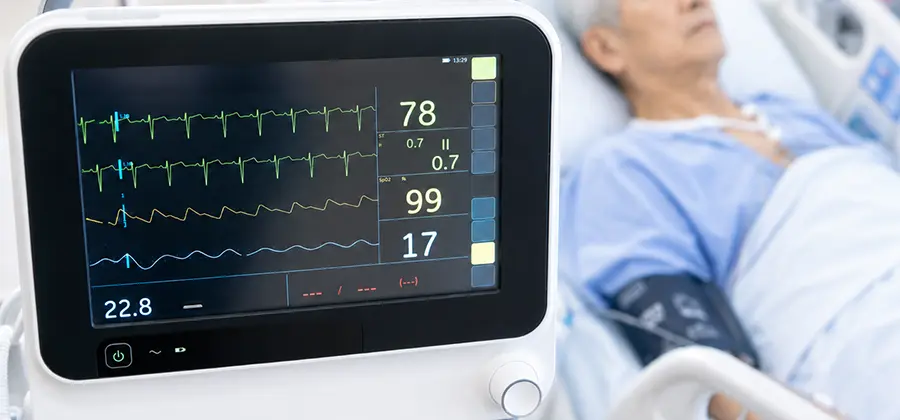
Developed a proprietary AI-enabled electrocardiographic (ECG) mortality prediction model integrated with clinical trial validation. The AI alert system predicts patient mortality risk within 90 days, enabling physicians to perform early intervention and intensive care, demonstrating significant improvement in patient survival rates.


Key Highlights

  • AI-ECG accuracy of 0.93-0.96, superior to international standards

  • World's first clinical trial validating AI-ECG mortality reduction

  • Overall mortality reduction of 17%, high-risk patient mortality reduction of 31%

  • Cardiac mortality reduction of 93%

  • Cost-effectiveness of 99.6%

  • Approved by Taiwan FDA as medical device

  • Published in Nature Medicine with impact factor 58.7

Service Data

  • Clinical trial sample: 16,335 patients (AI alert intervention group 8,177, routine care group 8,158)

  • High mortality risk patients: 709 (8.9%)

  • Rural area ECG interpretation volume: over 29,000 cases

  • Hospital coverage: 415 attending physicians, 1,949 nurses, 780 administrative staff, 707 other healthcare professionals, 776 physicians


Featured Outcomes

  • All-cause mortality reduction of 17% within 90 days

  • High-risk patient mortality reduction of 31%

  • Cardiac mortality reduction of 93%

  • Non-cardiac mortality reduction of 24%

  • Increased ICU admission rate, antiarrhythmic drug use, echocardiography rate with physician intervention

  • AI prediction accuracy: internal validation 0.93-0.96, external validation 0.88

  • Can detect 29 acute and chronic cardiovascular diseases, interpret 24 arrhythmia conditions


Safety Outcomes

  • AI mortality risk prediction accuracy of 99%

  • Randomized clinical trial design ensures scientific rigor

  • Dual validation mechanism with internal data validation and external data verification

  • Approved by Taiwan FDA as medical device

  • Regular monitoring of AI model accuracy indicators by team


Satisfaction

  • High physician acceptance of AI alert system as clinical reference

  • Early prognostic notification improves clinical decision-making confidence

  • Multiple medical centers actively adopting the system (Fuhsing Hospital, Far Eastern Memorial Hospital, etc.)


International Achievements

  • Published in Nature Medicine (impact factor 58.7, ranked first in medical research, out of 189 journals)

  • Published over 30 SCI international papers

  • Recognized and reported by American Heart Association

  • International multi-center validation collaboration: Cedars-Sinai Medical Center Los Angeles, Mount Sinai Center New York, Seoul National University Hospital, Oxford University Hospital

  • 2022 Future Technology Award

  • 2023 Taipei Biotech Award - Cross-domain Excellence Category Gold Award

  • 2023 MediaTek Smart Hometown Competition Excellent Award


Benefits and Impacts

  • Cost-effectiveness analysis of 5000 cases: 99.6% probability of cost-effectiveness with AI-ECG intervention

  • Reduces in-hospital cardiovascular mortality events

  • Improves patient outcomes, enables early detection of potential cardiac diseases

  • Enhances physician clinical decision support

  • Advances Taiwan's smart healthcare development

  • Benchmark learning and multi-center verification domestically and internationally

  • Technology transfer collaboration with Quanta Services in 2023
  1. Home
  2. SNQ Certified
  3. Certified Services & Products
  4. Hospital
Specialized Medical ServicesNational Biotechnology and Medicine Care Quality Award: 2024 silver

AI-ECG Reducing Mortality

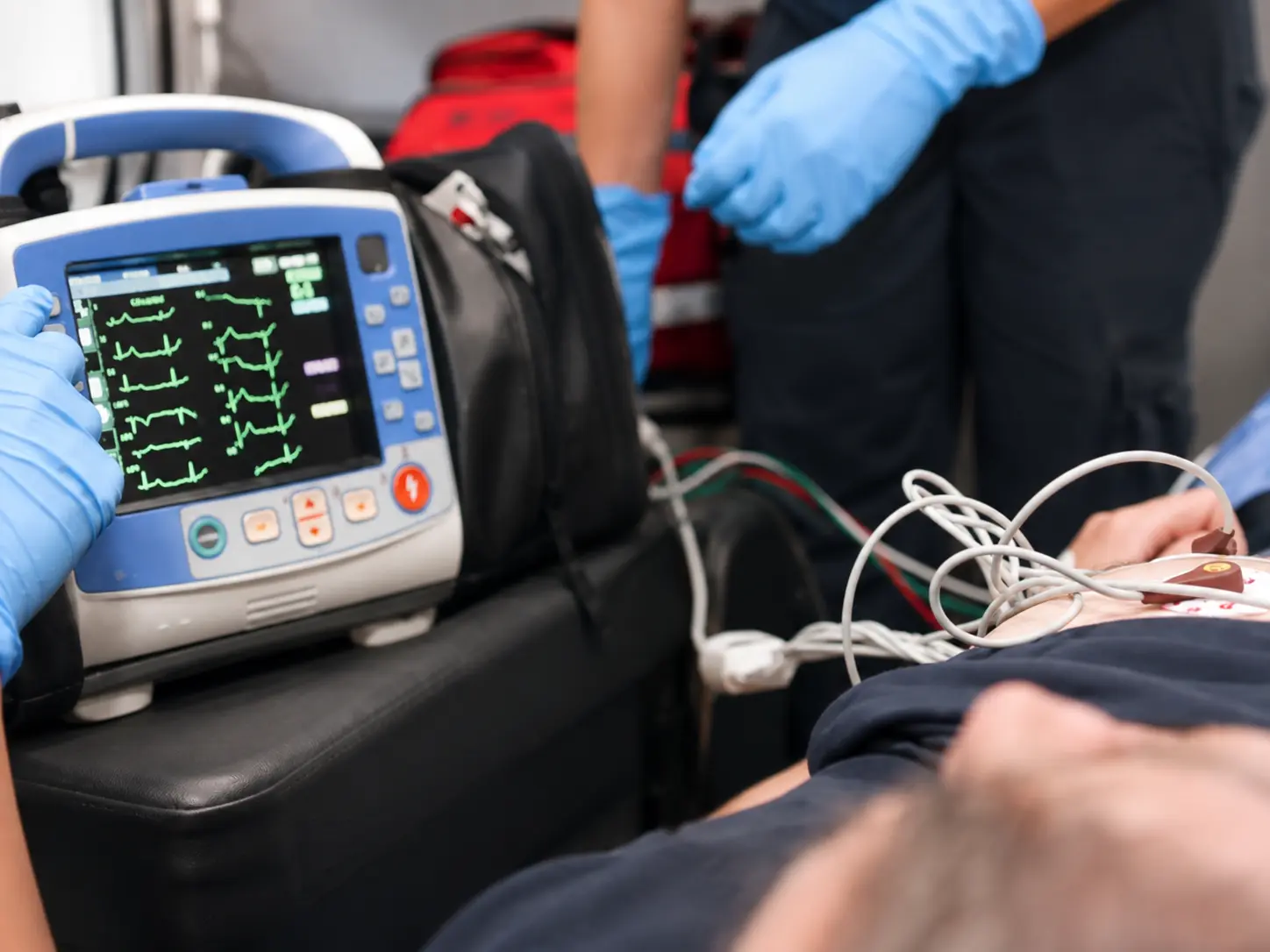
ARISE with AI-ECG: Triservice General Hospital's model detects >50 cardiac conditions in a single test and has been proven to reduce mortality in the ARISE trial published in "Nature Medicine".
Organization
Tri-Service General Hospital
Specialties/Units
Department of Cardiology
AI-ECG Reducing Mortality

Related Insights

90-Day Mortality Down 31% for High-Risk Patients: How a Tri-Service General Hospital Team Used AI Alerts to Save Lives
Tri-Service General Hospital uses AI-read ECGs to flag patients at high risk of death and alerts their physicians by text; a randomised trial of 15,965 patients showed overall mortality risk falling 17%.
Adopting AI Is Not the Same as Improving Quality: David Bates on What Comes Next for Safety
Harvard Medical School professor David W. Bates: hospitals need to choose applications carefully, confirm a tool works in their own setting, and keep monitoring its performance after go-live.
Tri-Service General Hospital

Other Certified Items

Pharmacy Practice for Patient Safety
Tri-Service General Hospital
>1,500
>90
Seamless integrated service: from discharge planning to home care
Tri-Service General Hospital
8,000
67.6
ARDS-Prone Care
Tri-Service General Hospital
85.5
0
Hypokalemia Precision Medicine: From Clinic to Genetics and Artificial  Intelligence
Tri-Service General Hospital
<60
<1
3E-JOINT nursing care model based on enhanced recovery after surgery (ERAS) in patients undergoing total joint replacement surgery
Tri-Service General Hospital
1.1
1.3
A Novel Navigation in Medical Education Makes Physician-scientists
Tri-Service General Hospital
5
10
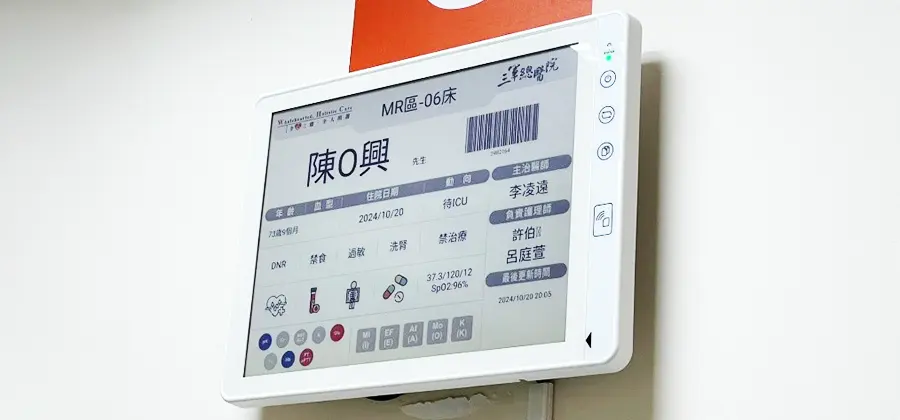
AI E-Paper Emergency Care
Tri-Service General Hospital
1.85
90
Joint Medical Supply Systematization
Tri-Service General Hospital
13.2
96
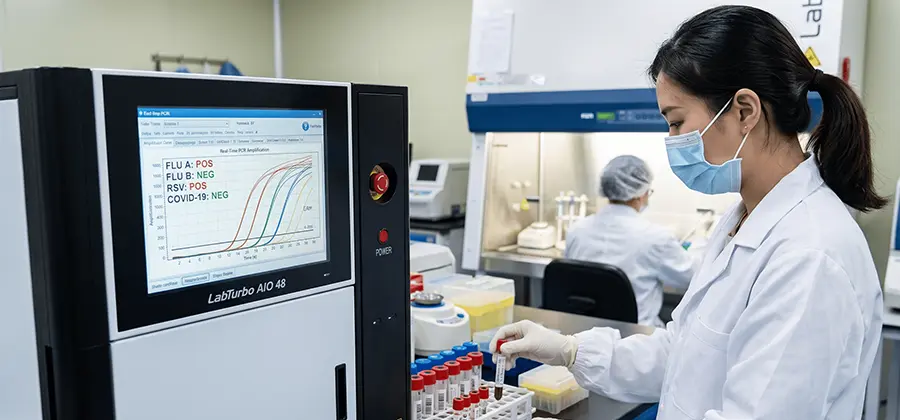
Precision Multipathogen Testing
Tri-Service General Hospital
95
<2
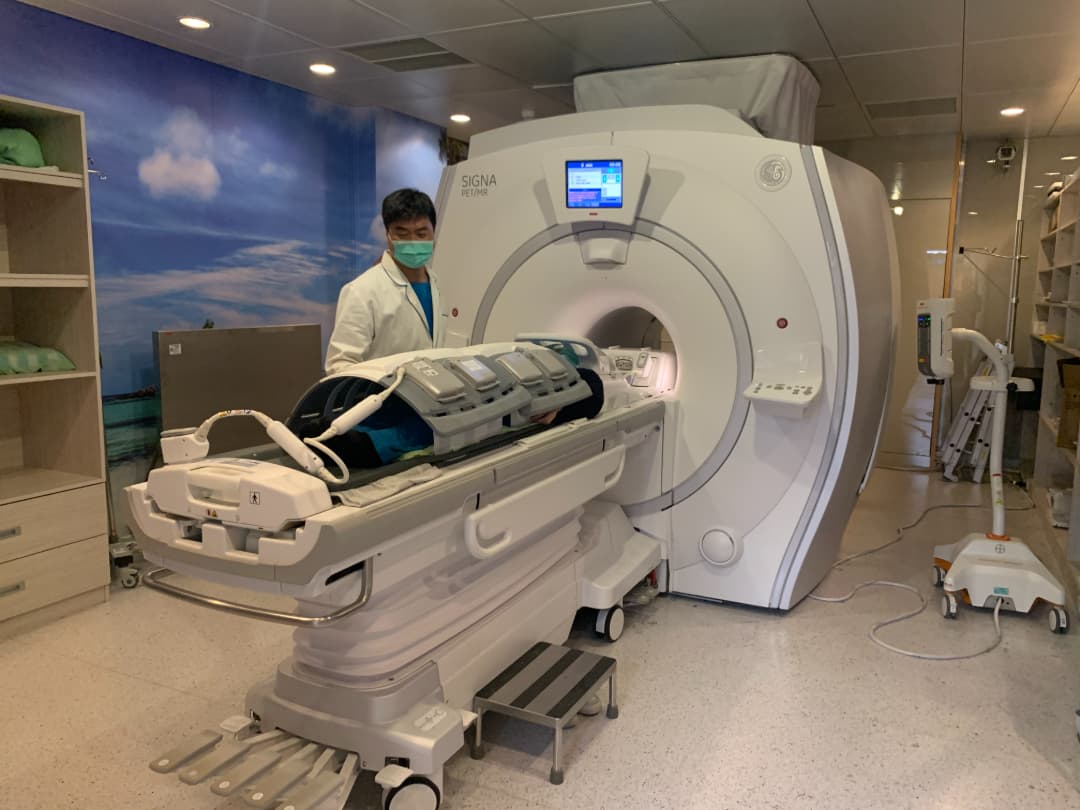
PET-MR Diagnosis for Failed Back Surgery Pain
Tri-Service General Hospital
85
0
Pharmacy Practice for Patient Safety
Tri-Service General Hospital
>1,500
>90
Seamless integrated service: from discharge planning to home care
Tri-Service General Hospital
8,000
67.6