Inpatients and outpatients of Tri-Service General Hospital
Community disabled elderly (mobility-impaired, multiple chronic diseases)
Home nursing patients (with indwelling tubes)
Patients requiring long-term care resources post-discharge
Families and primary caregivers
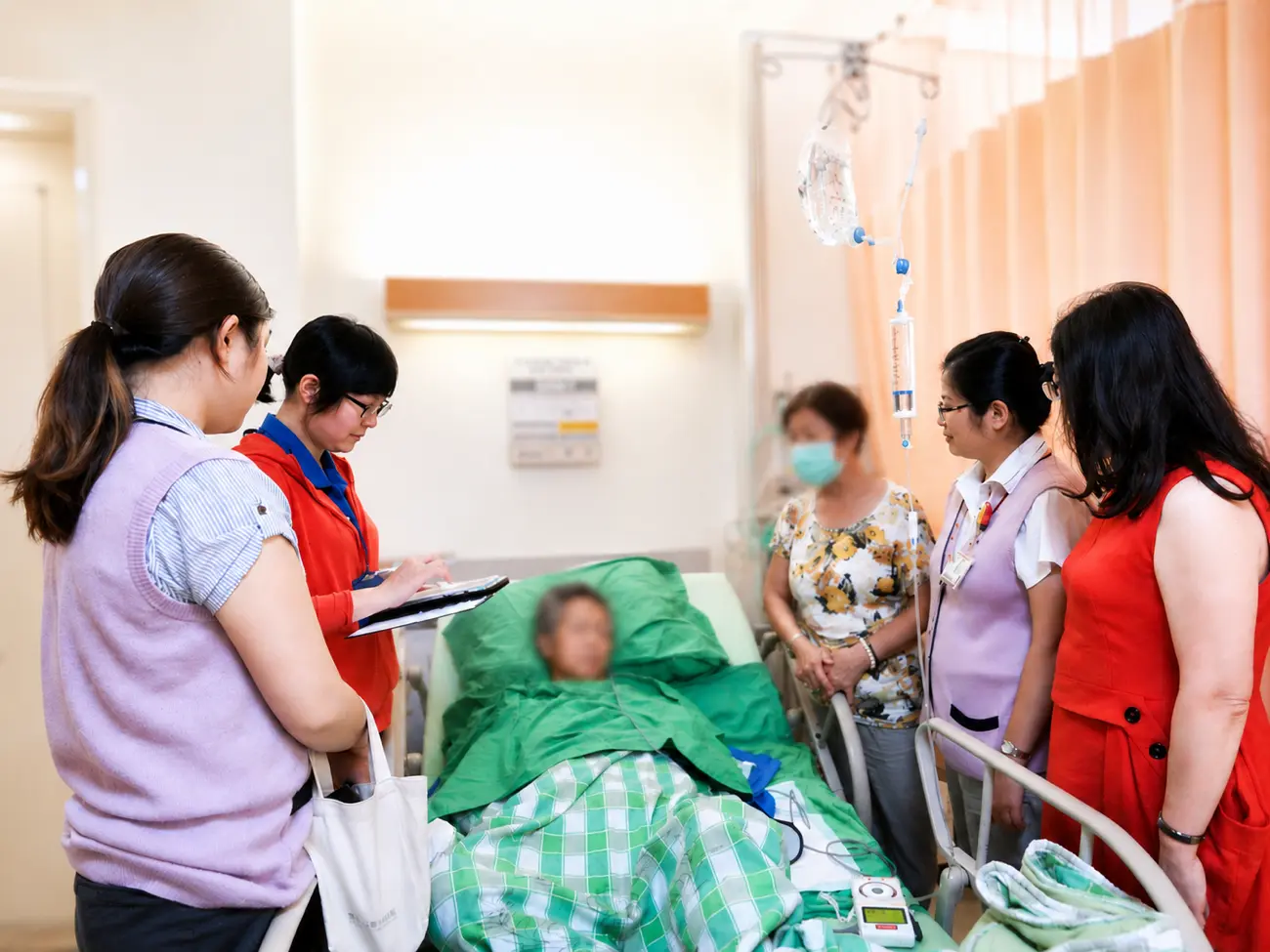
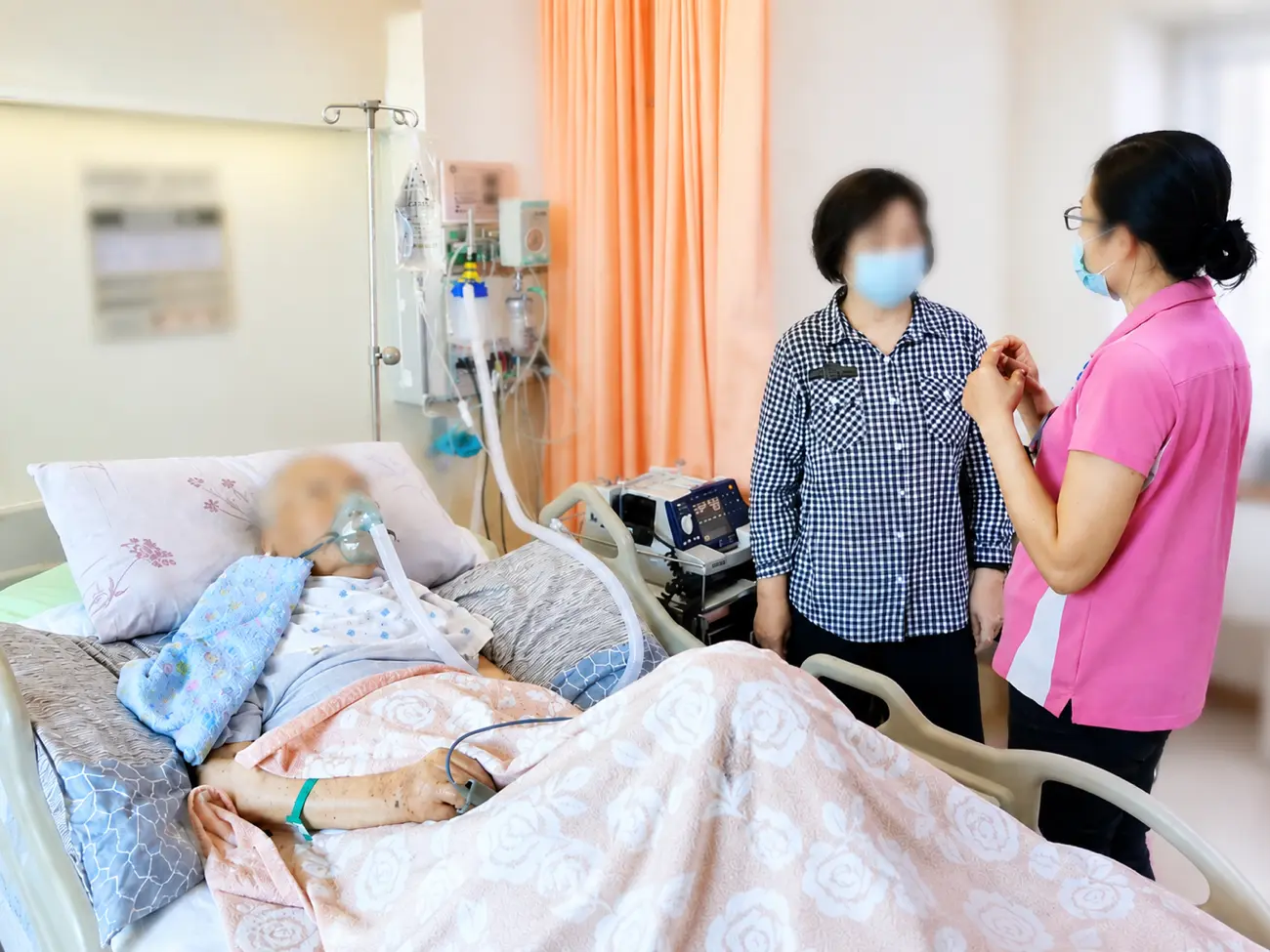
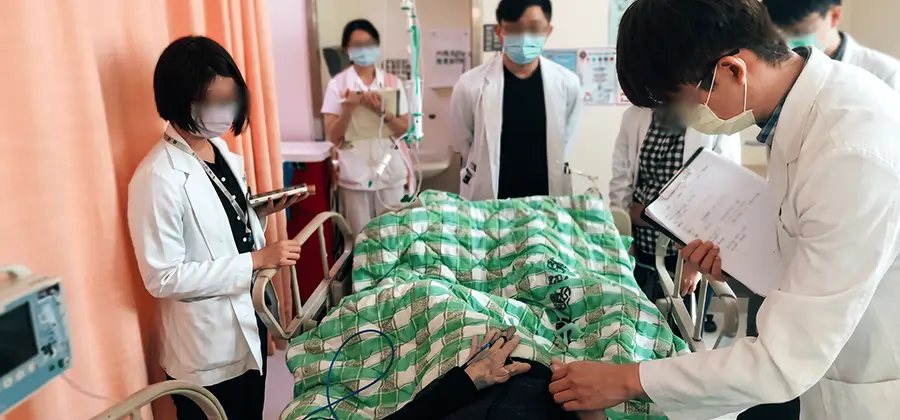
Tri-Service General Hospital's Community Nursing Center delivers the 'Seamless Integrated Service' model from discharge planning to home care. Established in 1979 as Taiwan's first home nursing station (for the nation's first heart transplant patient), it has evolved into the only medical-center-level home nursing service in the military hospital system, aiming to be the 'national benchmark for medical-center home nursing.' Services include: discharge planning (24-hour-within-admission assessment, proactive intervention for 10-15% of inpatients), seamless transition (1-3 day home visits post-discharge, 14-21 day LTC linkage), multidisciplinary teamwork (physicians, nurses, pharmacists, social workers, PT/OT), real-time Line messaging intervention, evidence-based oral care standardization (100% coverage), and integration of 12 LTC and community resources. Individual oral care coverage: 100%; continuous improvement of CAUTI rates; ISQUA poster presentation in London (2017).
Taiwan's first home nursing for heart transplant patient (established 1979)
24-hour within-admission assessment; proactive intervention for 10-15% of inpatients
Seamless 4-stage transition (discharge → home → LTC ABC → social welfare)
Real-time Line messaging group for timely problem-solving
Integrated oral care coverage for home nursing patients: 100%
Integration of 12 LTC and community resources (home medical, meal services)
91% of staff with ≥2 years experience; average 15.5 years
64% bachelor degree or above; 100% RN licensed (N=11)
Discharge planning: proactive intervention for 10-15% of inpatients
Home nursing: 1-3 days post-discharge for initial visit
12 integrated LTC and community resources
Home nursing integrated oral care coverage: 100%
In-home CAUTI rate: continuously improved 2014–2017
Discharge planning referral to post-acute care (PAC) outcomes
Community satisfaction: consistently high
2017 hospital-wide quality circle presentation
In-home CAUTI rate: continuous annual improvement 2014–2017 (below national benchmark)
Annual quality monitoring plan: regular indicator tracking and improvement
Discharge planning: proactive screening (assessment criteria revised in 2014)
Evidence-based oral care: education reinforces behavior; knowledge, attitude, and practice improved
Community satisfaction: consistently high
Integrated health education reduced anxiety and depression in home heart failure patients
Media interviews for elderly care promotion
Positive family feedback on individualized nursing education
October 2017: ISQUA poster presentation, London, UK
JCHA and national quality circle improvement competitions
Oral care research: education reinforces practice for institutional and home patients
Home heart failure patient integrated education research publication
Established Taiwan military healthcare system's first medical-center-level home nursing benchmark
Seamless discharge → home → LTC integration model replicable
Improved discharged patients' self-care capacity and reduced readmission
Integration of 12 community resources enabling aging in place
Evidence-based oral care extended to community and institutional settings (100% coverage)