Patients with hypokalemia & electrolyte abnormalities
Inherited tubulopathies (Gitelman, Bartter, etc.)
ER patients with thyrotoxic hypokalemic paralysis
Chronic hypokalemia follow-up cases
Recurrent undiagnosed hypokalemia patients
Domestic/intl nephrology trainees
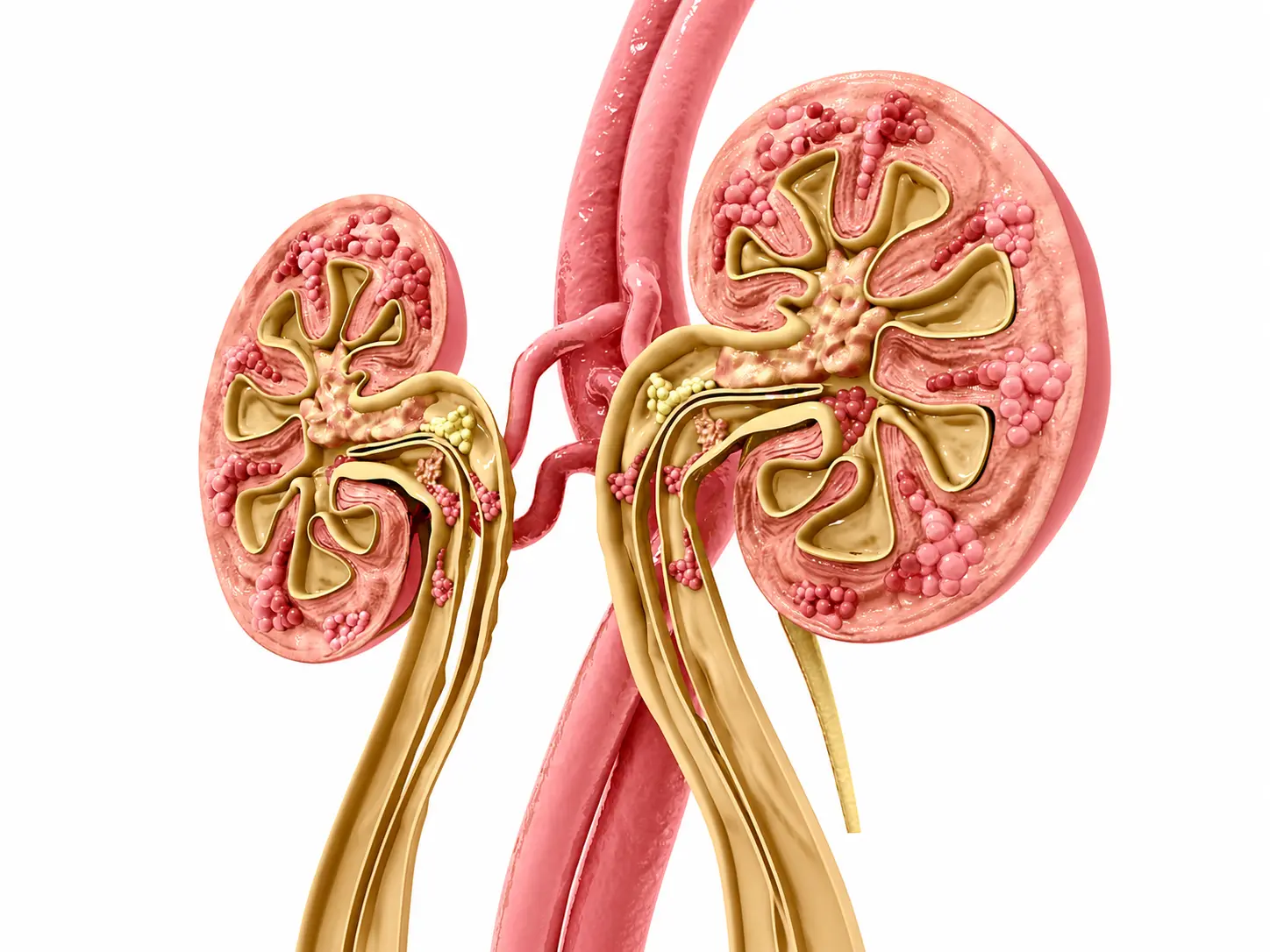
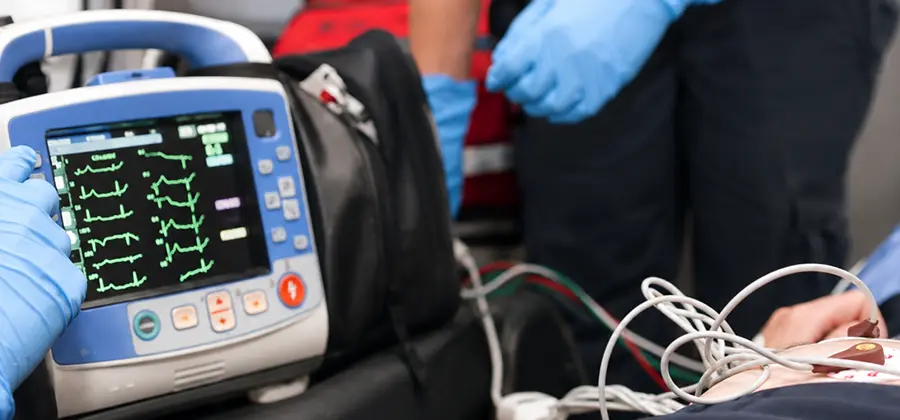
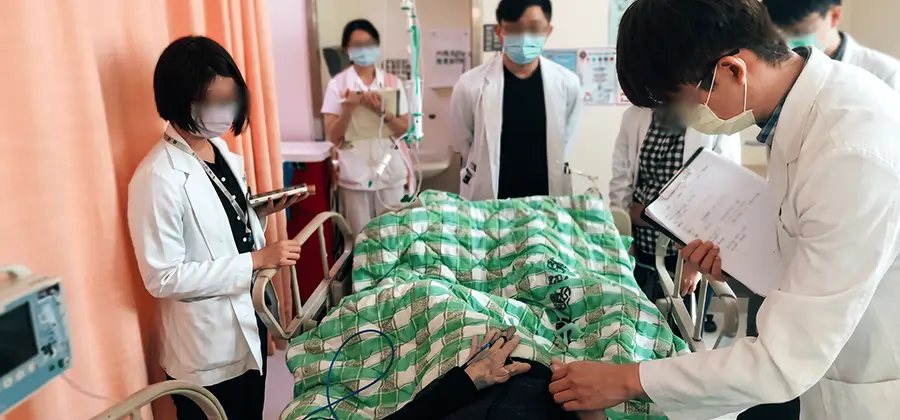
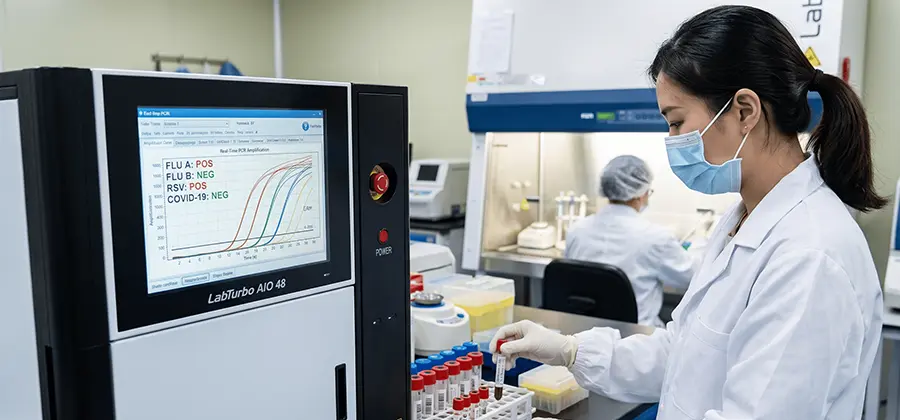
Tri-Service General Hospital's Nephrology built the "World Innovation Hypokalemia Team," integrating nephrologists, ER, nursing, genetics lab, and transgenic mouse platform. Traditional hypokalemia diagnosis requires 24-hour urine collection, weeks-months, and repeated invasive blood draws; this team's "spot urine biochemistry rapid analysis" diagnoses etiology within 60 minutes, preventing rebound hyperkalemia and worsening paralysis. For Taiwan's common inherited Gitelman syndrome (SLC12A3 mutation, carrier rate 1-4%), the world-first 22-hotspot screening panel produces genotypes in 4 hours. Multiple transgenic mouse models established: NCC (Gitelman), NBC (renal tubular acidosis), KLHL3 (pseudohypoaldosteronism), Maged2 (X-linked Bartter). Dr. Chin Lin's team developed an AI-EKG (CNN) model that non-invasively predicts serum potassium in 10 seconds, with AUROC surpassing Mayo Clinic and others. The team leads worldwide in hypokalemia publications (91 papers, 3,043 total citations, 33.44 avg/paper); spot urine biochemistry is now in textbooks and global guidelines. Featured on Discovery "Taiwan's Amazing" series; invited to 2022 World Congress of Nephrology.
Spot urine biochem diagnosis in 60 min
World-first 22-hotspot Gitelman panel
Genotyping in 4 hours
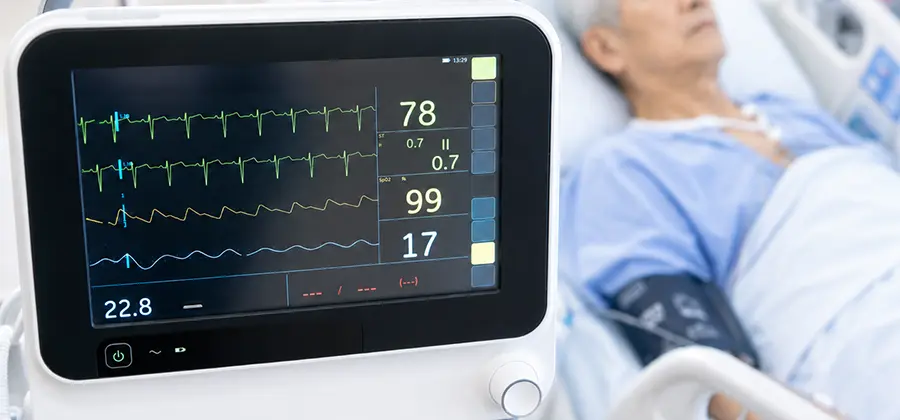
AI-EKG CNN potassium prediction (10 sec, noninvasive)
5 transgenic mouse models of tubulopathies
Global guidelines adopt our diagnostic flow
91 hypokalemia papers (world #1)
3,043 total citations
Avg 33.44 citations/paper
AI-EKG trained on 40,180 patients
Supported domestic genetics labs
2022 World Congress of Nephrology speaker
AI-EKG high-K specificity 96%, NPV 98.5%
Low-K specificity 81.6%, NPV 85.0%
Outperforms Wu/Tzeng/Galloway prior studies
Gitelman panel done in 4 hours
Spot urine K/Na/Cl differential diagnosis
Npj Digital Med (IF 11.665) accepted
Faster diagnosis prevents treatment errors
Reduces rebound hyperkalemia risk
Reduces invasive blood draws
Non-invasive AI-EKG arrhythmia monitoring
Precision personalized treatment standard
Genetics-therapy roadmap for tubulopathies
Non-invasive rapid screening of hyperkalemia
Physicians endorse AI-EKG assistance
High patient satisfaction with precision dx
Discovery "Amazing Taiwan" feature
Media praise & wide outreach
Hospital-wide adoption; spread to other hospitals
91 hypokalemia papers (world #1)
NPJ Genom Med (Gitelman panel)
Npj Digital Med (IF 11.665) AI-EKG
Human Mutation/JASN/FASEB/NEJM journals
Invited speaker, 2022 World Congress of Nephrology
Russia Science Foundation collaboration
Spot urine flow now in global guidelines
Adopted by multiple domestic medical centers
Advanced training for domestic nephrologists
Toward gene therapy for precision medicine
Established NGS for kidney multi-gene tests
Discovery Channel feature recognition