Emergency department patients
Emergency healthcare staff
Patients’ family members
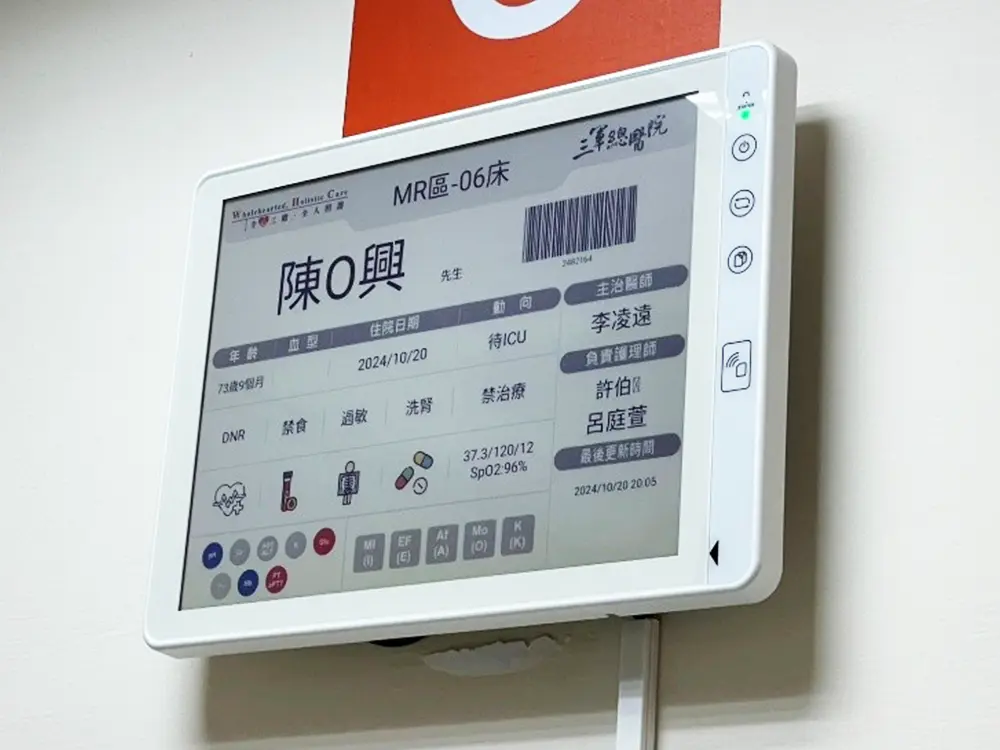
Our hospital pioneered the integration of emergency department e-paper bedside cards with the expertise of our in-house Artificial Intelligence Laboratory, enabling AI-driven medical applications to be fully implemented within the e-paper display system. By consolidating key patient information, examination progress, and AI-based high-risk alerts in real time, the system assists clinical teams in rapidly identifying critical conditions, potential etiologies, and essential decision-making information, thereby gaining valuable treatment time for emergency and critically ill patients.
The e-paper bedside cards visually present personalized care information, allowing patients and their family members to promptly understand the current status of care and improving communication efficiency in the emergency department. In addition, the e-paper displays are low-power and reusable, effectively reducing paper consumption, manual workload, and the risk of operational errors. The system has been fully implemented in emergency clinical practice, integrating e-paper technology, artificial intelligence, and information systems to demonstrate the practical application of “smart emergency care and green healthcare,” while providing scalable clinical experience that supports healthcare sustainability and global carbon-reduction goals.
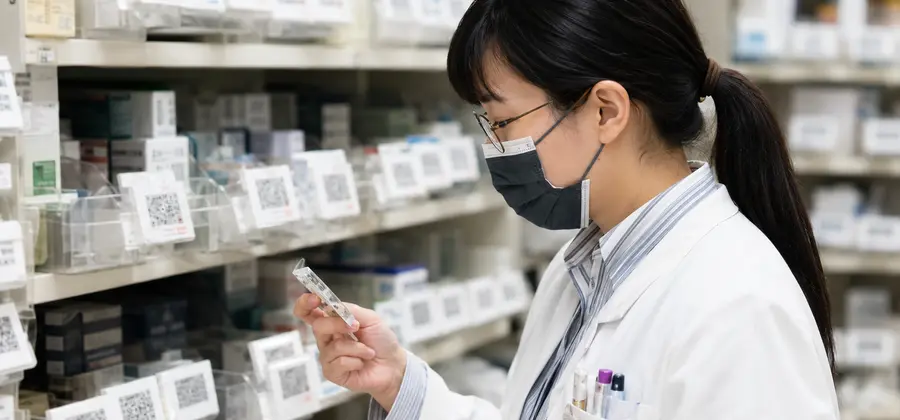
Pioneered the implementation of e-paper bedside cards in ED treatment areas, integrating HIS, NIS, LIS, and PACS for real-time visualization.
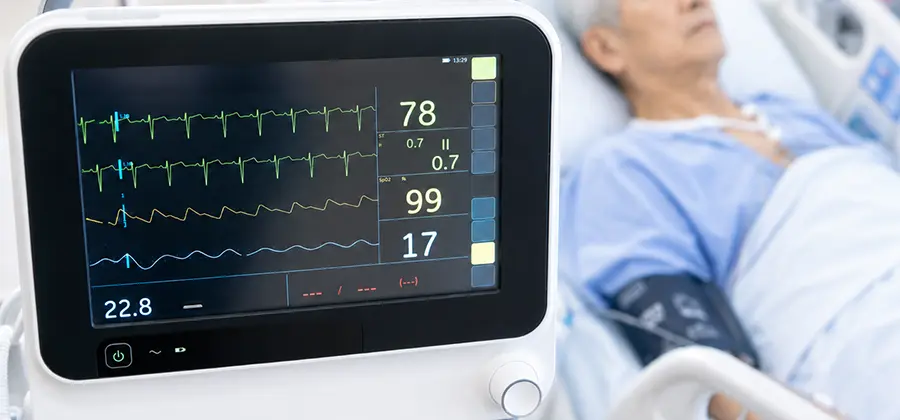
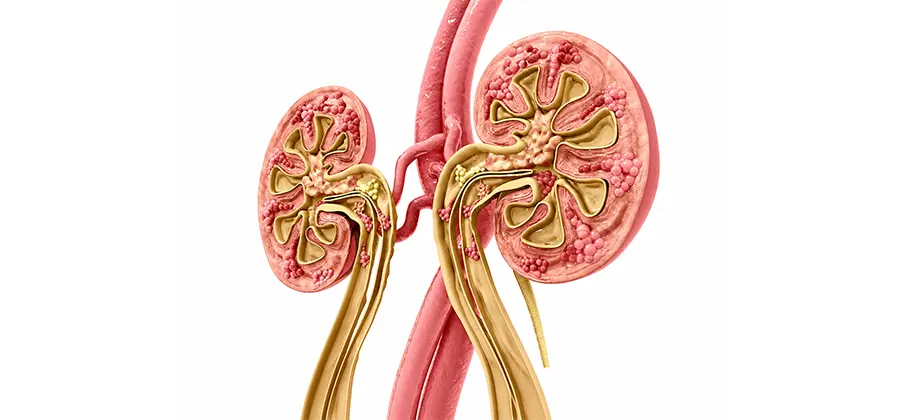
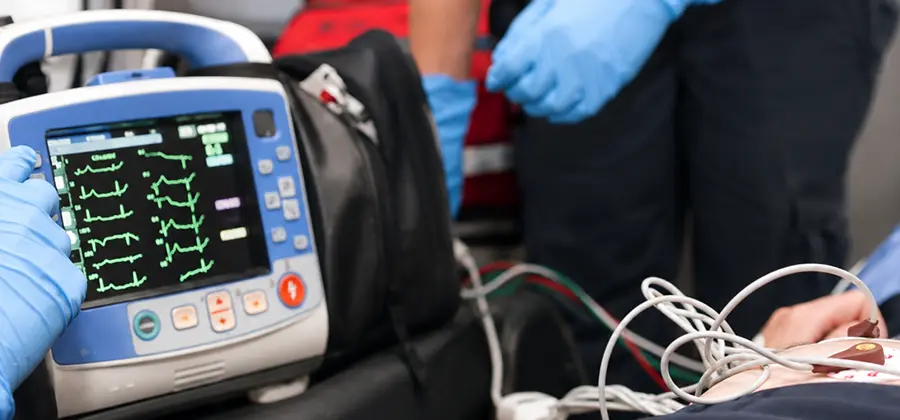
Embedded in-house AI models to provide real-time high-risk alerts (e.g., ECG abnormalities, hyperkalemia) for clinical decision support.
Low-power, reusable e-paper displays replace paper-based cards, improving workflow efficiency and reducing operational errors.
45 e-paper bedside cards installed, covering 100% of beds in ED treatment areas
E-paper foot-end displays covering 100% of ED beds
System serving approximately 8,500 ED visits per month
Patient locating time reduced by ~25%
~20% reduction in patient-initiated inquiries
9.6% increase in early observation transfer
AI-enabled real-time risk alerts
Reduced STEMI and hyperkalemia response time
73% staff reported improved care safety
70% of staff reported the system is intuitive and easy to use
100% of physicians and 63.3% of nurses reported workflow benefits
Patient satisfaction exceeded 60%
AI ECG models published in international journals
Smart emergency department system designed for cross-institutional deployment
Clinical workflow outcomes applicable for international reference
Enhanced information transparency and clinical decision efficiency, improving overall emergency care quality.
Established a replicable smart emergency workflow to support digital healthcare transformation.
Reduced paper use and manual workload through low-power e-paper applications, supporting healthcare sustainability.