Construction and management of a safe ED environment using information system
The emergency department (ED) population is growing, with disease patterns becoming increasingly diverse and complex. Due to rapid population aging, the proportion of elderly patients in the ED is also rising, driving a continuous surge in both the quality and quantity of emergency medical demand.Beyond population growth and aging, this increase is also driven by changes in the medical payment system and citizens' healthcare-seeking habits, leading to widespread ED overcrowding across domestic medical centers.Ensuring patient safety in such an overcrowded environment is an critical issue. Therefore, since 2005, the Department of Emergency Medicine has promoted "The Use of Information Management Framework for a Safe Emergency Medical Environment." Over the past five years, the "Informationized Triage Assessment System," "Bar-Code Patient Identification System," and "Emergency Education Information Management System" have been implemented sequentially. The "Emergency Paperless Electronic Medical Record (EMR) System" is also nearing completion, making it the nation's first ED to adopt electronic medical records.
Computer-Aided Triage (TTAS-5)
5-level triage via TTAS.
Published 15 papers.
DOH national standard.
>100 hospitals used.
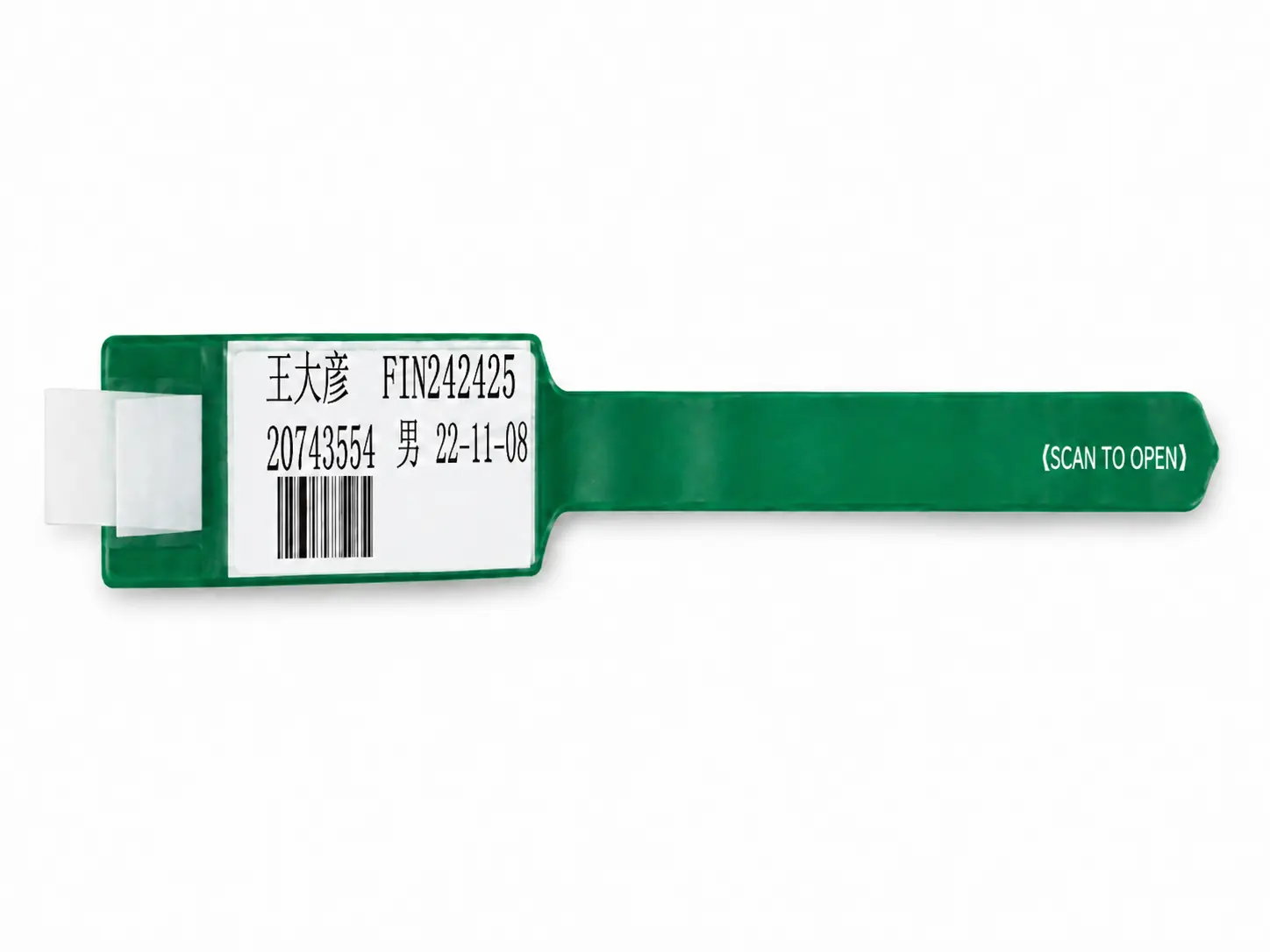
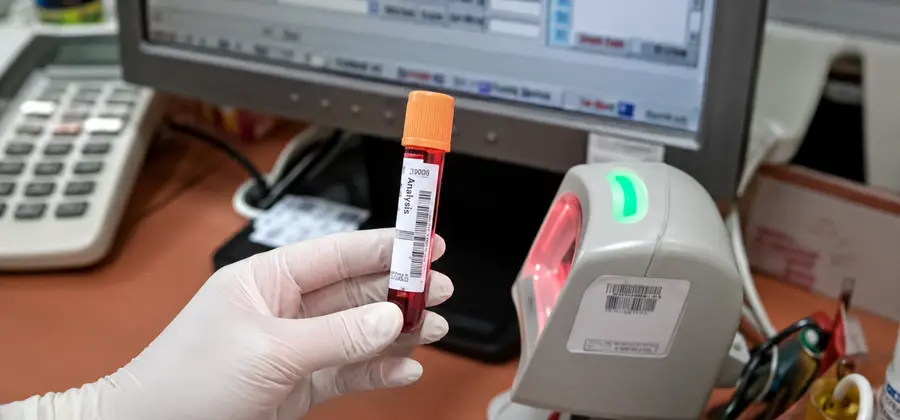
Bar-Code Patient ID System
100% accuracy in ID, orders, and meds.
Saved 13 mins in order processing.
Cut 2.45 mins work time/person.
Med satisfaction rose: 77.8% to 98.4%.
Emergency Education Info System
Tracked records via IT system.
13 straight-A PGY awards (2009).
>93% trainee satisfaction.
Pre/post-tests managed outcomes.
E-portfolio of Learning Progress
Published 66 SOPs into a book.
Digitized and integrated with software.
Provided clinical & workflow tools.
Emergency EMR
Completed hardware/software setup.
National 1st in EMR digital signature.
Achieved 100% paperless clinical process.
Monthly avg: 41,830 visits
Daily avg: 1,394 visits
Hourly avg: 58 visits
Avg 1 patient per minute
Accounts for ~9% of national ED visits
Patient ID & Test Accuracy 100%
Medication Order Accuracy 100%
Patient ID & Test Accuracy 100%
Medication Order Accuracy 100%
By expanding the bar-coded medication administration system, oral medication accuracy improved from 75% to 100%. Patient satisfaction with oral drug delivery rose from 77.8% to 98.4%. This significantly enhanced patient medication safety and boosted satisfaction among patients and families regarding oral administration.
A safe emergency medical environment begins with computerized triage (TTAS-5) and continuous bar-code patient ID verification for all orders to ensure patient safety. Simultaneously, the IT training system ensures teaching quality by executing orders only after attending physicians verify trainee inputs. Finally, the nation-first Emergency EMR records the entire clinical journey. Despite AHRQ's reported challenges in integration, Taiwan combined IT and medicine to build this system and publish 66 SOPs within five years. International experts praise this innovation as a world-class milestone that surpasses US and Canadian standards.