Severe cutaneous adverse reactions (SCAR), including carbamazepine-induced SCAR, Allopurinol-induced SCAR, etc.
Commissioned diagnostic/screening services for national medical centers
Established in 2003, our Drug Hypersensitivity Research Team is a leading center for the prevention, diagnosis, treatment, and research of adverse drug reactions and severe cutaneous adverse reactions (SCARs).
Founded Taiwan’s first Drug Hypersensitivity Clinical and Research Center in 2010, creating a multidisciplinary care model that integrates dermatology, allergy and immunology, infectious diseases, critical care, pharmacy, and laboratory medicine.
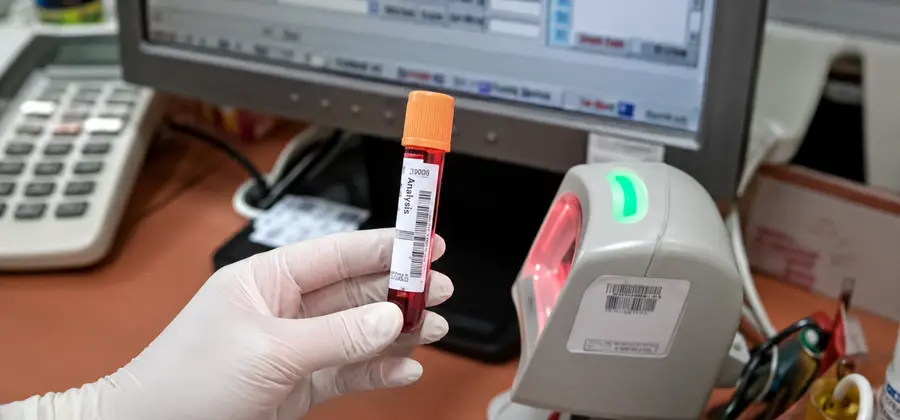
Provides comprehensive services including drug allergy consultation, risk assessment, pharmacogenomic screening, immunological testing, drug provocation testing, and management of severe drug hypersensitivity reactions.
Operates Taiwan’s most comprehensive clinical and research platform for drug hypersensitivity, linking patient care with translational research.
Pioneered the discovery of key genetic markers associated with severe drug-induced adverse reactions, advancing precision medicine and safer prescribing practices.
Research findings have been published in leading international journals and incorporated into national and international clinical guidelines, healthcare policies, and pharmacovigilance programs.
Recognized nationally and internationally as a referral and consultation center for complex drug hypersensitivity cases.
Committed to translating scientific discoveries into clinical practice, improving medication safety and patient outcomes worldwide.
Taiwan’s first dedicated Drug Hypersensitivity Clinical and Research Center
Comprehensive one-stop service for prevention, consultation, diagnosis, and follow-up of adverse drug reactions
Multidisciplinary care model integrating dermatology, allergy/immunology, infectious diseases, critical care, pharmacy, and laboratory medicine
Advanced platforms for pharmacogenomics, immunological diagnostics, and drug hypersensitivity risk assessment
Taiwan’s only comprehensive drug hypersensitivity testing and precision screening service
Global leader in identifying genetic and immunological biomarkers associated with severe drug reactions
Extensive international collaborations and multinational research networks
One of the few centers worldwide conducting innovative clinical trials for severe drug hypersensitivity reactions
Treats approximately 40 patients with Stevens-Johnson syndrome (SJS) and toxic epidermal necrolysis (TEN) annually, serving as one of Taiwan’s major referral centers for severe drug hypersensitivity reactions.
Provides consultation and care for thousands of referred drug hypersensitivity cases from medical centers and regional hospitals nationwide.
Operates Taiwan’s largest pharmacogenomic screening platform for drug hypersensitivity, with tens of thousands of HLA genotyping tests completed.
Has performed tens of thousands of in vitro immunological tests and culprit drug identification assessments.
Maintains a comprehensive clinical and biobank database covering SJS/TEN, DRESS, AGEP, and other severe adverse drug reactions.
Serves as a national consultation center for hospitals, government agencies, and the Taiwan Drug Injury Relief Foundation.
Conducts multiple international collaborative studies and clinical trials annually.
Leads one of Asia’s largest SCAR research networks with over two decades of clinical and translational research experience.
Discovered major genetic risk markers for SCARs, including HLA-B15:02, HLA-B58:01, and CYP2C*3 for prevention of carbamazepine, allopurinol, and phenytoin-induced SCARs.
Genetic screening identifies a substantial proportion of patients at risk for severe drug hypersensitivity.
Findings led to drug label revisions by regulatory authorities worldwide.
Influenced international treatment guidelines in rheumatology and epilepsy.
Supported national reimbursement programs for pharmacogenomic screening.
Established a globally recognized model for precision medicine in drug safety.
SJS/TEN carries a mortality rate of up to 20–30%, with approximately 20% of survivors suffering long-term visual impairment.
SCARs represent a major category of drug injury compensation cases in Taiwan.
Conducted the world’s first TNF-α inhibitor clinical trial for SJS/TEN.
Mortality was reduced from 20.8% in the systemic corticosteroid group to 9.1% in the anti-TNF-α group.
Implemented early diagnostic and risk stratification systems for severe drug reactions.
Pharmacogenomic screening significantly improves medication safety and prevents life-threatening adverse reactions.
Serves as a referral center for leading medical institutions throughout Taiwan.
Recognized as a trusted consultation center by government agencies and healthcare organizations.
Provides integrated multidisciplinary care through a one-stop service model.
Enhances patient experience through efficient diagnosis, testing, and treatment pathways.
Highly regarded by patients and referring physicians for expertise in drug hypersensitivity management.
Recipient of the ILDS Young Dermatologist International Achievement Award.
Published in premier journals including Nature 2004, Nature Medicine 2008, PNAS 2005, JAMA 2014, JACI 2021, and Nature Communications 2019/2024.
The research outcome of Nature (2004): genetic study of HLA-B*15:02 discovery has been cited over 2,200 times.
The research outcome of Nature Medicine (2008): the SJS/TEN biomarker: granulysin studies discovery cited over 1,500 times.
Authored more than 260 SCI publications and secured over 35 international patents.
Prof. Chung is ranked among the world’s top 2% scientists (2021–2025).
Leader of major international SCAR research collaborations across Asia, Europe, and North America.
Established the world’s first comprehensive model integrating prevention, diagnosis, treatment, and translational research for drug hypersensitivity.
Advanced precision medicine through clinical implementation of pharmacogenomic screening.
Influenced international drug labeling policies and clinical practice guidelines.
Improved medication safety through healthcare policy and reimbursement reforms.
Reduced the incidence, mortality, and long-term disability associated with SCARs.
Identified granulysin as a key pathogenic mediator and pioneered innovative therapeutic strategies.
Created a lasting global impact on drug safety, patient care, and precision medicine.