Head and neck cancer patients
Founded on December 1, 1978, our hospital is the largest cancer treatment center in Taiwan. The Oncology Center was established in 1990. In 2004, the Cancer Center was formally institutionalized with the creation of 19 multidisciplinary teams, including the Head and Neck Cancer Team. In 2006, guided by a patient-centered philosophy, the hospital integrated both medical services—including cancer outpatient clinics, the chemotherapy suite, radiation therapy, oncology wards, and nutritional support—and supportive care services—including psychiatric care, social work, patient support groups, community outreach, and spiritual and religious care—into a unified space. A comprehensive cancer case management system was also introduced to coordinate care across disciplines, ensuring that cancer patients receive the optimal treatment journey and the best possible clinical outcomes.
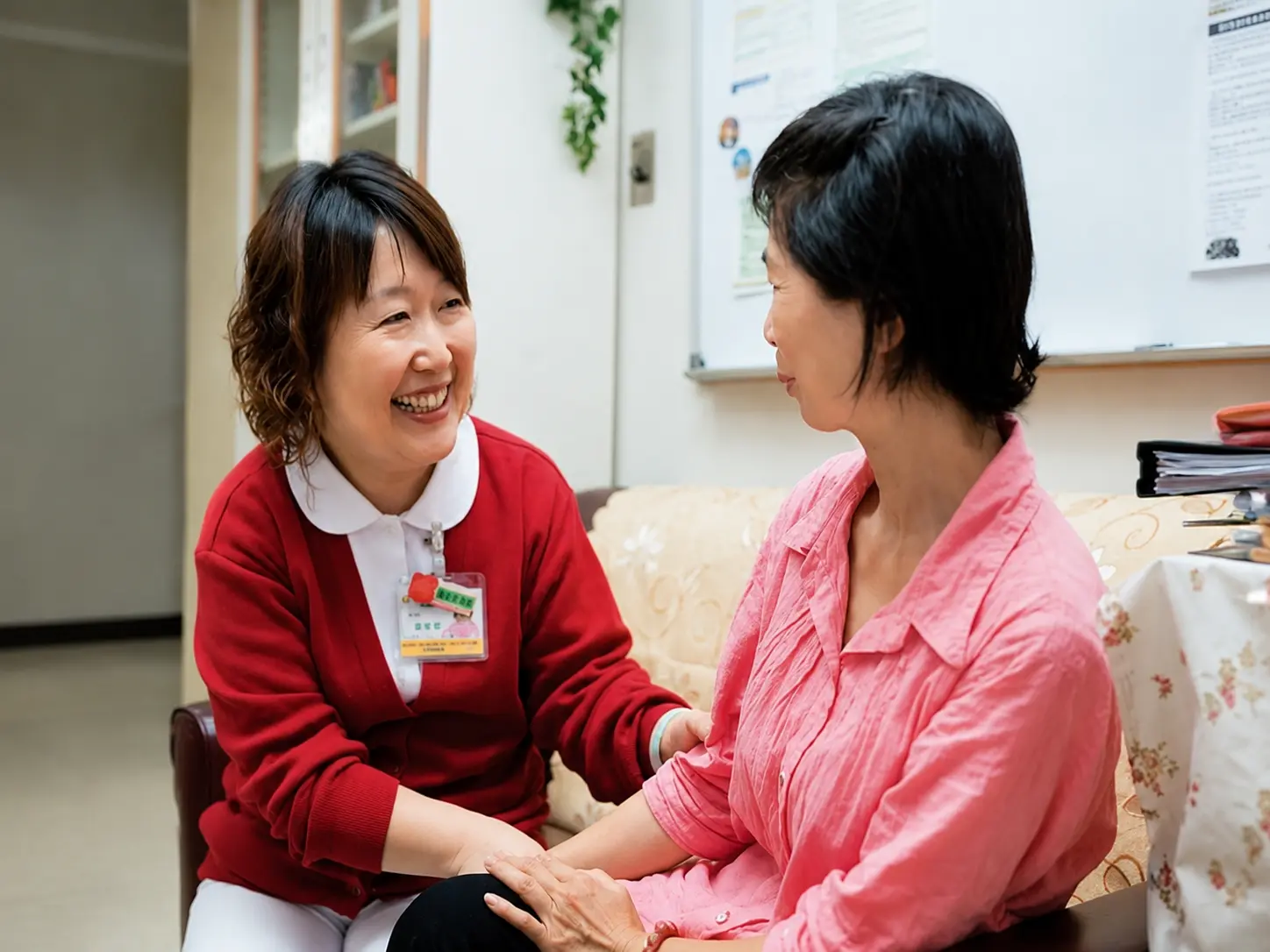
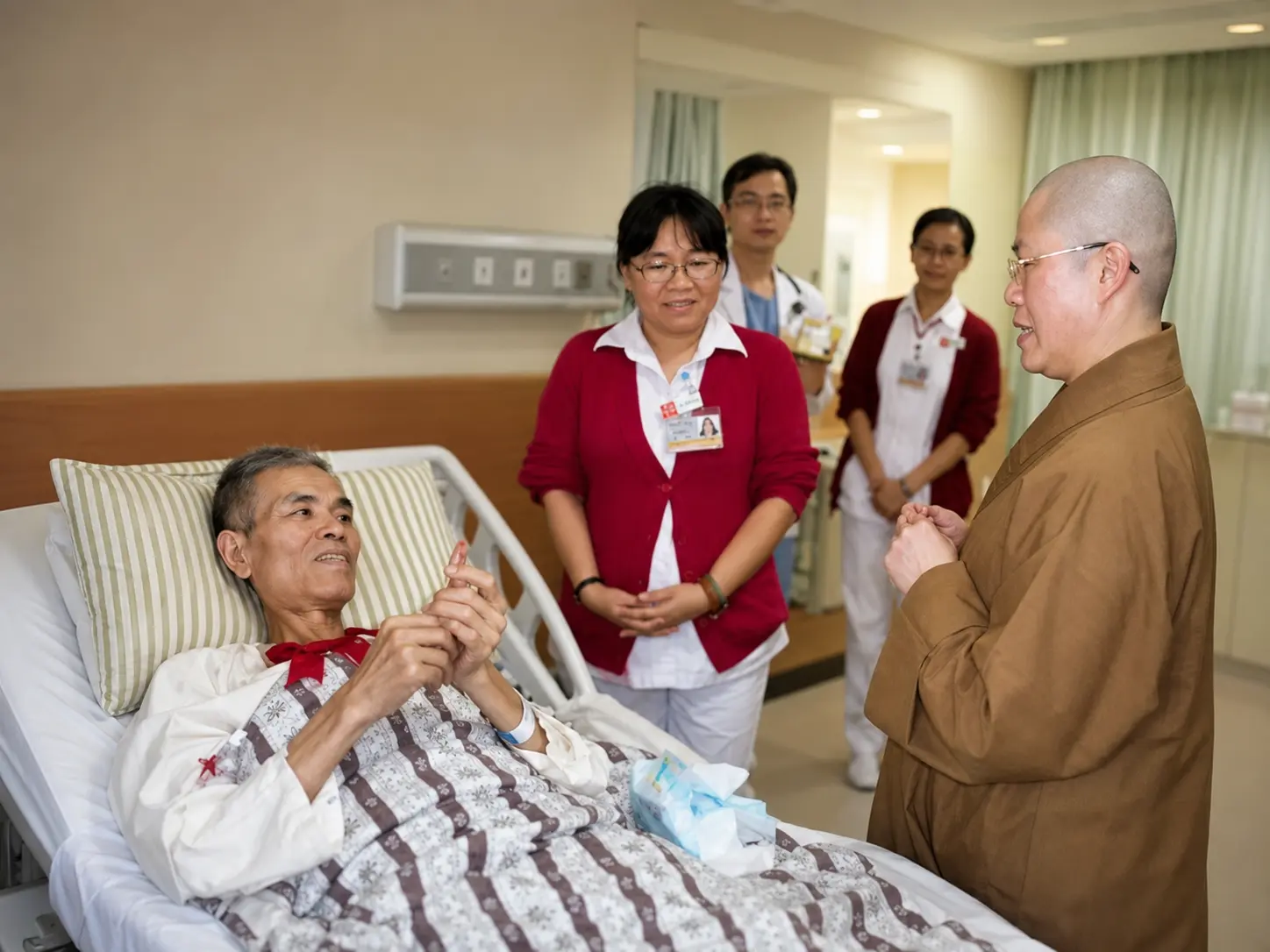
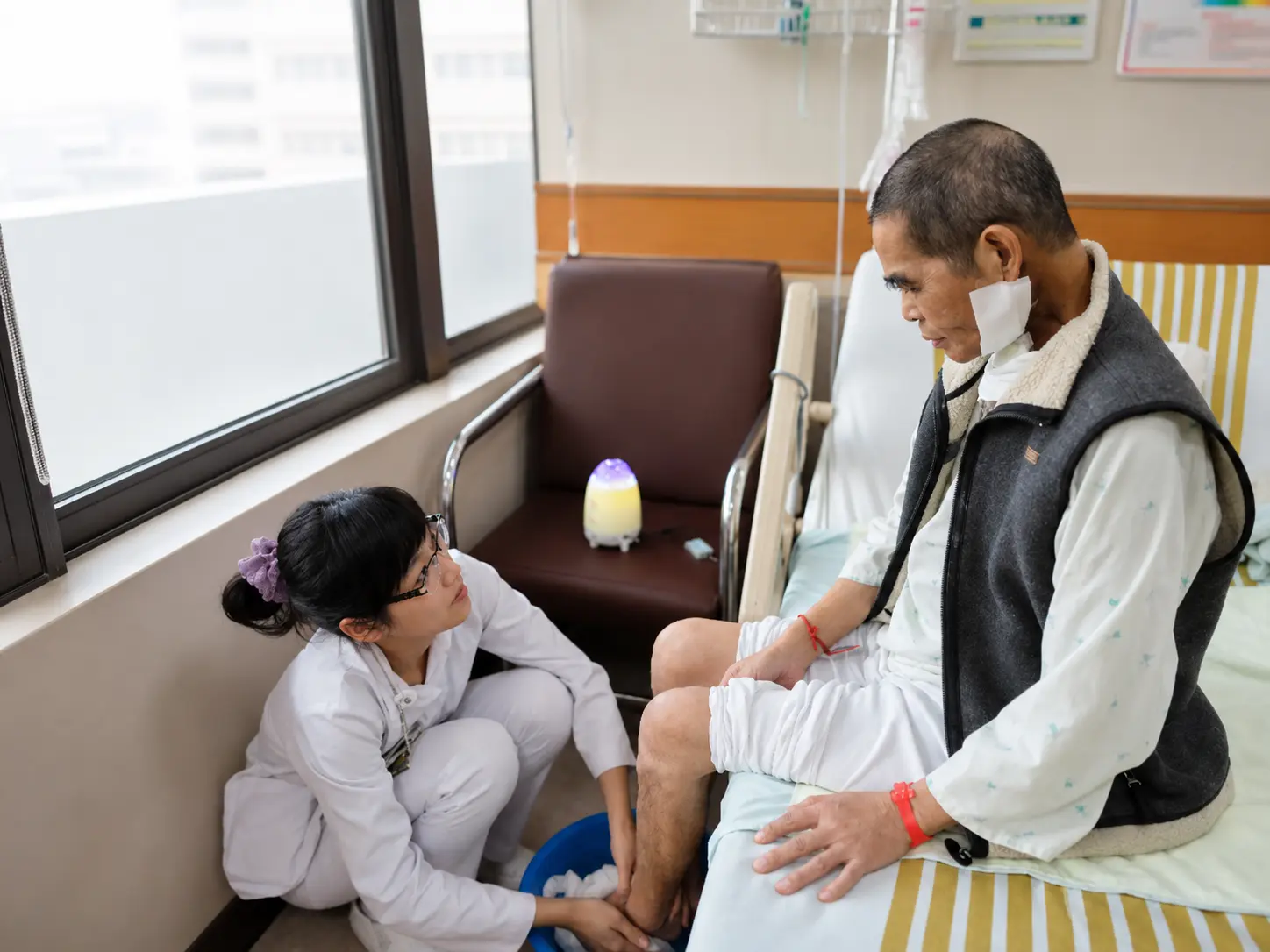
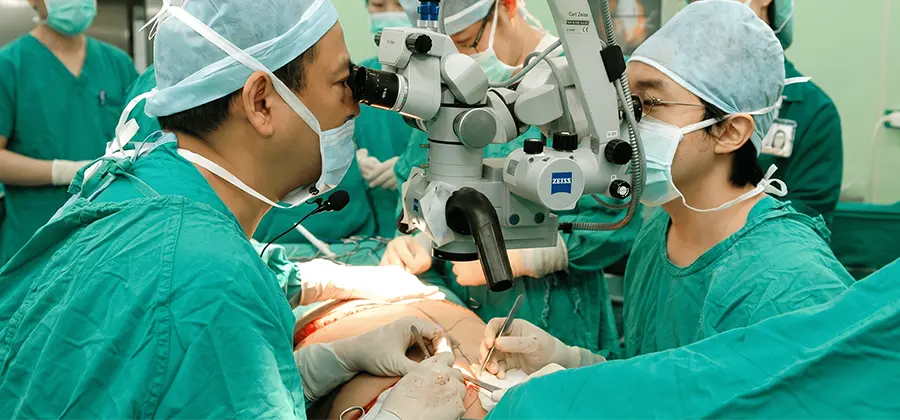
All medical services are consolidated within a single building, streamlining patient flow and minimizing unnecessary movement. The sunlit and spacious environment is designed for patient convenience while ensuring holistic care, privacy, and safety. Safe administration of chemotherapy is rigorously maintained, with a medication error rate of 0%. Physical discomfort is alleviated through specialized care for fungating wounds. A structured pain management workflow has been established, featuring a pain assessment board and participatory pain evaluation involving patients in their own care. Self-care capabilities are enhanced through tube-feeding care protocols that reduce occlusion rates. A registered dietitian designs specialized recipes on a weekly basis to meet patients' nutritional needs. Art therapy sessions, birthday celebrations, and festive activities are held regularly to support emotional well-being. End-of-life care emphasizes fulfilling patients' final wishes and ensuring a dignified passing. First in Asia: The Microsurgical Reconstruction Intensive Care Unit was officially established on December 23, 1988, becoming the first ICU in Asia dedicated to reconstructive and plastic surgery. First in Taiwan: The chemotherapy drug transport cart, pioneered by Chang Gung in 2007, was incorporated into the national Cancer Care Quality Accreditation Standards in 2010.
Head and Neck Cancer Ward: 251 beds | Intensive Care Unit: 20 beds | Outpatient Chemotherapy Suite: 41 chairs Linkou Chang Gung Memorial Hospital manages 15% of all newly diagnosed head and neck cancer cases nationwide, making it the largest cancer treatment institution in Taiwan. In 2008, among 5,781 cases reported nationwide, 909 patients received treatment at Linkou Chang Gung Memorial Hospital. In 2009, the hospital diagnosed 931 new head and neck cancer cases, including 660 oral cancer, 158 oropharyngeal cancer, and 113 hypopharyngeal cancer cases. As of 2010, the cumulative number of head and neck tumor reconstruction cases reached 7,965, ranking first in the world.
Case Management Enrollment: 909 patients in 2008, 931 patients in 2009, and 884 patients in 2010. Treatment Compliance Rate: 93.2% in 2008, 92.3% in 2009, and 94.8% in 2010. Proportion of oral cancer patients surviving more than one year post-treatment with at least four follow-up visits: 95% in 2008 and 98% in 2009. Social Welfare Services: A total of 136 instances of living subsidies were provided, amounting to NT$3,360,000; nutritional subsidies were granted on 577 occasions, totaling NT$2,882,000. Pain Score Reduction: Patient-reported pain scores decreased from 7 to 3, representing a reduction of 4 points on the pain scale. Tube-Feeding Occlusion Rate: 9.5%. Incidence of Hand-Foot Syndrome from Chemotherapy: 48% at our hospital, compared to the international rate of 68%.
Chemotherapy Medication Error Rate: 0% in 2008, 0% in 2009, and 0% in 2010. Drug Extravasation Rate: 0.01‰ in 2008, 0.03‰ in 2009, and 0.01‰ in 2010. For reference, the drug extravasation rate reported by MD Anderson Cancer Center in 2002 was 0.1‰.
Monthly patient satisfaction scores for the Head and Neck Cancer Nursing Care Team were 95.7%, 96.6%, and 97.2% over three consecutive years, with a three-year average of 96.5%, meeting the hospital's target benchmark. In recognition of the warm, attentive, and patient care provided by the Head and Neck Cancer Nursing Team, patients and their families have voluntarily sent over one hundred letters of appreciation each year.
Survival rates for oral cancer at all stages are superior to both national and U.S. benchmarks. The 5-year survival rate for stage III and IV hypopharyngeal cancer surpasses that reported in the United States. The incidence of chemotherapy drug extravasation is lower than international standards (0.001%–0.003% at our hospital, compared to 0.01% at MD Anderson Cancer Center). The severity of chemotherapy-induced hand-foot syndrome is lower than international rates (48% at our hospital versus 68% internationally). The Chang Gung Microsurgical Reconstruction Center stands as one of the world's leading centers for microsurgical reconstruction.
Case managers have received Excellence Awards from the Bureau of Health Promotion. In 2008, the hospital was awarded Grade A Cancer Care Quality Certification. The Cancer Center has consistently achieved outstanding results in quality accreditation evaluations. In 2011, the hospital ranked first in expert review at the Bureau of Health Promotion's Benchmarking Symposium for the Cancer Care Quality Improvement Program. The hospital provides training for nursing professionals from both domestic and international institutions and hosts visiting delegations for observational learning. In 2010, the chemotherapy drug transport cart was officially incorporated into the national Cancer Care Quality Accreditation Standards.