Burn injury
Organ donation
In 2015, the Formosa Fun Coast dust explosion incident resulted in burns affecting nearly 500 individuals in Taiwan. To mitigate the risk of future large-scale incidents that could lead to shortages of cadaver skin, the Ministry of Health and Welfare, through its Organ Donation and Transplantation Center and Patient Self-Registration Center, commissioned the "National Cadaver Skin Bank Establishment Project" to Tri-Service General Hospital. This institution is responsible for the donation, processing, testing, and preservation of cadaver skin, maintaining strict quality control standards. In 2019, National Skin Bank of Taiwan was officially established. In recent years, the Skin Bank has prioritized the standardization of cadaver skin donation procedures and increasing the volume of harvested skin. Comprehensive Standard Operating Procedures (SOPs) have been developed, and partnerships have been formed with hospitals nationwide, supported by a robust fundraising network to eliminate geographical barriers to donation. Additionally, regular burn medicine lectures are held to disseminate knowledge and expertise within the medical community.
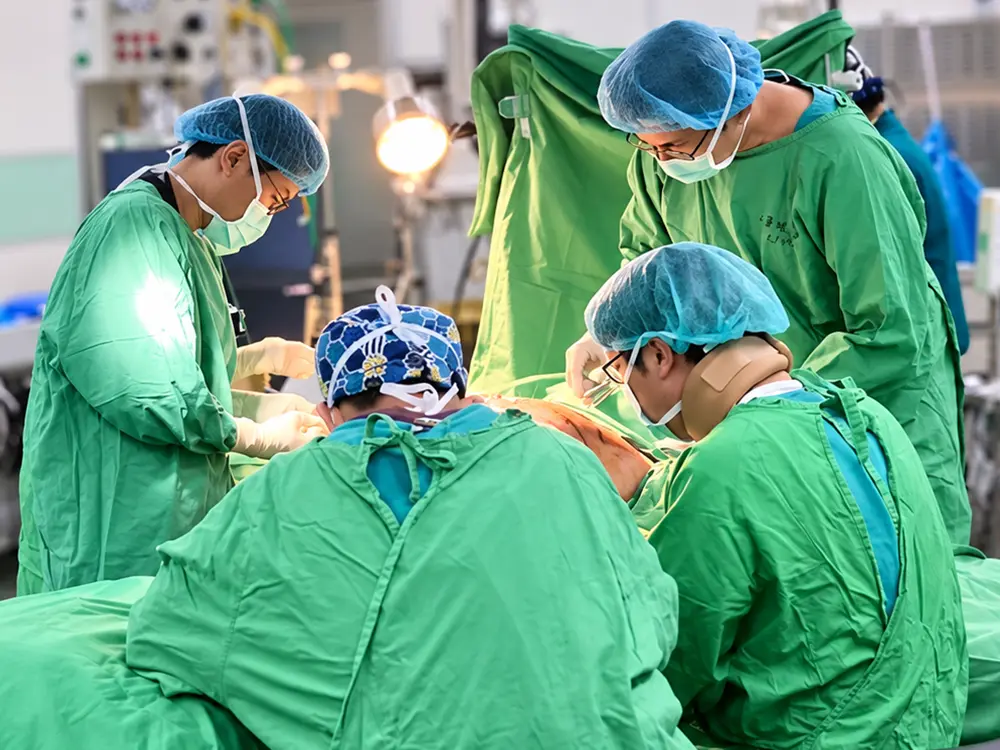
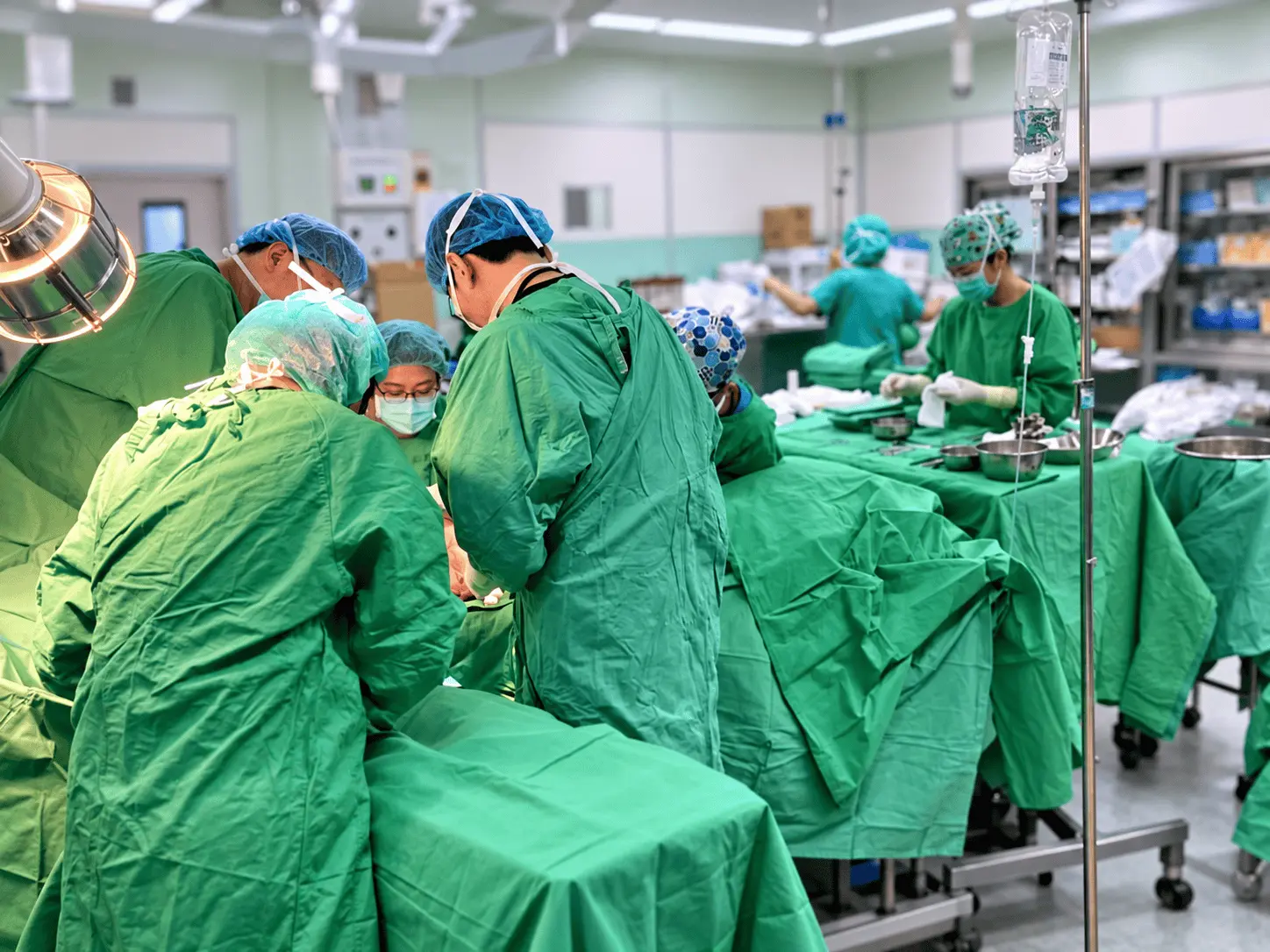
Harvesting and preserving the cadaveric skin.
Tumescent injection assist cadaveric skin harvest
Ultra-crystallization at -80 degrees Celsius.
On average, there are 27 donors per year, resulting in a total annual harvest of approximately 99,000 cm² of allografts.
Averge 43245 cm² of allografts used.
Adults with burns covering 40% of their body surface area, and children and the elderly with burns covering 20% of their body surface area, are eligible to apply for the use of gross skin.
Individuals with burns classified as fourth degree or higher covering 10% of their body surface area, regardless of age, are eligible to apply for the use of gross skin.
Applications for the use of gross skin may be made in cases of major disasters.
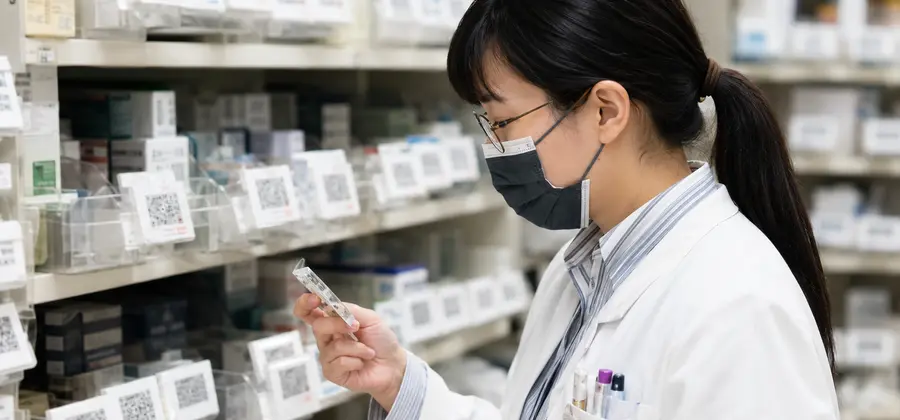
Before being stored, each piece of skin undergoes two bacterial culture tests. If any skin is found to be contaminated, it will not be abandoned.
Before being given to the recipient, each batch of skin is screened using a bacterial culture test. If any skin is found to be contaminated, the entire batch will be discarded.
Using gross skin provides an additional biological barrier for exposed burn wounds, resulting in high patient satisfaction and reduced pain levels.
Reduces the mortality rate for patients with major burns.
The technician retention rate has been 100% for the past three years, providing a friendly work environment.
Cadaveric skin is already one of the standards for treating burns in plastic surgery textbooks (Neligan, Grabb and Smith's).
The achivement have been presented at the annual meeting of the Taiwan Society of Plastic and Reconstructive Surgeons.
Cadaveric skin grafts have played a significant role in improving the survival rates of patients with severe burns.
Certified by the TFDA.