Psychiatric patients with insomnia, hypersomnia, or sleep-disordered breathing
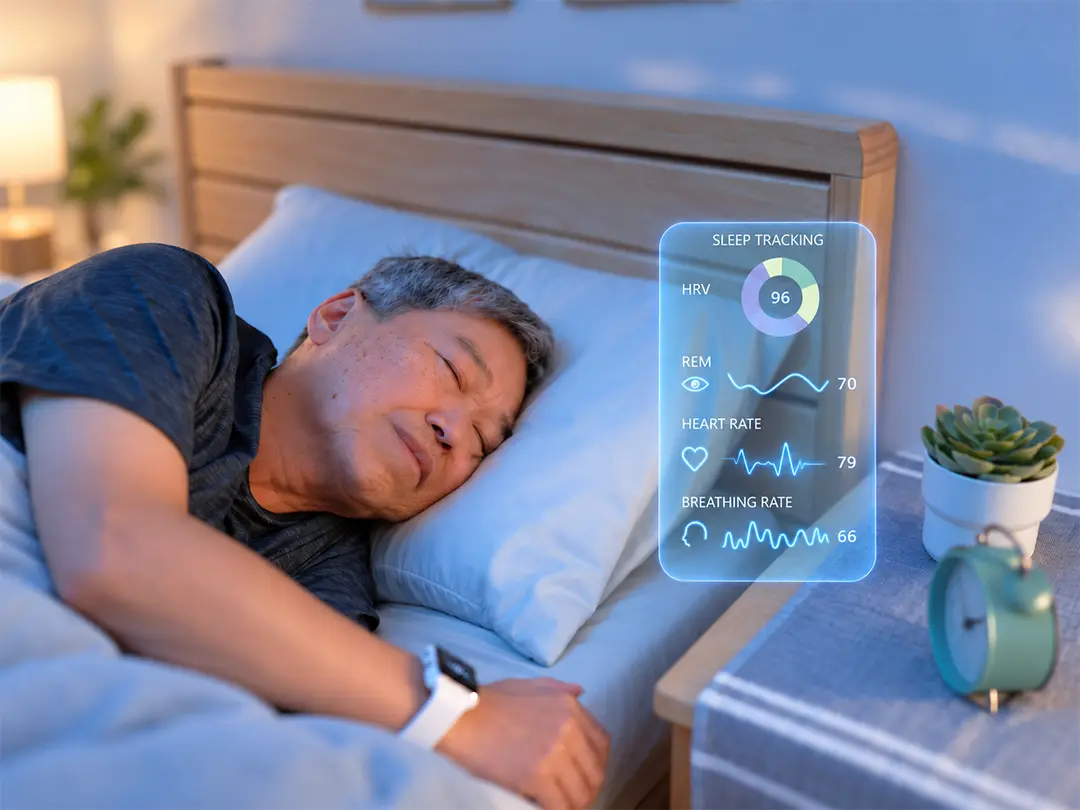
The Department of Psychiatry at Tri-Service General Hospital has launched “SleepSense+: Intelligent Sleep, Carefree Rest”, an innovative program designed to deliver precision care for sleep disorders commonly accompanying psychiatric illnesses. Research shows that up to 72.5% of first-visit psychiatric patients experience insomnia, and 30–67% have comorbid obstructive sleep apnea. However, traditional in-laboratory polysomnography (PSG) often involves long waiting times and extensive wiring, resulting in poor tolerability and low adherence among psychiatric patients. This service pioneers the integration of smart healthcare and wearable technologies to establish the nation’s first one-stop psychiatric sleep clinic. Through home-based sleep testing and smartphone sleep-monitoring apps, patients can undergo evaluation and long-term follow-up in a familiar home environment. This approach enables rapid diagnosis of insomnia, hypersomnia, circadian rhythm disorders, and sleep-disordered breathing, accurately identifies comorbidity risks, shortens waiting times between hospital visits and home, and delivers a comprehensive precision-medicine pathway spanning prevention, diagnosis, and treatment.
Our sleep services integrate healthcare and technology and feature three core strengths:
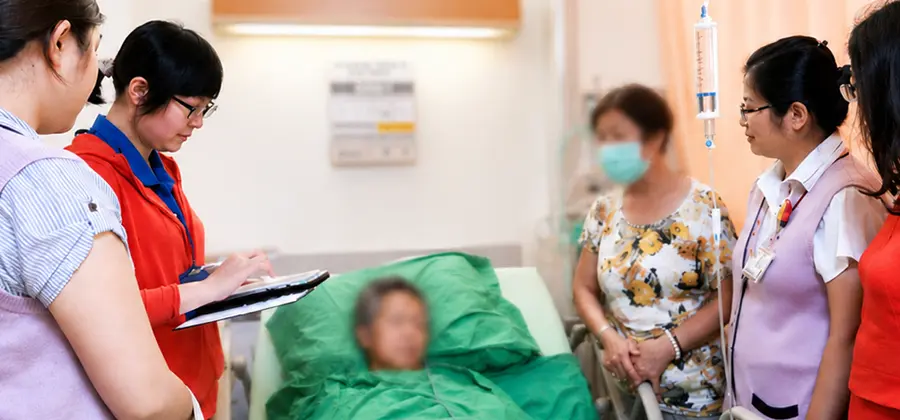
One-stop, cross-disciplinary care—psychiatrists, sleep-center physicians, and clinical psychologists collaboratively provide comprehensive pharmacological and non-pharmacological treatment with timely referrals.
Comfortable home-based testing—home screening is used to assess obstructive sleep apnea in psychiatric patients.
Long-term smart monitoring—in collaboration with the National Health Research Institutes, smartphone-based tools provide objective sleep–wake data, enhancing the diagnosis and treatment outcomes of comorbid conditions.
In 2024, the integrated sleep clinic recorded 541 patient visits, and sleep medicine specialists provided services to over 14,000 patient visits.
Home sleep apnea test completion reached 99.27%, and app-based monitoring achieved a 100% completion rate in 2024
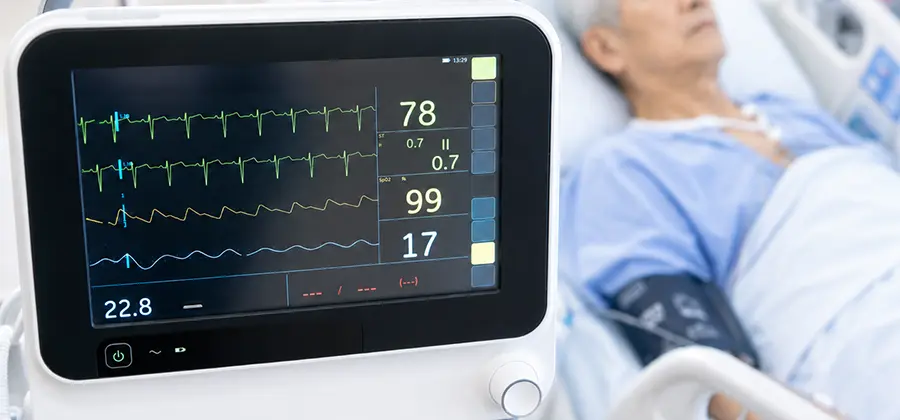
Zero patient safety incidents in three years; all equipment meets international standards and undergoes regular maintenance
The one-stop service and smart monitoring significantly improved medical convenience and patient treatment compliance
Published 34 papers with 614 citations; recorded the world's first quantified diagnosis of Kleine-Levin Syndrome
Home-based testing and smartphone app monitoring achieved nearly 100% completion rates, reducing diagnostic timelines from several months to within one week.
The team has published over 34 international journal articles in sleep medicine, with substantial clinical and academic impact.
The program effectively alleviated bed capacity pressure in in-hospital sleep laboratories, improving overall healthcare efficiency.
Patient satisfaction and treatment adherence were significantly enhanced.