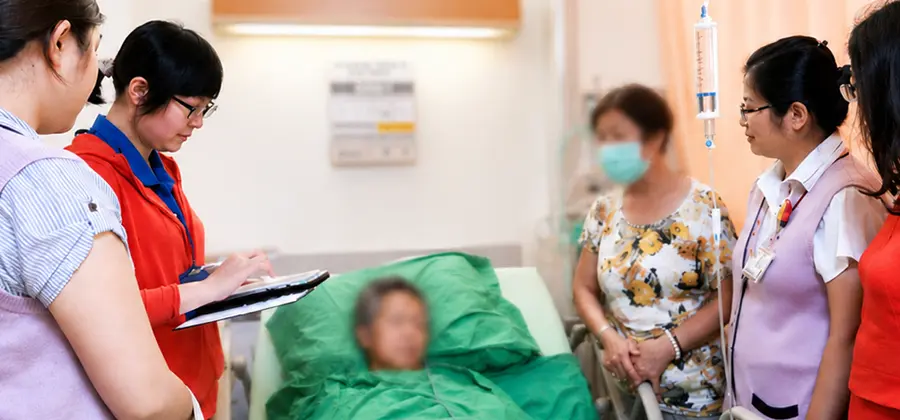
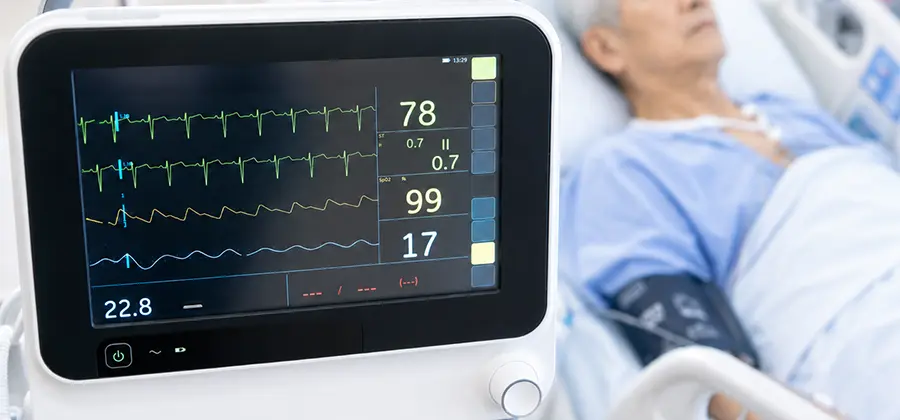
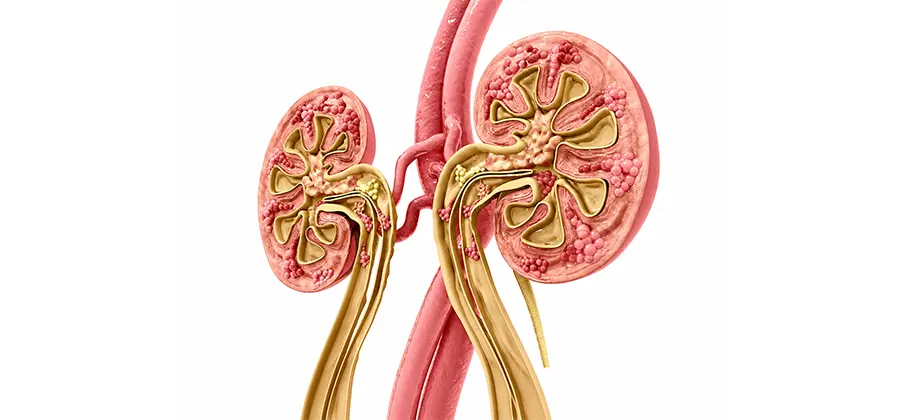
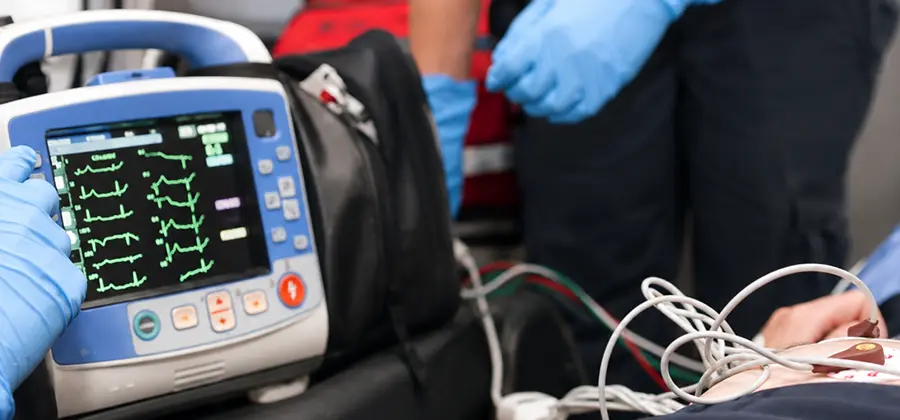
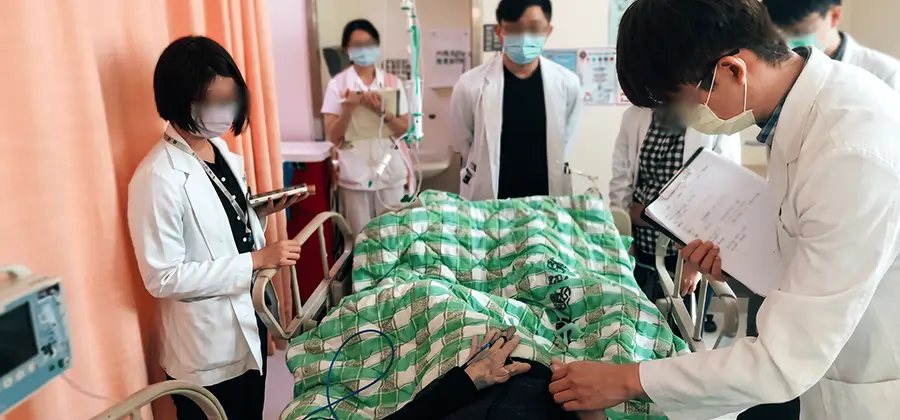
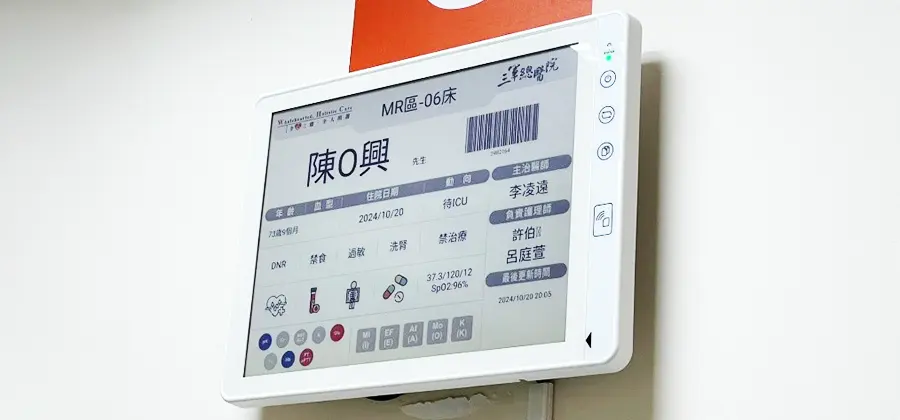
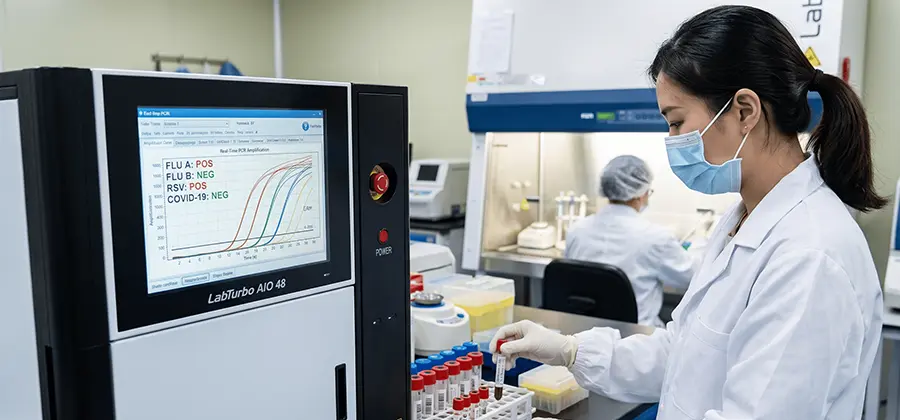
COVID-19 patients with varying disease severity and risk profiles treated at our hospital.
Patients with emerging infectious diseases.
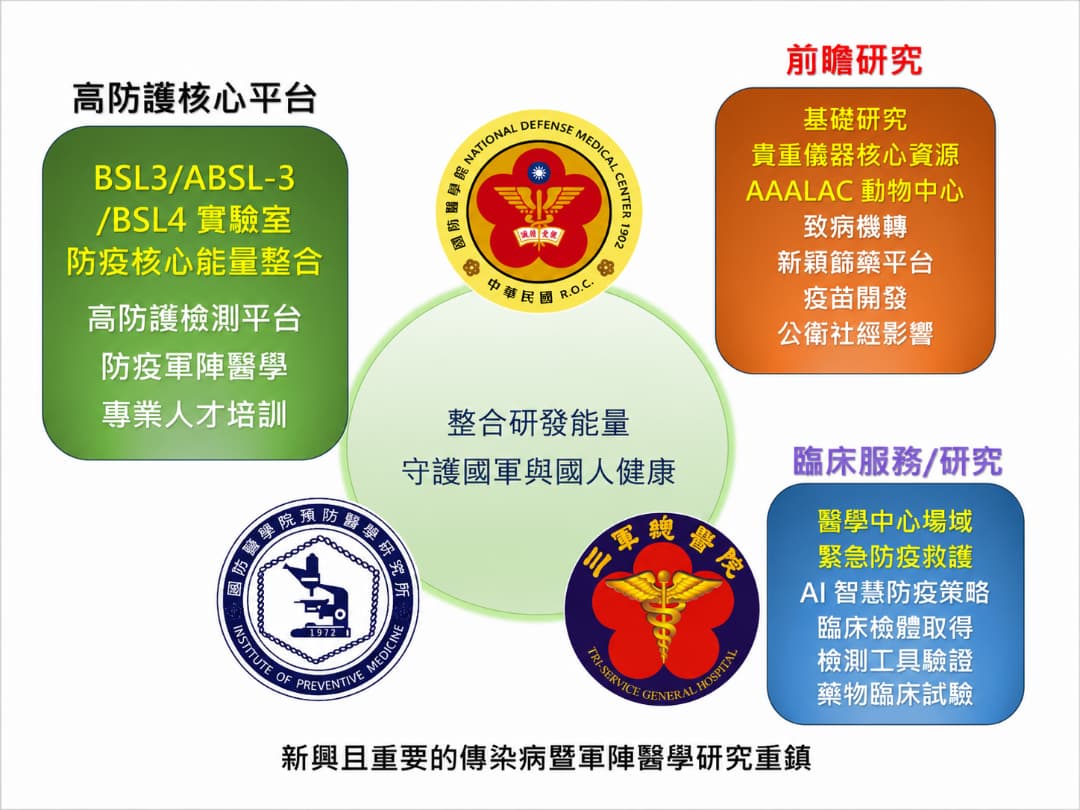
National Defense Medical University is a major hub for military medicine and infectious disease prevention training in Taiwan. Since the COVID-19 pandemic in 2019, it has integrated Tri-Service General Hospital and the National Institute of Preventive Medicine to establish a military-integrated scientific platform for pandemic prevention. Tri-Service General Hospital provides frontline clinical care and accumulates extensive experience in COVID-19 diagnosis and treatment, while the National Institute of Preventive Medicine supports biosafety operations, field validation, and personnel training through high-containment laboratories. National Defense Medical Center further coordinates basic and translational research on viral pathogenic mechanisms, diagnostics, therapeutics, and vaccines, in collaboration with international research institutions. Through close integration of clinical practice, scientific research, and validation platforms, this system strengthens patient safety, pandemic preparedness, and healthcare resilience in Taiwan.
Establish an integrated scientific platform linking clinical care, basic research, and field validation for pandemic prevention.
Use Tri-Service General Hospital as the core center to rapidly translate COVID-19 clinical needs into research directions.
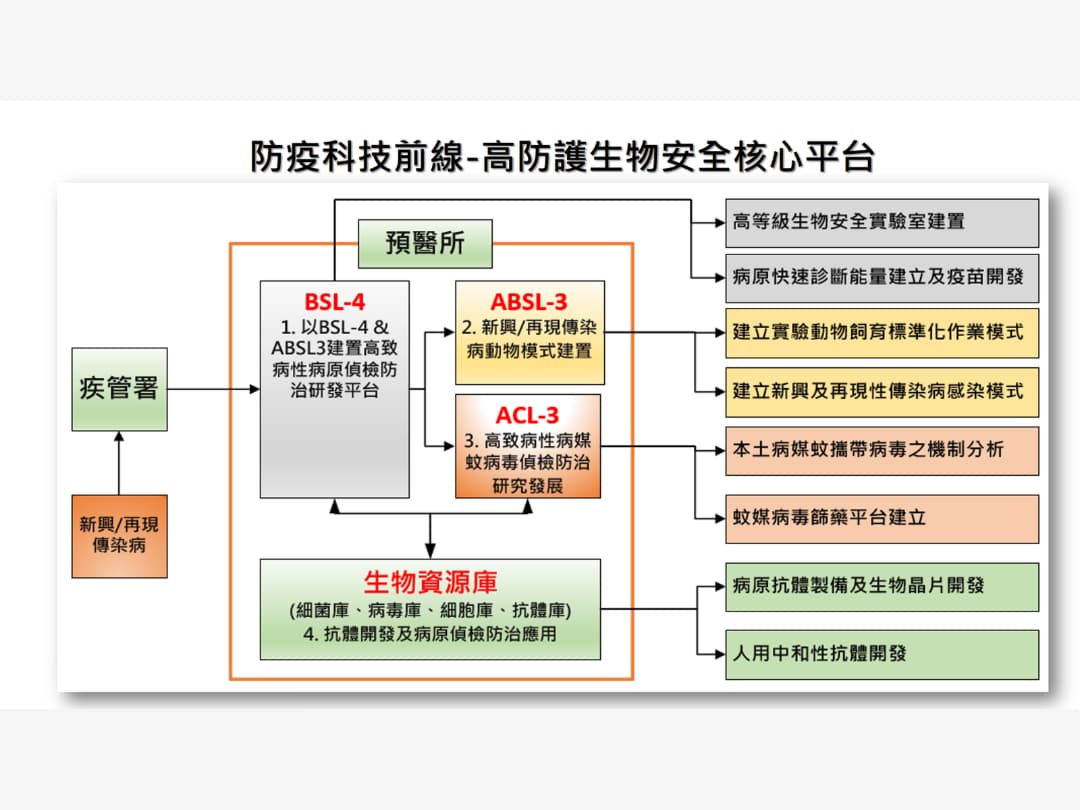
Integrate high-containment biosafety laboratories for validation of viruses, therapeutics, and vaccines.
Build a translational pathway from research and development to clinical application to accelerate implementation.
Incorporate AI analysis and rapid diagnostic tool development to support clinical decision-making and outbreak response.
Strengthen pandemic science research and clinical integration through cross-institutional and international collaboration.
Over 150 high-containment laboratory operations conducted.
Isolation and propagation of 38 viral strains completed.
Multiple animal studies for therapeutics and vaccines completed.
Supported 33 infectious disease research and prevention projects.
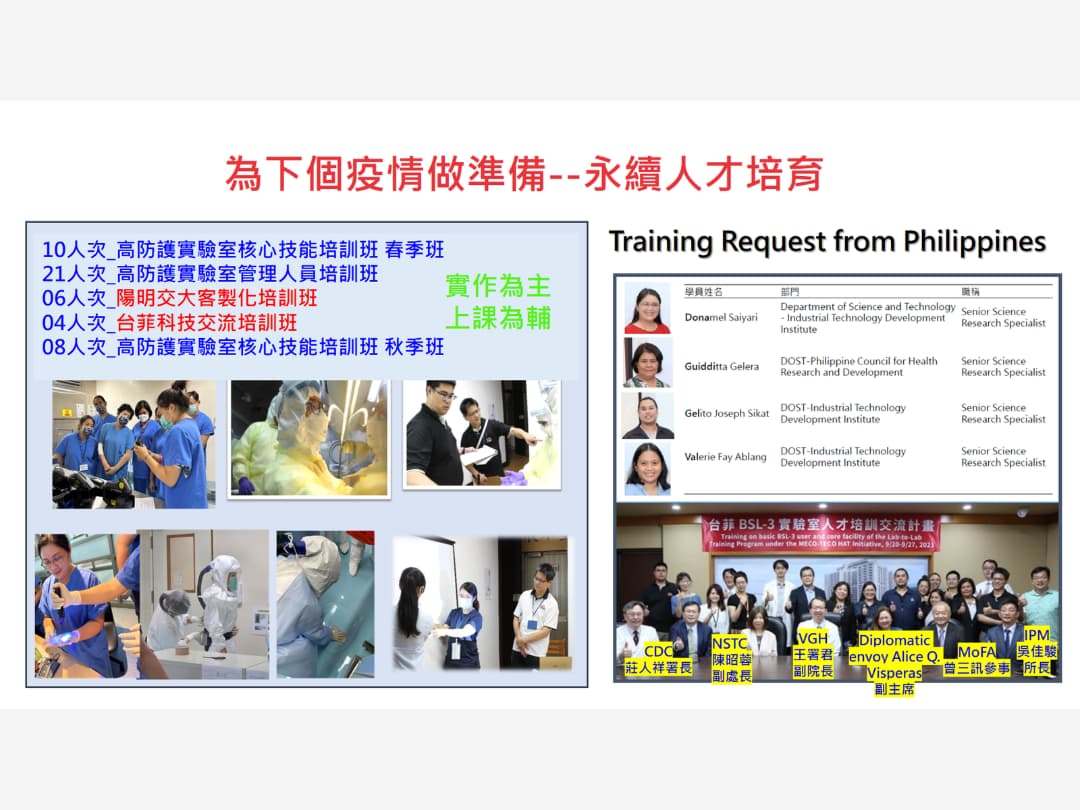
Conducted 8 professional training courses involving 147 participants.
Organized 5 international training workshops.
Completed 50 pandemic-related research projects.
High proportion of academic-industry collaborative projects (29 projects).
Obtained 4 domestic and international patents.
Received 6 National Innovation Awards.
Published 23 SCI-indexed articles.
Five products received TFDA Emergency Use Authorization (EUA).
All high-containment laboratory operations complied with BSL-3 standards.
Zero laboratory-acquired infections or biosafety leakage incidents recorded.
Established comprehensive SOPs and tiered personnel authorization systems.
Conducted regular biosafety audits and emergency drills.
Implemented continuous risk assessment and control throughout experimental procedures.
Clinical and research data were de-identified in accordance with regulations.
Our center focuses on pandemic science research and translational applications, supporting the validation and implementation of products related to clinical diagnosis, prediction, and treatment, thereby indirectly enhancing COVID-19 prevention and clinical care in Taiwan. The platform has assisted in validating rapid diagnostic tests to improve clinical reliability and public confidence, and has also promoted the commercialization of preventive products such as IgY nasal spray to diversify pandemic prevention tools. In addition, the center continuously conducts high-containment laboratory operation and biosafety training programs to cultivate multidisciplinary pandemic prevention professionals and establish sustainable research capacity. Training programs achieved satisfaction rates above 92%, contributing to improvements in national pandemic preparedness, research quality, and healthcare sustainability.
Published 23 SCI-indexed articles related to COVID-19.
Collaborated with the NIH on studies investigating the role of innate immunity in post-acute sequelae of COVID-19.
Conducted international virology collaborations with the University of Helsinki.
Establish an integrated pandemic science research platform to strengthen national pandemic preparedness and healthcare response capacity.
Support translational validation of diagnostic and therapeutic products to enhance quality and reliability.
Strengthen biosafety and quality management standards for high-risk pathogen research.
Cultivate professionals in pandemic prevention and biomedical sciences to support sustainable healthcare development.
Enhance international collaboration and global integration in pandemic science research.