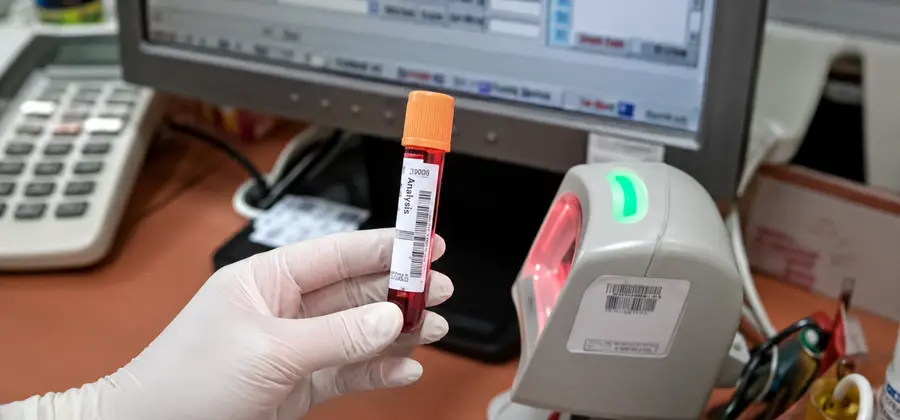
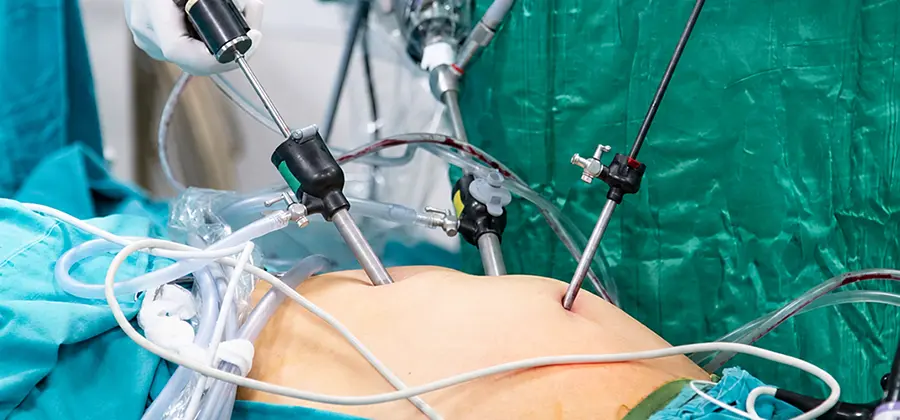
Oral cavity cancer patients.
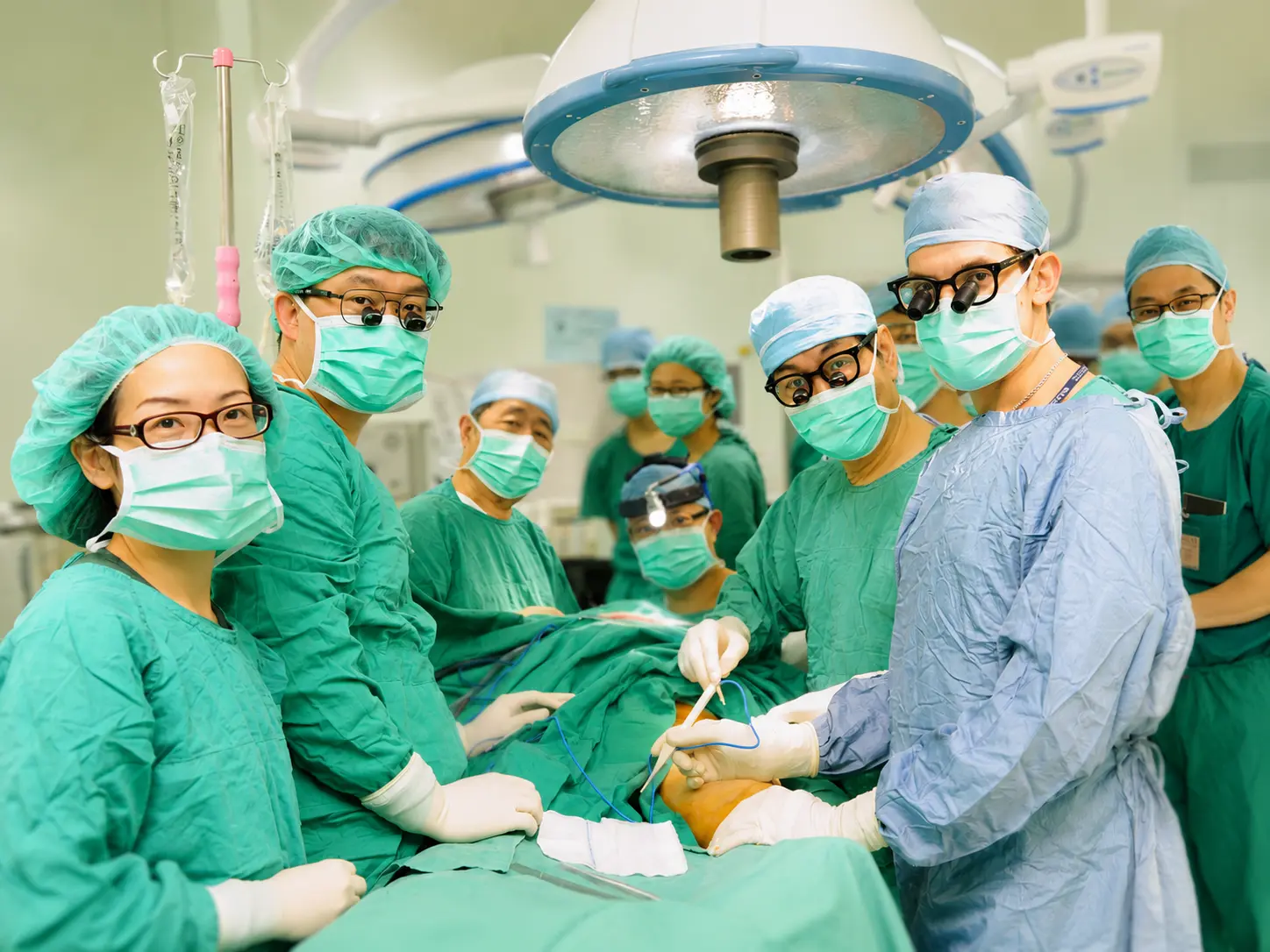
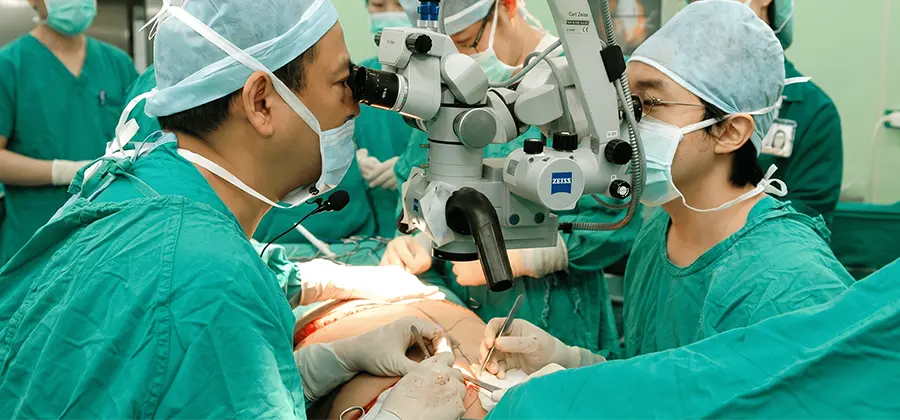
Since 1996, our team has established a dual-team collaborative model combining head and neck surgery with plastic surgery to perform simultaneous oral cancer excision and free flap reconstruction, significantly shortening operative times and enhancing patient safety. In 2008, based on a comprehensive clinicopathologic risk-factor database, we developed the Linkou CGMH Oral Cancer Treatment Guidelines. Outperforming the US NCCN guidelines, our protocols successfully redefined the international AJCC T4b oral cavity cancer classification. Consequently, we have become the world’s only oral cancer treatment guideline team officially recognized by the flagship journal of the American Society for Radiation Oncology (ASTRO).
Simultaneous dual-team surgery (head-neck & plastic surgery) to shorten operative times under 10 hours.
Structured oral cancer database established since 1996, logging detailed clinicopathologic risk factors.
Identified 373 risk factors, exceeding the combined total of the world's top three teams (Tata Memorial, MSKCC, and MD Anderson).
T3 tumors excluded as an independent risk factor; post-op adjuvant therapy required only with 2 risk factors.
Redefined the international AJCC T4b oral cavity cancer classification.
Oral cancer treatment guidelines recognized by the official ASTRO journal (International Journal of Radiation Oncology
Biology
Physics).
Free Flap Reconstruction Surgery
Accumulated 20,807 cases from 1985 to 2016 (averaging 550 cases annually); escalated to approximately 4,992 cases from 2017 to 2025, with the annual average rising to 624 cases.
Taiwan’s Leading Oral Cancer Treatment
The oral cancer treatment volume at Linkou CGMH grew steadily from 1,482 cases in 2015–2016 to 1,681 cases in 2022–2023, consistently ranking first in Taiwan and demonstrating our team's unmatched clinical capacity.
From 2018 to 2022, the 5-year survival rate for Stage III oral cancer at Linkou CGMH reached 70.09%, significantly higher than the national average of 63.65% and the medical center average of 64.98%.
For advanced Stage IV oral cancer, the team achieved a 5-year survival rate of 47.21% during the same period, consistently outperforming both the national benchmark of 42.55% and the medical center average of 44.99%.
In terms of quality management outcomes, the treatment plan compliance rate for intermediate- and high-risk patients receiving planned postoperative adjuvant chemoradiotherapy exceeded 90% from 2004 to 2018, and further advanced to 95% in 2024.
For risk management indicators, the treatment interruption rate steadily decreased from 8.5% in 2016 to 6.9% in 2018, and dropped to 6.6% in 2025.
Furthermore, regarding adverse event and safety statistics, the 90-day mortality rate after concurrent chemoradiotherapy (CCRT) historically ranged between 1.49% and 1.9%; although it experienced a slight increase to 3.13% in 2024, it consistently remained well below both the national average of 4.03% and the medical center average of 3.46%.
Patient satisfaction rates have consistently remained above 90% across multiple key dimensions, including explaining medical conditions and treatments, educating on disease self-care, understanding and caring for psychological stress and needs, and providing comprehensive cancer medical care. Furthermore, the patient retention rate has steadily increased from 90.2% in 2016 to 91.4% in 2018, and reached an impressive 93.7% in 2025.
Research findings adopted to redefine AJCC T4b classification (Cancer, 2006).
Oral cancer guidelines endorsed by the Int J Radiat Oncol Biol Phys (the official ASTRO journal).
Published 4 landmark papers on T4b tumors, representing 50% of all global publications on this topic.
Revealed 66% of T4b tumors in Taiwan are surgically treated, achieving a prominent 50% survival rate.
Collaborated with top-tier global institutions, including MD Anderson, MSKCC, Stanford University, US NIH, Tata Memorial (India), University of Cologne (Germany), AC Camargo (Brazil), and SHNCI (Australia).
Reduced adjuvant chemoradiotherapy by 28% (160/571) for intermediate-risk patients compared to NCCN guidelines.
Saved NT$336 million in National Health Insurance expenditures from 2008 to 2016.
Enhanced quality of life for over 1,000 oral cancer patients at Linkou CGMH since 2008 by safely sparing them from unnecessary chemoradiotherapy.
Improved survival rates by 30% for most T4b oral cancer patients through surgical intervention