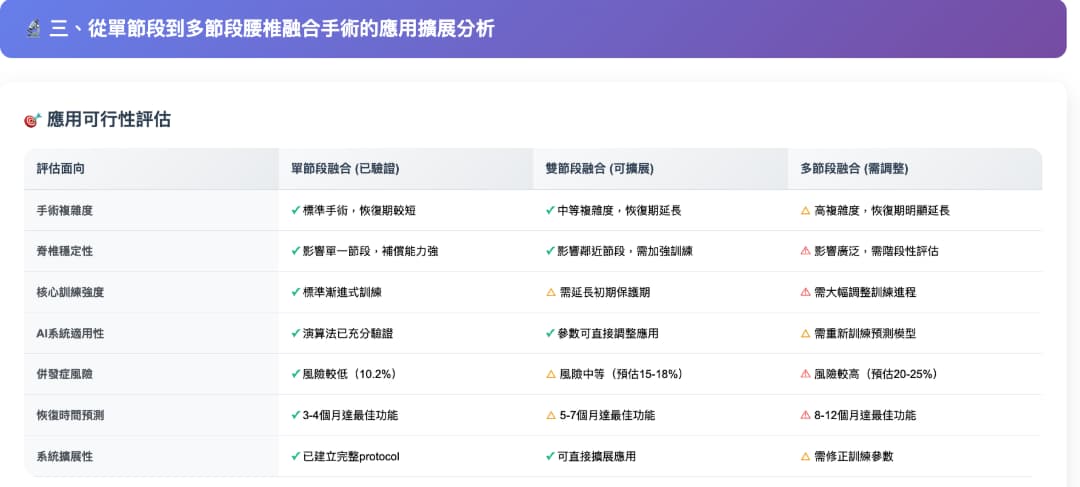
Single-level lumbar fusion
Isolated lumbar instability
Lumbar spinal stenosis
Post-op patients requiring core muscle rehabilitation
Young professionals or athletes
High functional demands
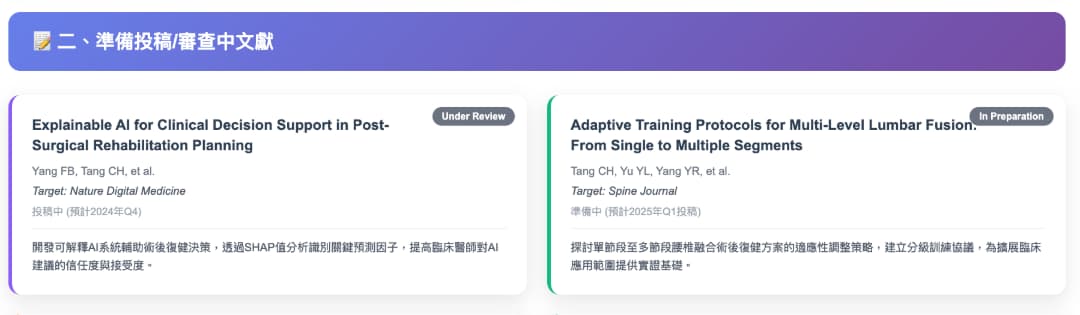
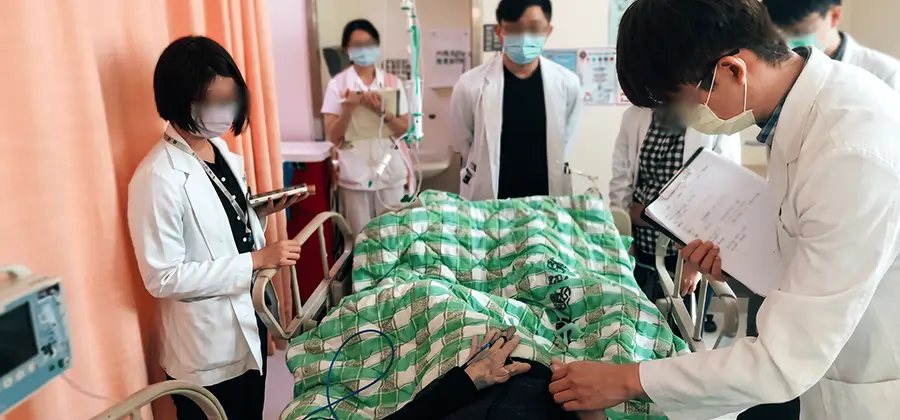
The Department of Neurosurgery at our hospital has developed a specialised intelligent dynamic core training system for postoperative spine rehabilitation by integrating advanced artificial intelligence technologies. This system effectively enhances postoperative recovery and functional reconstruction. Through interdisciplinary collaboration led by spine specialists, the team utilises multimodal data — including 3D posture analysis, plantar pressure measurement, and bioelectrical impedance testing — to provide personalised and safe rehabilitation programmes. A phased training approach is implemented to optimise translational outcomes and improve patient adherence.
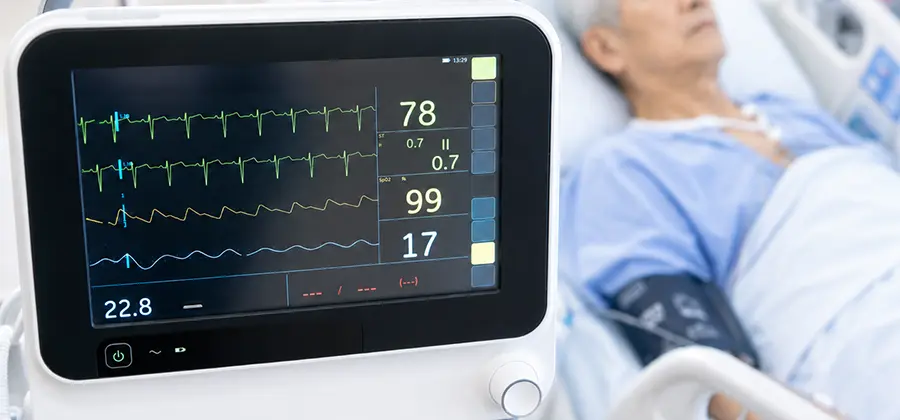
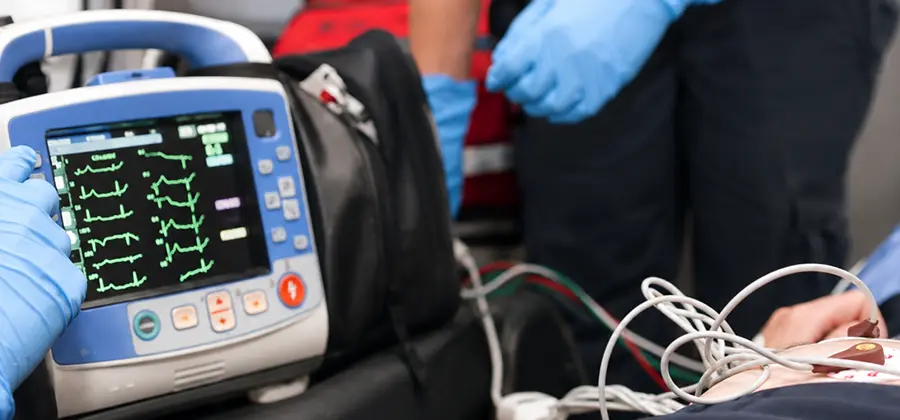
The system enables real-time monitoring of physiological parameters and exercise performance to reduce postoperative complications, while deep learning–based AI algorithms are used to predict recovery trajectories. To date, the team has successfully treated more than 193 postoperative spine surgery patients, with particular applicability in lumbar fusion cases, athletes, and individuals with high functional demands. Clinical outcomes demonstrate significantly enhanced safety, reduced complication rates, and high levels of service quality and social recognition. This work highlights Taiwan’s leading position in medical technology innovation and integrated healthcare services.
Integration of AI-based deep learning with multimodal data analysis to enhance the accuracy of personalised rehabilitation programmes.
Concurrent utilisation of 3D posture analysis, plantar pressure assessment, and bioelectrical impedance testing to comprehensively monitor the exercise quality and safety.
A multi-staged, progressive rehabilitation protocol that facilitates gradual recovery and functional reconstruction.
Interdisciplinary collaboration combining clinical expertise, imaging modalities, and AI technologies to ensure therapeutic safety and efficacy.
Intelligent monitoring with real-time feedback to improve training efficiency and patient adherence.
Rigorous quality-control mechanisms to ensure data accuracy and safety.
An annual outpatient volume exceeding 100,000 outpatient visits
Approximately 5,00 screening cases per year
Around 60 core-muscle rehabilitation sessions conducted per month
More than 200 motion-capture imaging validations annually
Approximately 500 AI-based analytical reports completed
Over 300 patient follow-up evaluations performed
Online rehabilitation courses with over 1,00 participants
Approximately 500 treatment-plan adjustments initiated per year
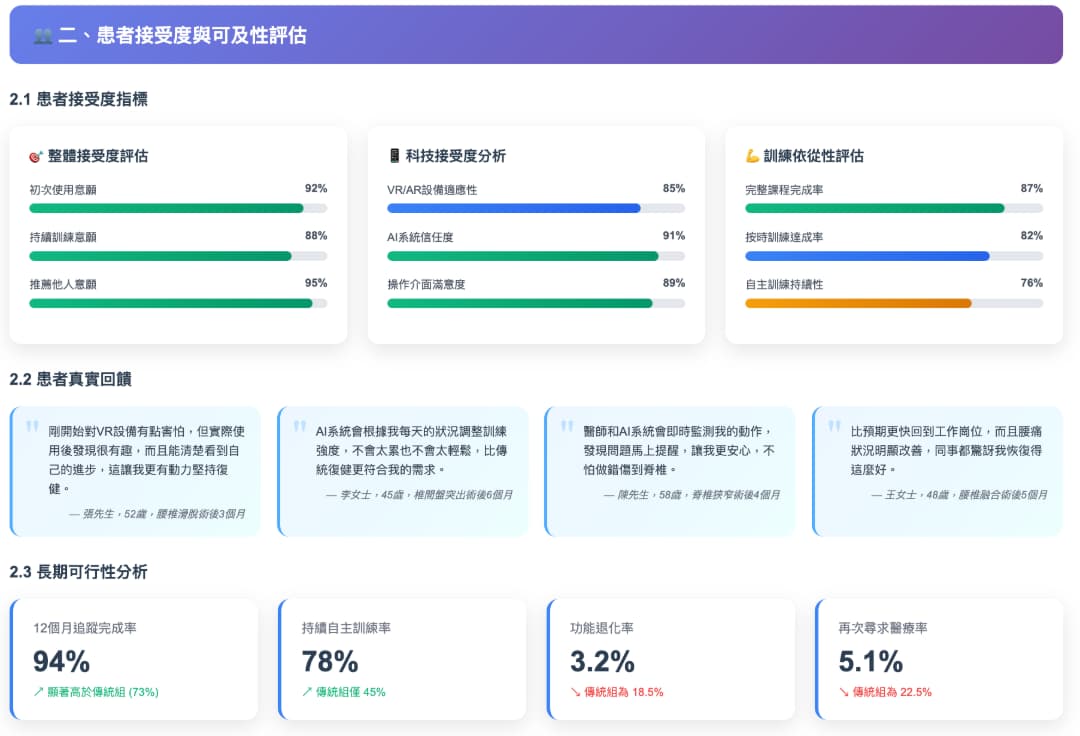
Patient satisfaction rates consistently above 85%
Assisted surgical success rate exceeding 95%
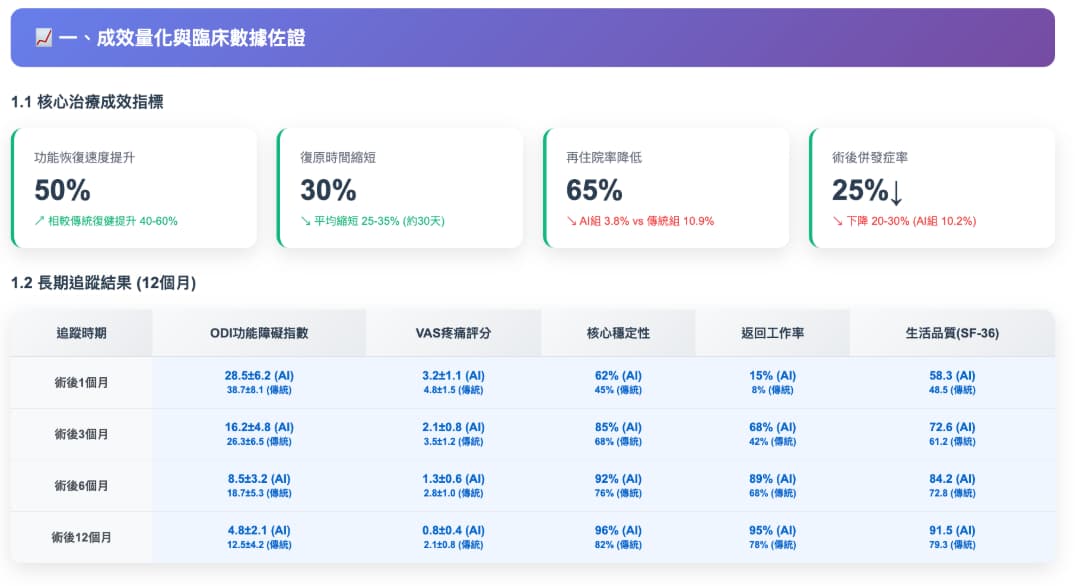
Length of hospital stay reduced by approximately 20%
Complication rate decreased to below 2%
Patient functional recovery improved by 40–60%
Training adherence rate above 90%
Imaging validation accuracy reaching 95%
Service coverage expanded to 80%
Adoption rate of intelligent rehabilitation exceeding 70%
Improvement rate in core muscle strength reaching 85%
Adverse event rate maintained below 1%
Complication incidence controlled under 2%
Risk-alert accuracy reaching 98%
Real-time corrective action rate reaching 99%
Fewer than three malfunctions of the safety-monitoring system
Secondary injury prevention rate improved to 0.5%
Fewer than five emergency stop activations
Patient safety satisfaction exceeding 90%
No major safety events recorded
Patient satisfaction rate reaching 85%
Family satisfaction rate exceeding 87%
Outpatient follow-up retention rate increased to 78%
Positive service feedback rate reaching 95%
Systemic usability consistently rated as convenient and user-friendly
Positive feedback regarding functional improvement
High satisfaction rate with therapeutic outcomes
Customer-service response time significantly reduced
Enhanced patient trust and confidence in care delivery
Intent to published papers in international peer-reviewed journals
Research findings as to be cited internationally across multiple countries
Contributed to the development of international neurosurgical guidelines
Newly developed technologies received international certification
Intent to establish a platform for cross-border collaboration and technical exchange
Enhance the national standard of neurosurgical care and improve treatment success rates
Establish advanced domestic treatment and surgical standards to promote consistency in professional quality
Improve patient care quality and safety while reducing medical risks
Strengthen interdisciplinary collaboration to enhance overall care efficiency
Drive medical technological innovation and support technological industry development
Promote integration of medical resources and advance sustainable healthcare operations
Increase patient satisfaction and quality of life, thereby strengthening social reputation and public trust