Patients recovering from refractory spinal surgery
Patients experiencing pain of unknown origin
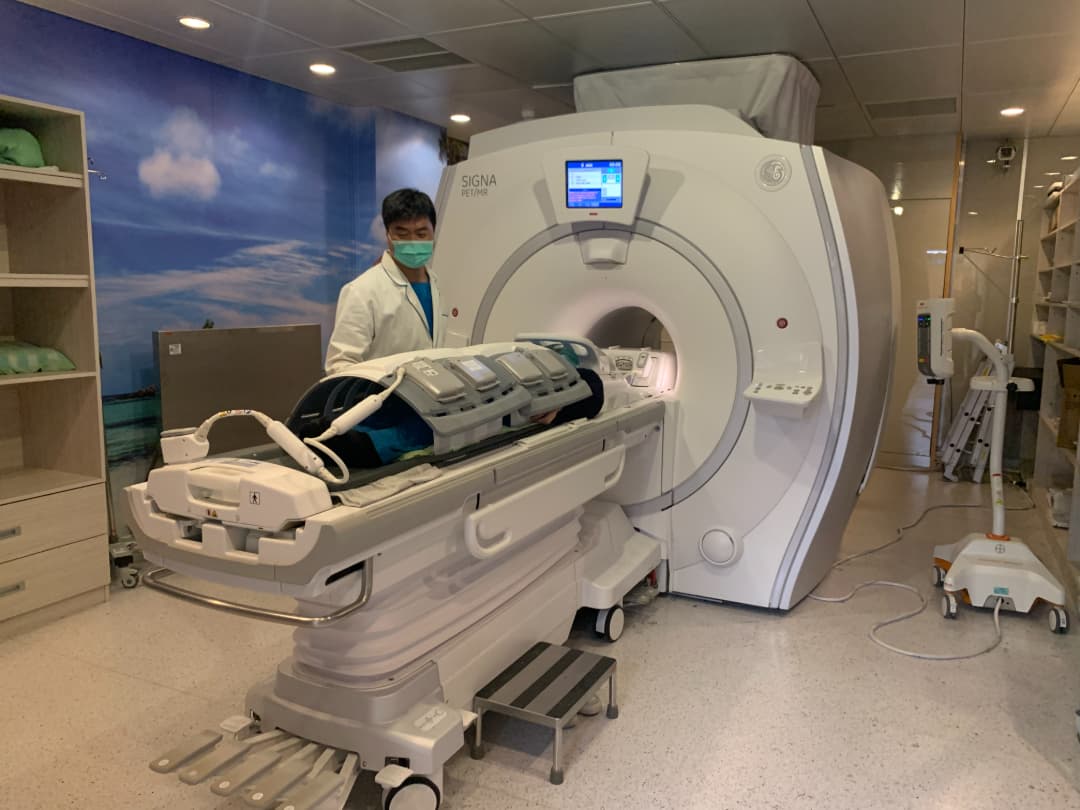
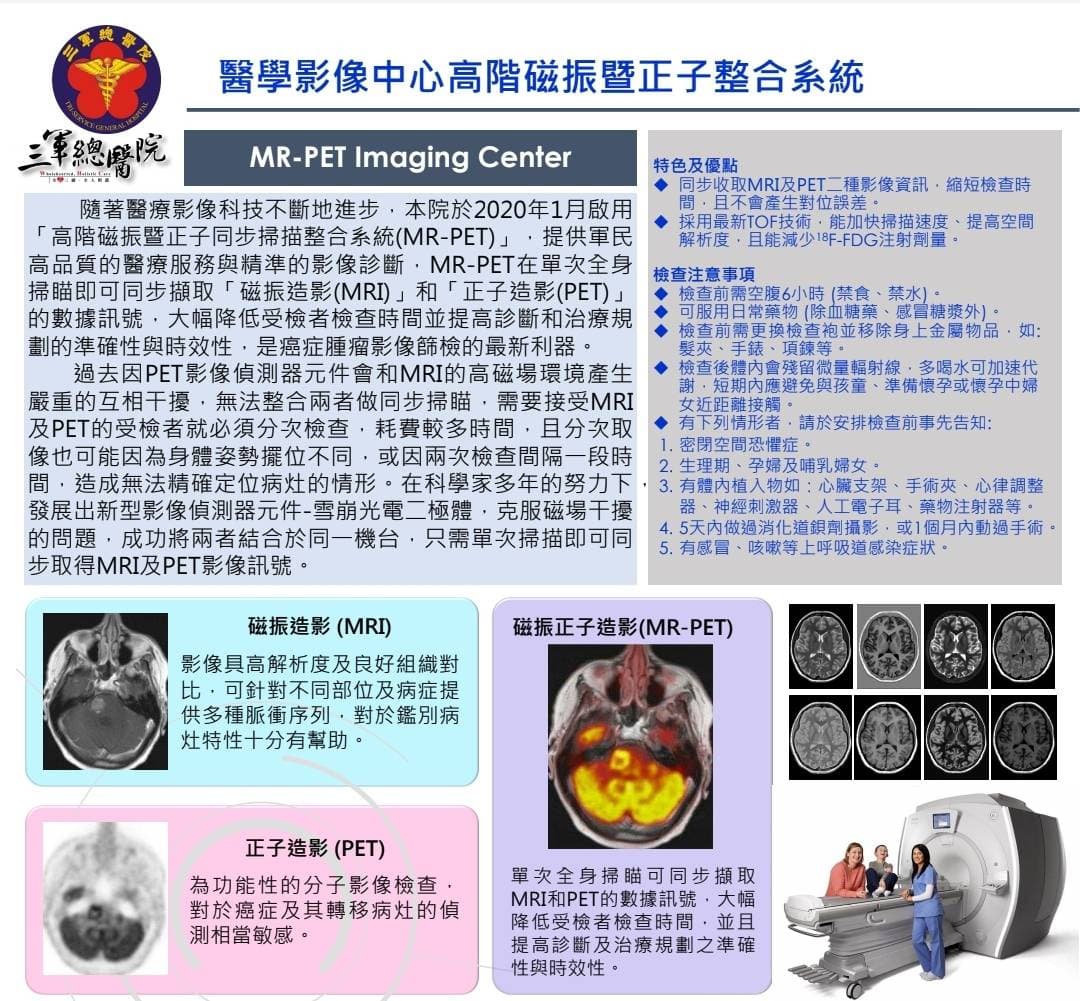
Intractable post-spinal surgery pain refers to a general term for pain that persists even after spinal surgery. A significant reason for this is that the abnormal structures seen on imaging are not necessarily the source of the pain, posing a challenge for clinicians in treatment decisions. Therefore, we have been considering whether there are more precise methods to assist in diagnosis. Currently, there are only five PET-MR instruments in Taiwan, primarily used for health checkups and tumor metastasis assessment. Our vision is to leverage the unique advantages of PET-MR to design a high-quality pain tracking technology. The core concepts of this technology are 'precise localization, rapid diagnosis, and effective treatment.'
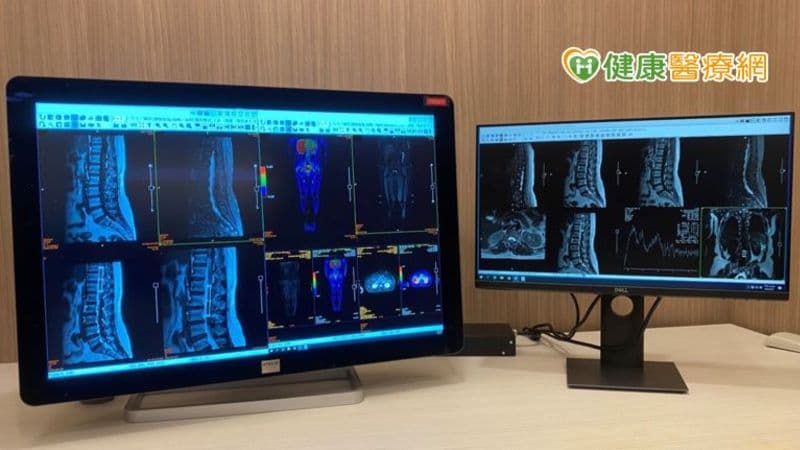
Most patients who have undergone spinal surgery usually have internal metal fixation devices in their bodies.In traditional examinations, these metals can produce artifacts, interfering with diagnosis. However, the unique advantage of PET-MR lies in its ability to simultaneously provide information on tissue structure and molecular metabolism, significantly increasing the diagnostic quality of the images.
Currently, all patients have access to PET-MR follow-up technology via clinical referral.
Clinicians can then administer treatments such as nerve block or repeat surgery based on the actual results.
In our study, 47 patients underwent PET-MR.
None of these 47 patients experienced any complications after the examination.
This technique has been recognized by our department as the highest-level diagnostic method for tracking pain after refractory spinal surgery.
We included 30 patients who underwent spinal surgery more than 6 months prior and whose conservative treatment had been ineffective. All underwent PET-MR and conventional MRI examinations.
Eighteen patients underwent nerve blocks, and 12 underwent repeat surgery to verify diagnostic accuracy.
We found that PET-MR had an exceptionally high diagnostic rate across various disease types and regions.
None of these 30 patients experienced pain management-related complications (infection, bleeding, wound pain, etc.).
All patients reported a reduction in pain intensity of more than half within one month of treatment.
According to our questionnaire survey, the satisfaction level was mainly distributed between "very satisfied" and "satisfied," totaling over 85%.
Patients generally gave a satisfactory evaluation of the services provided by the Radiology Department.
It has gained international recognition, and the paper was published in the Japanese Society of Radiology in 2024.
This integrated pain tracking method has been implemented in our hospital's clinical practice.
The pain tracking technology of the Tri-Service General Hospital has a leading advantage in pain diagnosis, especially in identifying non-structural lesions (such as nerve compression or soft tissue inflammation).
PET/MRI has potential in diagnosing chronic lower back pain, capable of detecting pain sources missed by traditional CT and MRI.