individuals whose cells have undergone gene mutations, leading to abnormal and uncontrolled cell proliferation with the ability to invade surrounding tissues or metastasize to other organs.
With the core mission of "ushering in a new era of holistic care," Linkou Chang Gung Cancer Center is committed to providing cross-disciplinary precision medicine and introducing a cancer case management care model to offer warm care to patients and their families. Through advanced equipment, AI-assisted diagnosis, and the integration of multidisciplinary teams, the center creates a customized, comprehensive care journey for patients, from disease screening and cutting-edge treatment to palliative care.
Modern cancer centers are shifting from standardized treatment to "personalized precision cancer treatment," with core strategies focusing on gene sequencing and artificial intelligence big data analysis. This involves combining multidisciplinary teams to provide holistic care encompassing body, mind, and spirit.
I. Key Technologies
Next-Generation Sequencing (NGS)
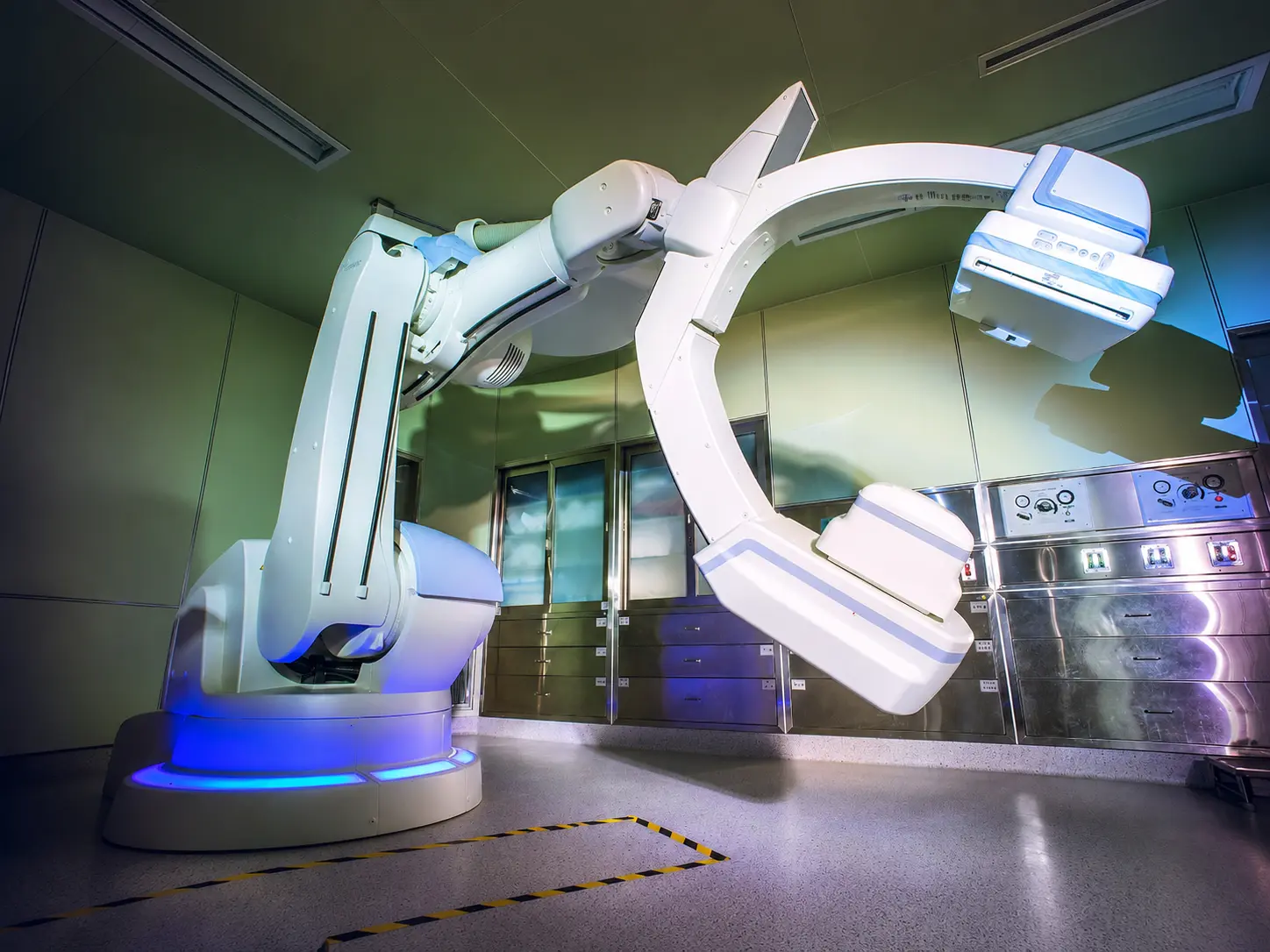
Cutting-Edge Image-Guided Radiation Therapy
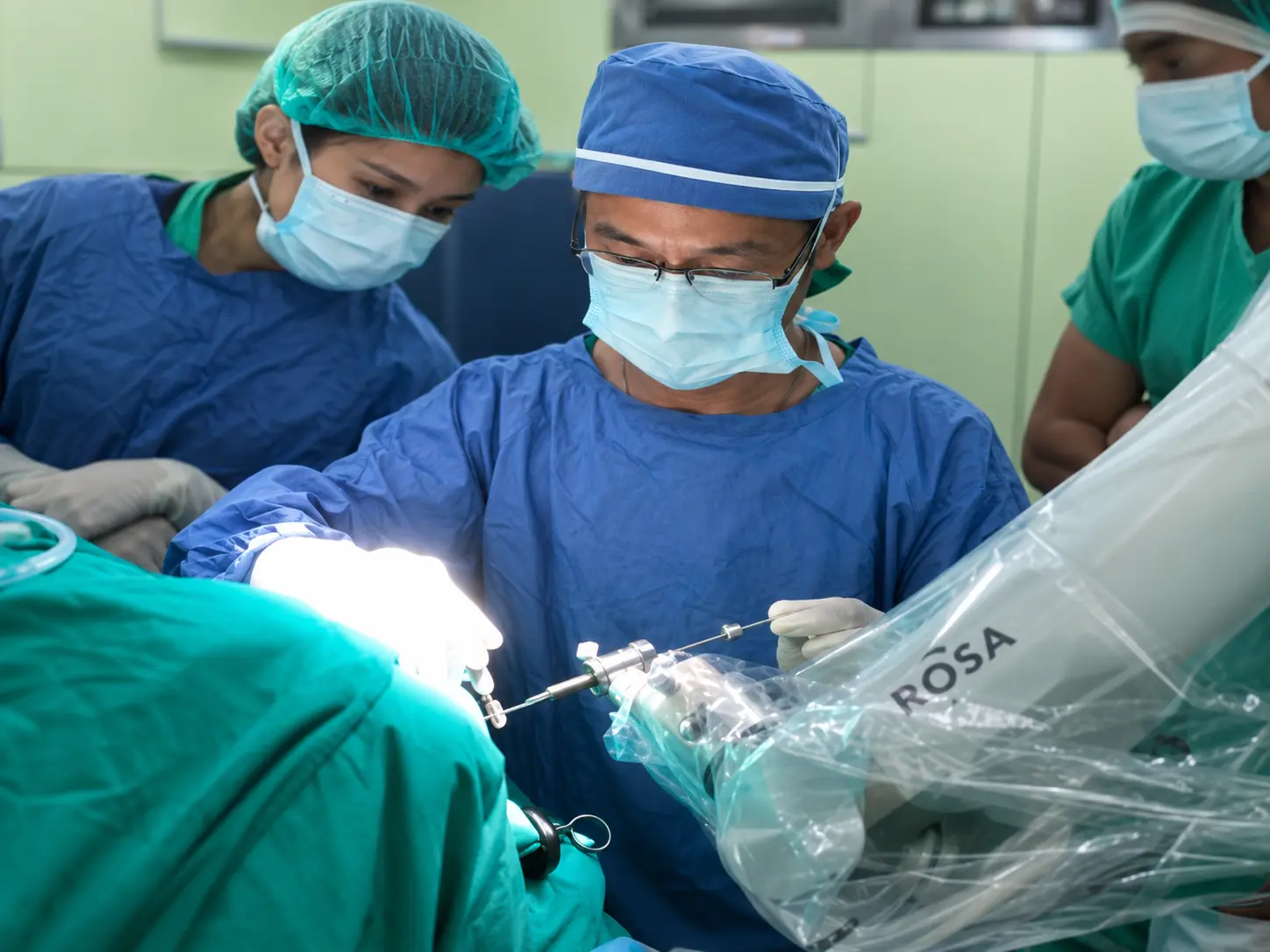
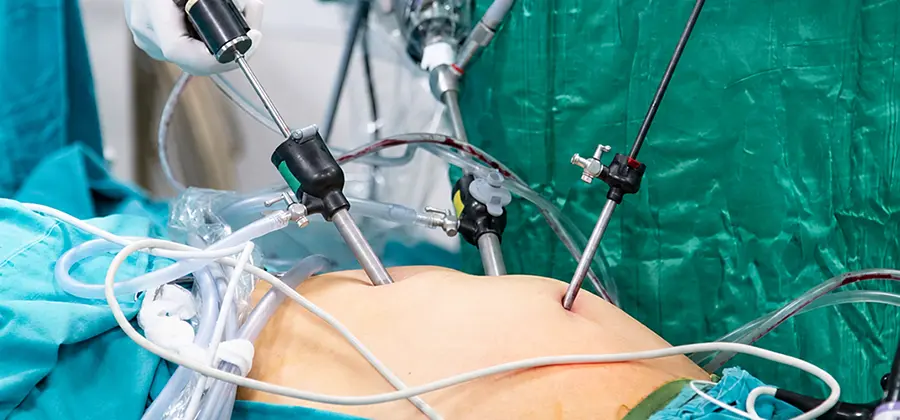
Minimally Invasive Interventional Tumor Therapy
Advanced Immunotherapy and Cell Therapy
II. Key Features and Highlights
Multidisciplinary Team (MDT)
Precision Medicine Center
Artificial Intelligence (AI)
III. Representative Processes and Innovative Practices
"One-Stop" Precision Treatment Process
Cancer Resource Center (CRC) Case Management
Palliative Care and Hospice Care
Established in January 2004, the Linkou Chang Gung Cancer Center is the largest cancer treatment hospital in Taiwan, ensuring high-quality cancer care and providing patients with the best treatment outcomes.
After three years of construction, it became Taiwan's first comprehensive medical center integrating hardware and software, focusing on patient-centered care. It officially opened in early 2007. The center sees over 10,000 new cancer diagnoses and treats approximately 630,000 patients annually, both ranking first in the country. The center also conducts approximately 59,655 cancer screenings annually (13,129 for colorectal cancer, 9,715 for breast cancer, 33,778 for cervical cancer, 1,058 for lung cancer, and 1,795 for oral cancer).
Chemotherapy drug safety management: Annual statistics on chemotherapy prescriptions, chemotherapy dispensing (including errors related to drug, dosage form, dosage, volume/dispensing method, etc.), chemotherapy administration, chemotherapy drug extravasation, and chemotherapy drug spillage showed no abnormal events.
Radiation Therapy Protocol Compliance Rate Radiation Therapy Policies and
Guidelines: 98.5% Radiation Therapy Record Completeness: 97.95%
Pathology Report Quality Monitoring Standard Cancer Specific Report Format Peer
Review: 100% Inconsistent Report (Review): 0.02%
Imaging Report Quality Monitoring Standard cancer-specific report format: 99%
Inconsistent report (reviewed): 0.19%
Based on the "Core Measure Indicators for Cancer Care Quality" established by the Health Promotion Administration, the results of each cancer indicator are regularly compiled and reported to the Health Promotion Administration. Each cancer team analyzes and reviews cases where the monitoring results of the indicators for that cancer do not meet the target values, and reports the effectiveness of the evaluation, review, and improvement at the Cancer Committee meeting.
Results of a 2015 Survey on Patient Satisfaction with Hospital Cancer Care Services:
Number of Questionnaires Distributed: 530; Number of Questionnaires Returned: 530; Number of Valid Questionnaires: 530 (A); Number of Incomplete (Invalid) Questionnaires: 0
Question 1. Who is your attending physician?
Answer 1: Yes: 100%
Question 2. Are you satisfied with the explanations of your condition and treatment provided by medical staff?
Answer 2: Very satisfied: 69.81%; Satisfied: 29.43%
Question 3. Who is your long-term case manager?
Answer 3: Yes: 100%
Question 4. How many times has your case manager proactively visited you (including phone calls) and provided related care services?
Answer 4: 1-3 times: 30.94%; 4-6 times: 29.25%; 7 times or more: 39.81%
Question 5. Are you satisfied with the case manager who is taking care of you?
Answer 5: 76.6% were very satisfied, and 23.4% were satisfied.
Feedback:
All large hospitals should be like Chang Gung Memorial Hospital, offering professional services, warm care, and compassionate medical staff to provide hope and support to patients and their families during their most difficult times!
The attending physician explained the condition clearly and in easy-to-understandly, provided professional treatment advice, and made full use of team resources, making the patient feel at ease.
"From surgery to treatment, I felt the care and warmth of the medical staff. Although I was sick, I knew I had a professional team to take care of me!"
Hematologic Malignancy Molecular Diagnostic Center: Led the development of standard treatment guidelines for acute and chronic myeloid leukemia and myeloproliferative malignancy in Taiwan.
The head and neck cancer team ranks first in the world in both the volume and quality of oral cancer services (741 patients/year) and survival rate publications.
2019 National Biotechnology and Medical Quality Award (Gold Medal)
Research findings were adopted to revise the AJCC T4b oral cancer definition, and most T4b cases (85%) are treated surgically, increasing the five-year survival rate by 30%.
The oral cancer treatment is accurate and recognized by the American Society for Radiation Oncology (ASTRO) journal, reducing the number of patients requiring postoperative radiotherapy (chemotherapy) by 30%.
The five-year survival rate is 10% higher than that of two top teams (Memorial Sloan Kettering and MD Anderson).
Cancer-Focused Medical Development Projects
Hematologic Malignancy Molecular Diagnostic Center
Established Taiwan's first internationally accredited (American College of Pathologists) hematologic malignancy molecular diagnostic laboratory.
• Received the Silver Award at the 2015 National Biotechnology and Medical Quality Awards (Gold Award not awarded).
Certified by the US MDS Foundation as a Center of Excellence for the Diagnosis and Treatment of Myelodysplastic Syndrome.
Led the development of standard treatment guidelines for acute and chronic myeloid leukemia and myeloproliferative malignancies in Taiwan.
Provides molecular testing services for hematologic malignancy patients to 35 hospitals nationwide.
Established a comprehensive quantitative technology for trace residual hematologic malignancies and applied it to be the first nationwide to guide treatment plans for 74% of children with acute lymphoblastic leukemia in Taiwan using trace residual hematologic malignancy monitoring, improving relapse-free survival by 12%.