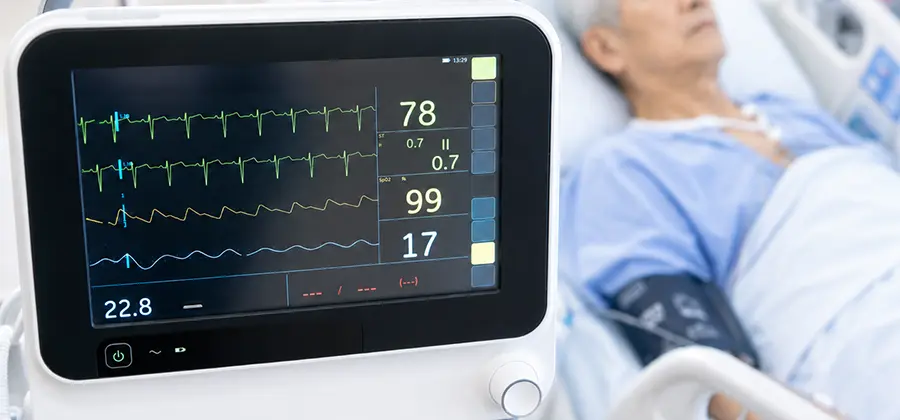
The common needs of the military medical units at all levels (including the Tri-Service General Hospital, military hospitals, the Tri-Service Medical Supply Office, the Coast Guard Administration).
The joint bidding project for military medical (inspection) supplies is led by the Tri-Service General Hospital, integrating the common needs of military medical units at all levels (including the Tri-Service General Hospital, military hospitals, the Tri-Service Medical Supply Office, the Coast Guard Administration, etc.) for unified procurement. Based on the principles of "centralized demand, joint bidding, shared contracts, and orders based on demand," the project aims to enhance procurement scale efficiency and operational flexibility, effectively reducing costs.
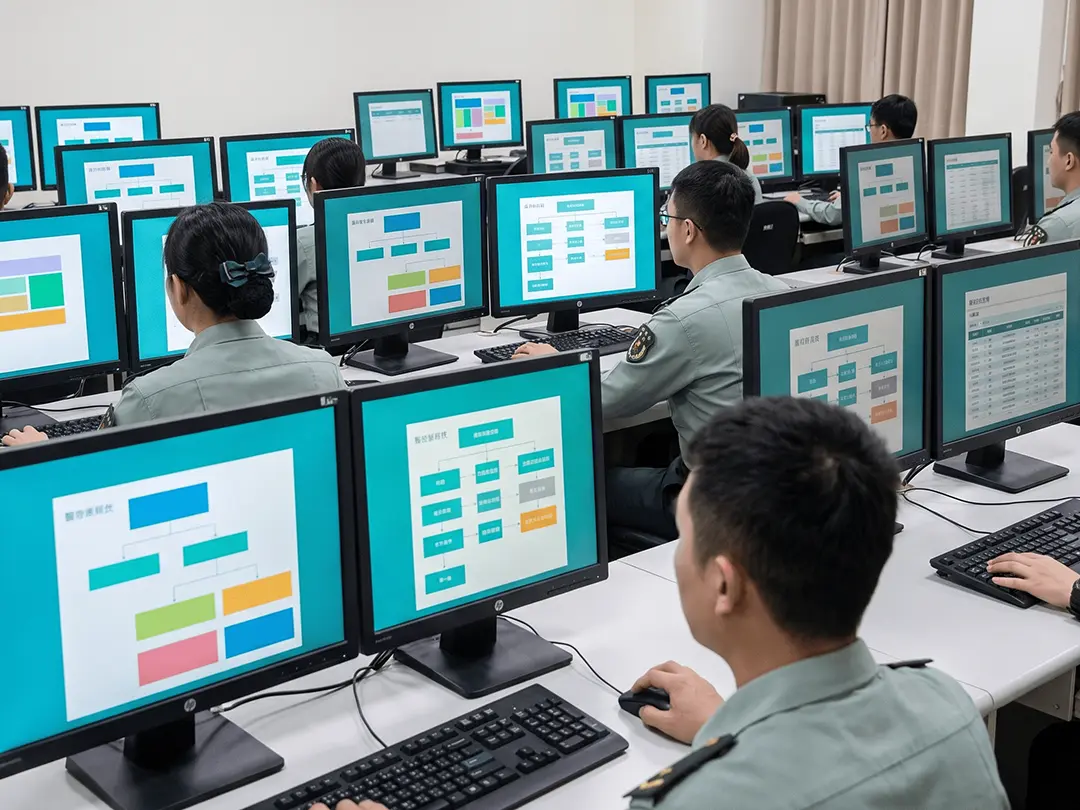
Taiwan's first-ever "full-process systematized" joint bidding information system: It builds modules such as "item consolidation, trial use of equivalent products, qualification review, electronic price reduction comparison, joint award decision, and contract signing," fully digitizing the process to improve efficiency, transparency, and traceability.
Taiwan's first-ever "full-process systematized" joint bidding system.
The largest in scale, with the strongest integration.
Execution resultssurpass previous years.
Consistent pricing and shared resources.
Expanding supply sources and supporting small and medium-sized enterprises.
Implementing ESG (Environmental, Social, and Governance) sustainability principles.
Standardization of systems and procedures.
A total of 2,875 procurement items have been awarded.
A total of 482 contracted vendors.
A total of 29 agencies are covered.
Each session saves up to 300 hours of labor.
The award rate reaches 86%.
The contract explicitly stipulates terms related to defective events to protect the interests of the applicable agencies.
In the event of defective products, the vendor is required to replace them with qualified products within a specified period.
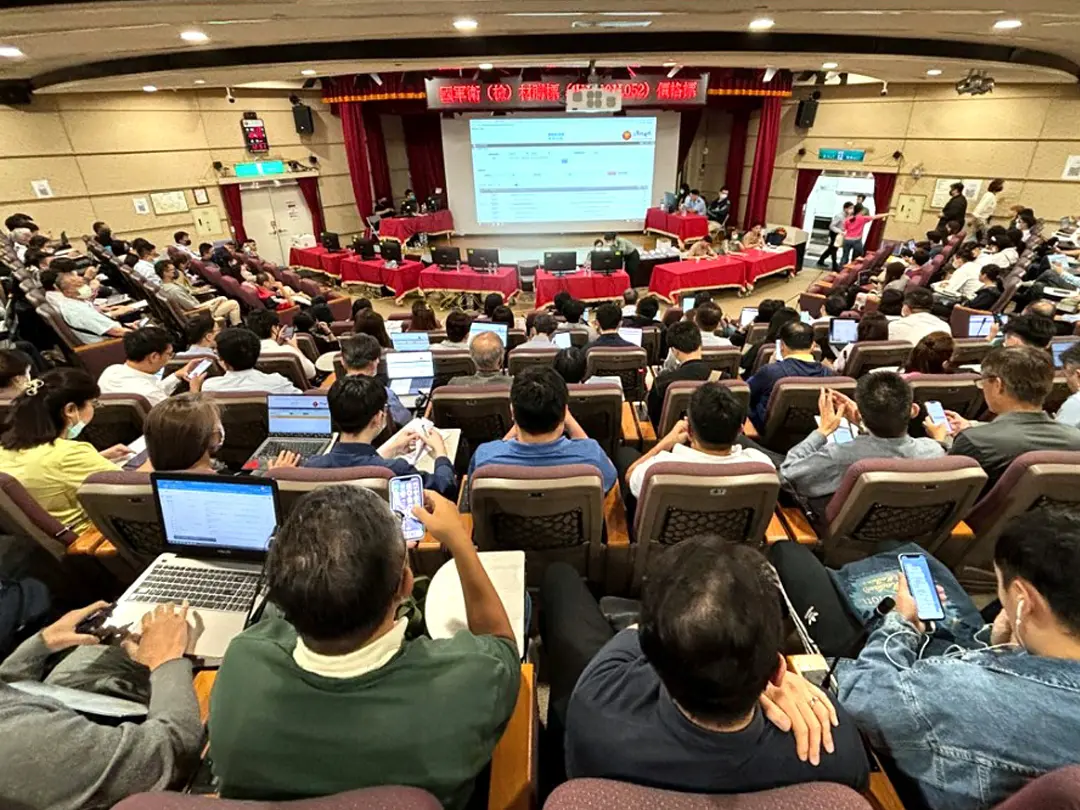
This is the first time the military medical joint bidding system has been used for procurement. After the bid opening, vendors were asked to assist in completing an anonymous satisfaction survey, with 96% of vendors expressing satisfaction.
Implementing sustainable procurement and ESG principles.
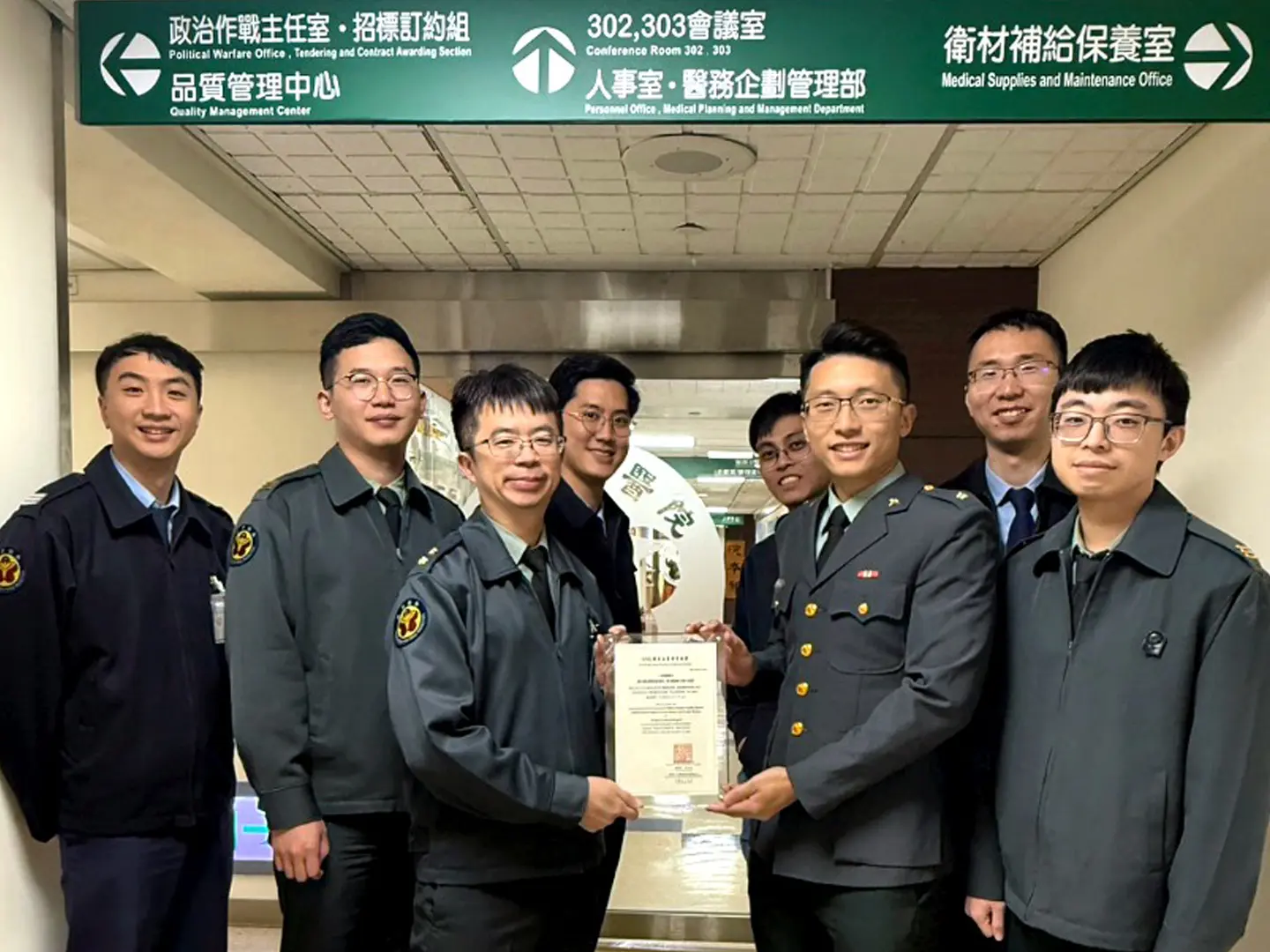
Accepted for poster presentation at the Taiwan Healthcare Quality Association.
Benchmark learning from external agencies.
The digitalized process enhances efficiency, transparency, and traceability, significantly saving labor hours.
Military hospitals in remote areas can access medical supplies at the same prices and standards as medical centers, achieving equity in healthcare resources.
Explicit terms related to defective events are stipulated, not only protecting the interests of the applicable agencies but also improving the safety of medical device use for patients.