93 residents of Longfatang (patients with mental illness): 87 (96%) were diagnosed in psychiatry with schizophrenia, 2 (2%) with substance-induced psychosis, and 2 (2%) with dementia.
For decades, Longfa Tang treated individuals with mental illness using methods inconsistent with modern psychiatric care, including the use of chains and other forms of physical restraint. Through the collaboration between the Kaohsiung City Government and the Chang Gung Medical Foundation, these long-isolated residents were finally transferred away from the epidemic-stricken environment and admitted to our hospital’s building symbolized by the image of a soaring phoenix. There, they began receiving modern, multidisciplinary, and holistic medical and psychiatric care that emphasizes dignity, humanity, and comprehensive treatment.
Providing one-stop, holistic care at the standard of a medical center
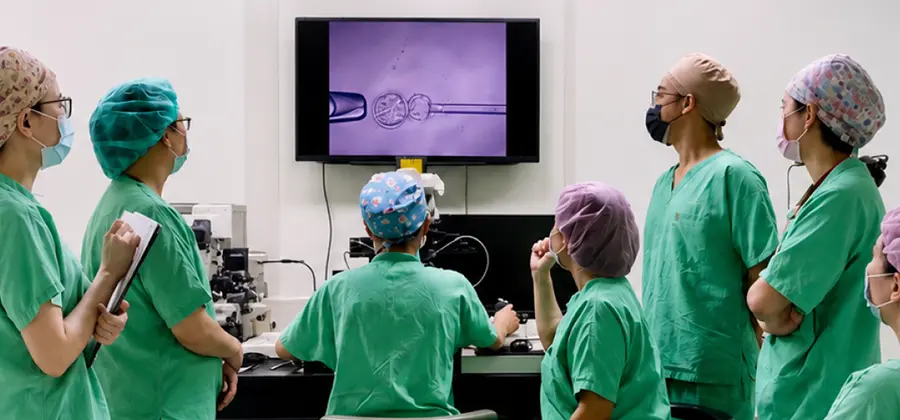
Delivering multidisciplinary and cross-departmental treatment
Proactive collaboration between the hospital and public sectors
Systematic planning of treatment phases and rehabilitation goals for patients
Patient-centered integrated care addressing physical, psychological, and spiritual needs
Promoting reintegration into society through a strengths-based rehabilitation approach
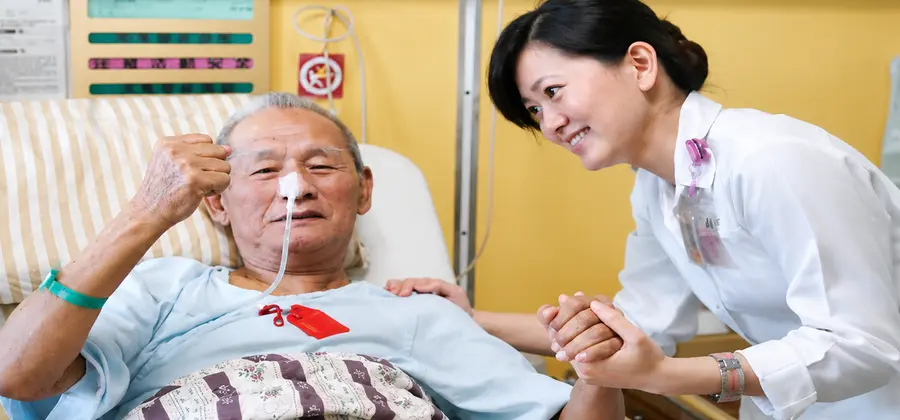
Upholding people-centered and compassionate care
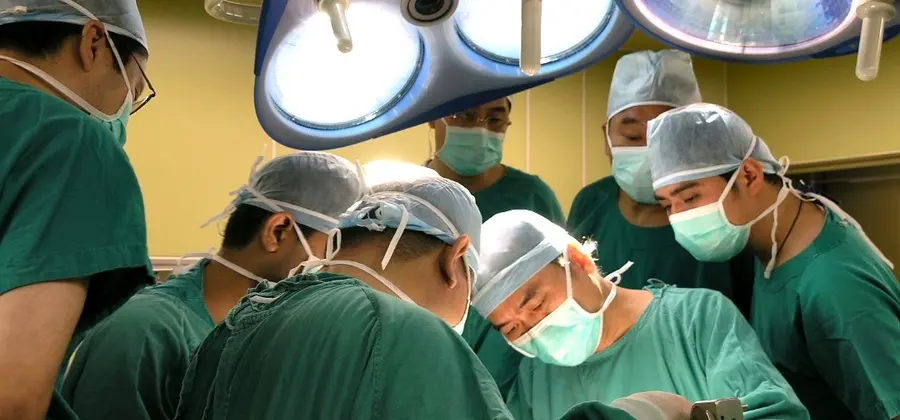
Proactively organizing medical teams to ensure rapid response and intervention
93 patients were admitted to our hospital
Staffing expansion included 21 nurses, 8 nursing assistants, 1 social worker, 2 psychologists, and 2 occupational therapists
Ward establishment: a 24-bed acute psychiatric ward and a 46-bed chronic psychiatric ward
Two family informational meetings were held, with attendance rates of 25% and 29.3%, respectively
Eight multidisciplinary case conferences were conducted
Referral and placement services were arranged for 52 patients, with 106 telephone and in-person follow-up services provided
Social welfare services reached a total of 105 service encounters, assisting 93 patients, achieving a 100% completion rate
From April 2018 to July 2019, a total of 61 service encounters were provided
Overall psychiatric symptoms showed significant improvement following medical treatment
Patients’ self-care abilities improved through nursing interventions
Family participation and engagement increased through social work services
Social and occupational functioning improved through occupational therapy interventions
Cognitive functioning improved through psychological interventions
Stool examinations identified Blastocystis infection in 32 patients (34.4%); 29 patients received metronidazole treatment
Interferon-Gamma Release Assay (IGRA) was positive in 15 patients (16.1%), all of whom received 3HP treatment for latent tuberculosis infection
Hepatitis A infection was identified in 78 patients (83.9%), hepatitis B carrier status in 10 patients (10.8%), and hepatitis C infection in 8 patients (8.6%)
Twenty-two patients underwent abdominal ultrasonography; 18 showed abnormalities and all received further evaluation and follow-up management
Family visitation rates increased from 8 visits (9%) in January 2018 to 17 visits (41%) in July 2019, representing a 32% increase
Willingness to cooperate with placement applications increased from 19 patients (37%) in July 2018 to 22 patients (54%) in July 2019, representing a 17% increase
A total of 97 residents at Longfa Tang died over the past eight years
Since the transfer of residents, 13 patients in other hospitals have died over nearly two years of follow-up
To date, no patient deaths have occurred in our hospital
Incidents of foreign-body choking, physical aggression, and suicide attempts have been extremely rare or nearly absent
During the treatment period, patients showed a significant reduction in negative psychiatric symptoms. Their self-care ability, nutritional status, cognitive function, occupational functioning, and family functioning all improved significantly. Patients who had been institutionalized for less than 10 years demonstrated more pronounced improvements in psychiatric symptoms, self-care ability, nutritional status, and cognitive function.
We integrated globally rare, long-untreated patients with chronic psychiatric disorders into modern psychiatric care. We discovered that despite years of untreated illness, patients can achieve substantial progress when provided with comprehensive biomedical and psychosocial interventions. This approach entails not only managing their physical health but also administering next-generation antipsychotics, complemented by relevant psychotherapy, family intervention, and occupational rehabilitation. Our findings have been published in the Journal of the Formosan Medical Association, a prominent international SCI journal.
Contemporary psychiatric intervention for chronic schizophrenia patients incarcerated in a religious asylum in Taiwan. J Formos Med Assoc. 2021 Aug;120(8):1620-1626.
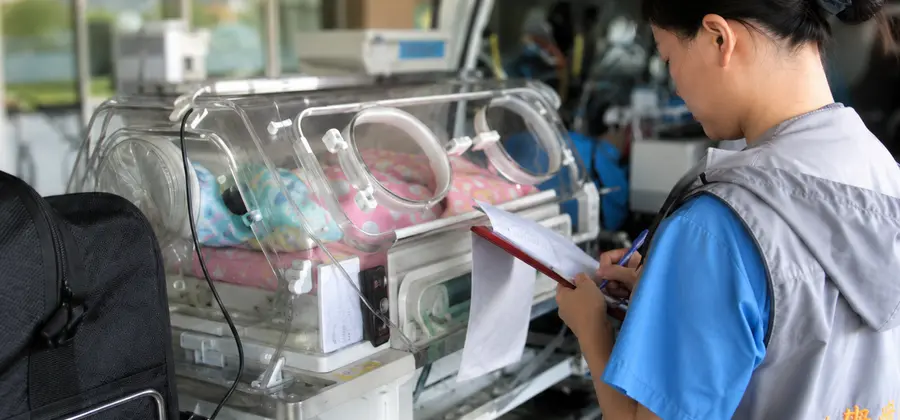
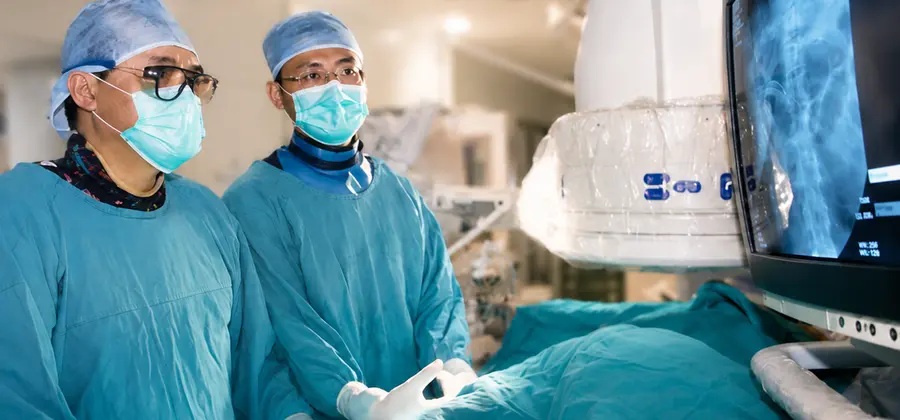
Medical specialists from various disciplines entered the epidemic-stricken area to provide treatment for physical illnesses
Through multidisciplinary teamwork, patients received rehabilitation training aimed at reintegration into society
By bridging the community and the hospital, patients were able to break free from isolation and begin a new life
Interpersonal interaction through participating in night market vending activities
Self-expression through Christmas choir performances
Experiencing real-world social participation through neighborhood chief elections
Physical training through participation in sports competitions
Opening personal post office accounts independently to facilitate community reintegration
Holding family informational meetings to promote family reconnection and social reintegration
Transitioning patients to long-term care facilities with continued follow-up visits and support