Radionuclide therapy patients
Radiation injury patients
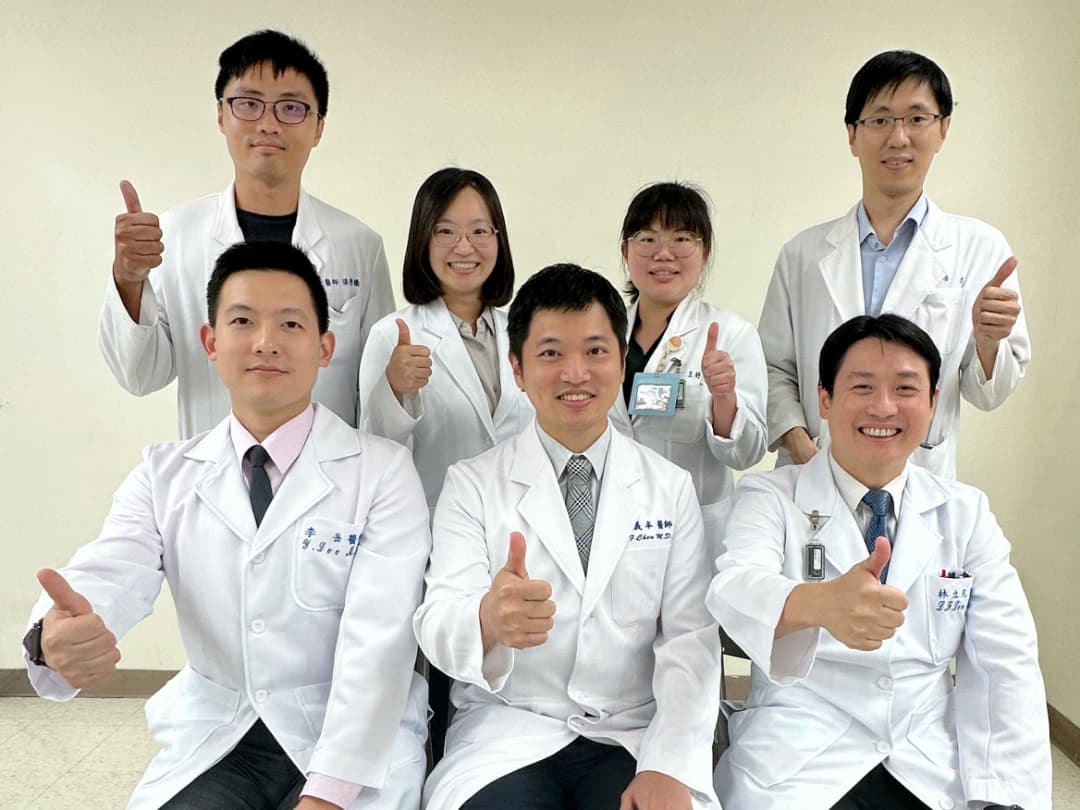
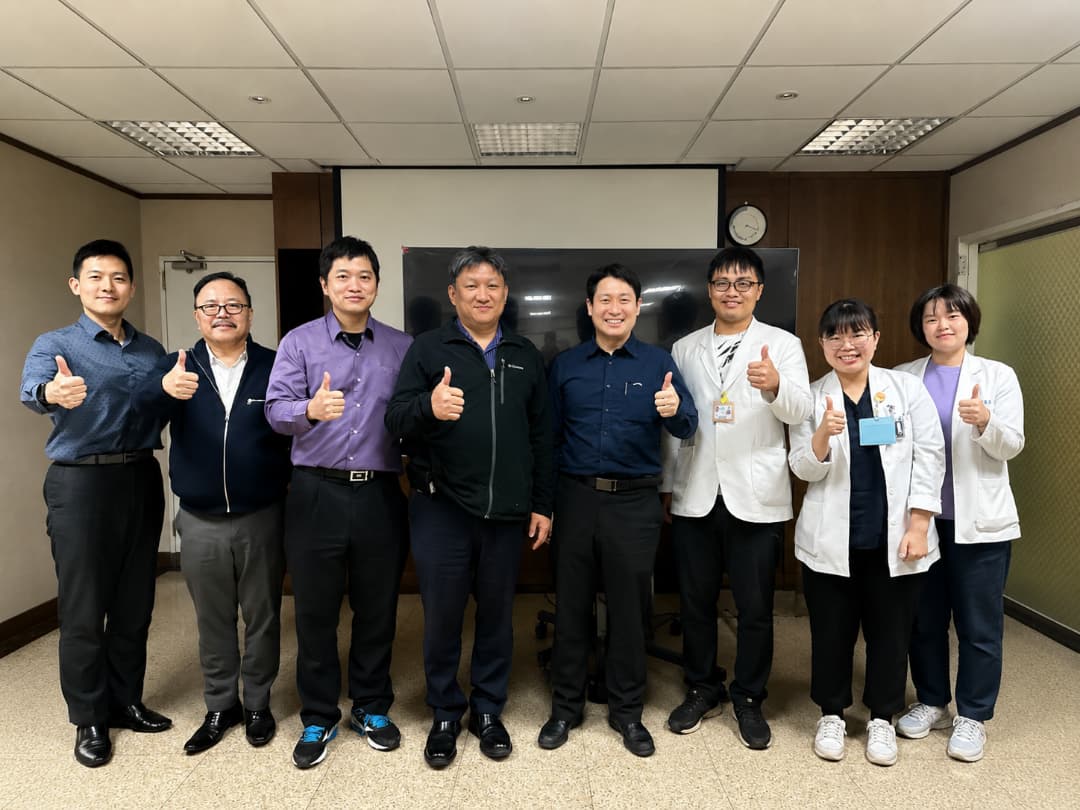
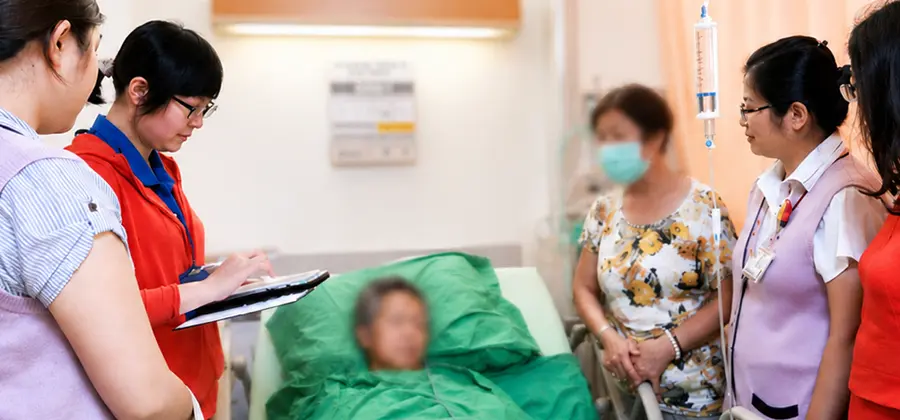
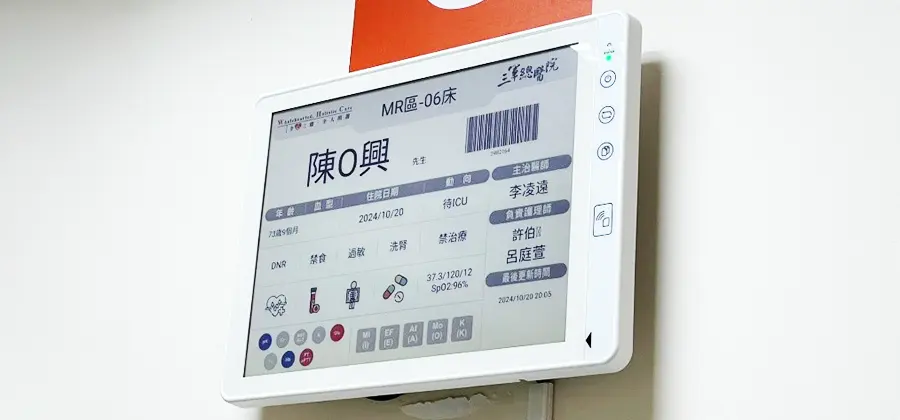
Since its establishment in 2001, the Radiation Injury Protection Center at Tri-Service General Hospital has focused on radiation disaster response and patient care. The center has isolation rooms that also serve as the "Radionuclide Therapy Ward," providing iodine-131 radiation therapy services. With the advancement of medical technology, the ward has performed radioligand therapy for neuroendocrine tumors and prostate cancer, equipped with advanced radiation protection facilities to effectively reduce radiation exposure risks to medical staff, family and the community. Tri-Service General Hospital’s Radionuclide Therapy Ward, with its professional team, equipment, and well-established management processes, continues to provide high-quality, low-risk nuclear medicine treatments, safeguarding public health.
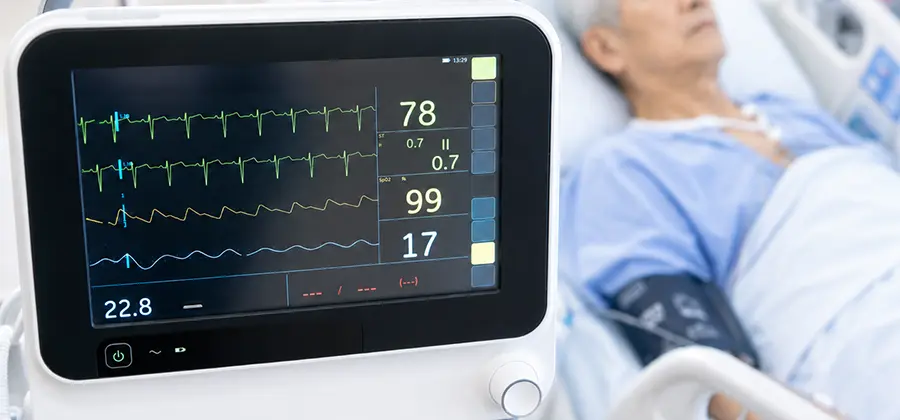
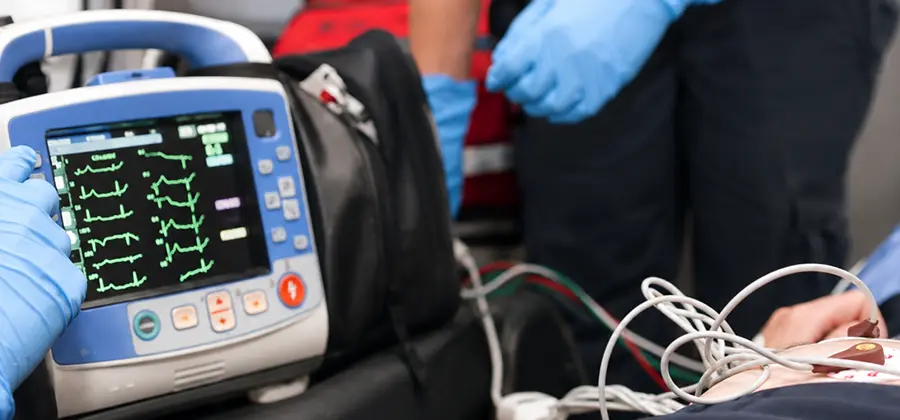
The ward is equipped with a "real-time monitoring and patient release system," which tracks radiation intensity during the patient's treatment.
Biokinetic models are used to predict the metabolism of radioactive iodine and external radiation doses.
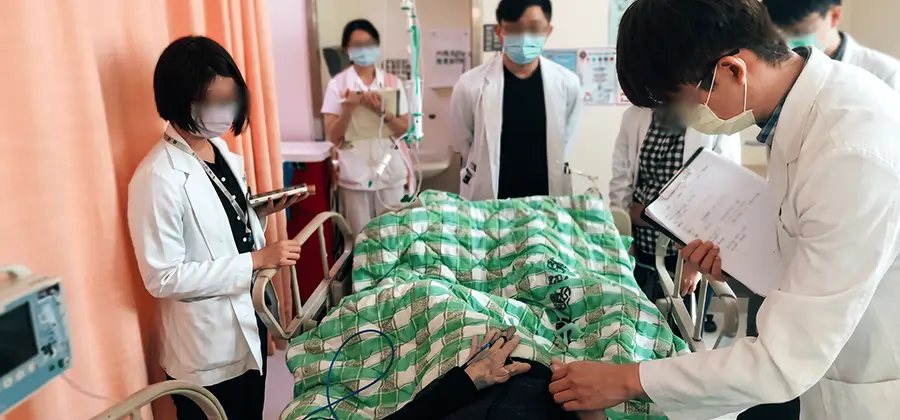
Before discharge, the medical team conducts a comprehensive radiation dose analysis and record, providing individualized radiation protection education to help patients implement appropriate safety measures in daily life.
The average number of patients treated with radioactive iodine for thyroid cancer is 10 per month.
The planned number of patients for peptide receptor radionuclide therapy for neuroendocrine tumors is 12.
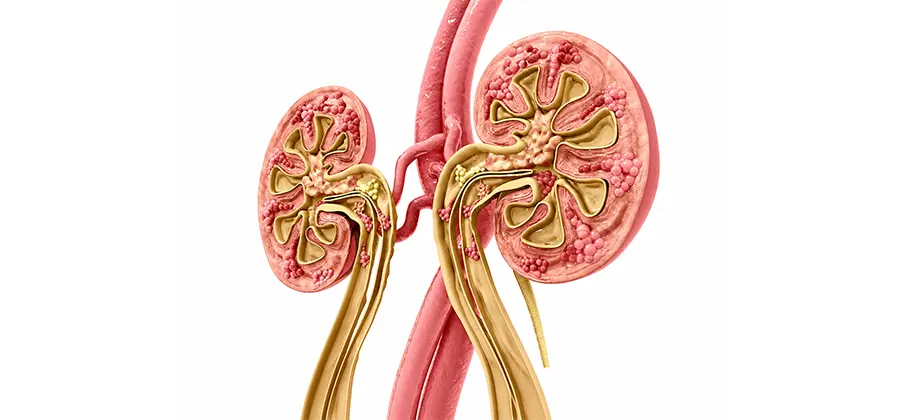
The planned number of patients for prostate-specific membrane antigen (PSMA)-targeted radionuclide therapy is 4.
In collaboration with our thyroid cancer treatment team, we have effectively improved the prognosis of thyroid cancer patients (97.48%).
The external radiation release doses meet the discharge standards(100%).
Based on real-time monitoring data, individualized education is provided to ensure public safety.
The overall patient satisfaction survey shows a satisfaction rate of 95%.
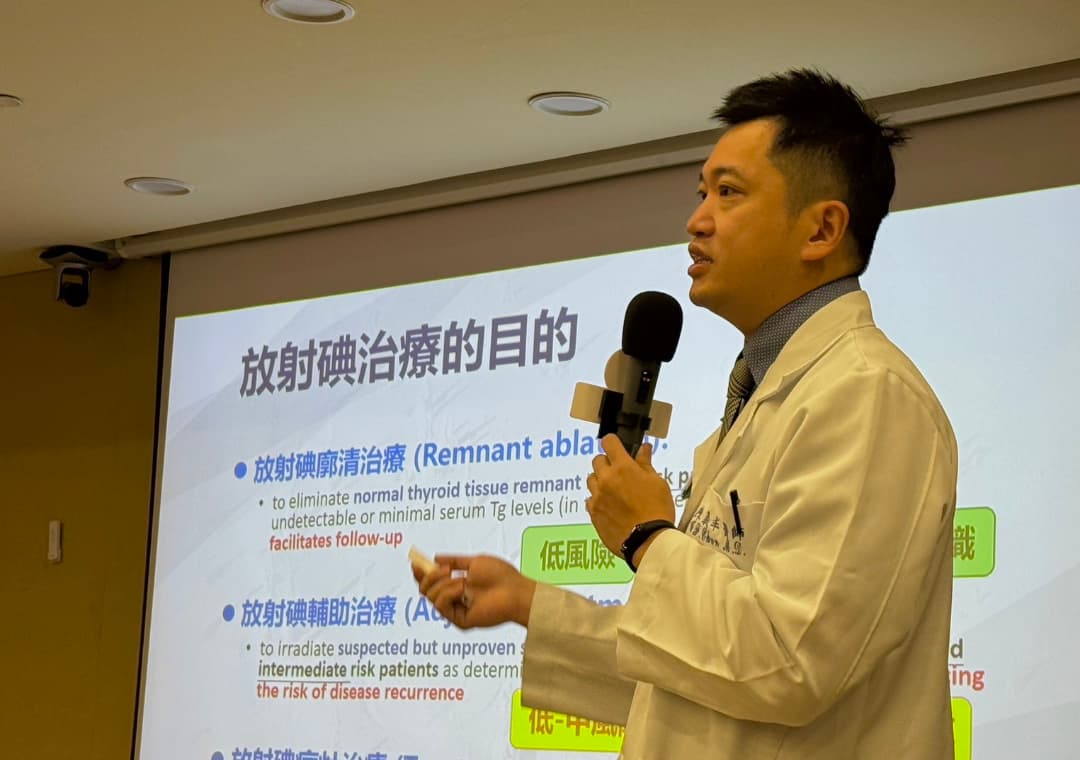
Participated in more than 5 international and domestic presentations, and published 3 academic papers.
Improve clinical treatment outcomes and patient survival rates for thyroid cancer, neuroendocrine tumors, and prostate cancer.
Provide individualized radiation protection and lifestyle recommendations to enhance quality of patient care.