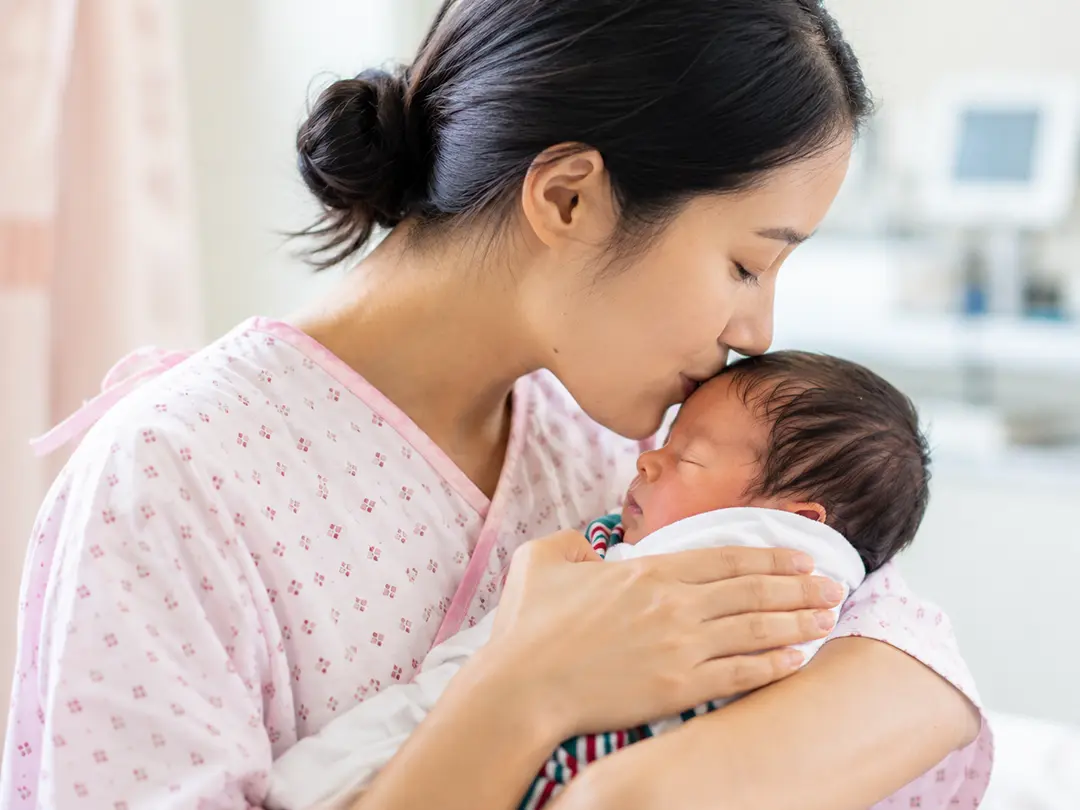
Postpartum women
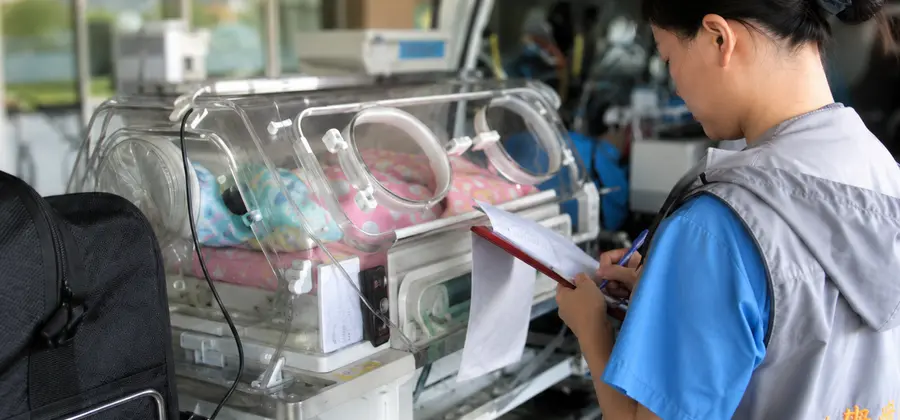
Newborn infants
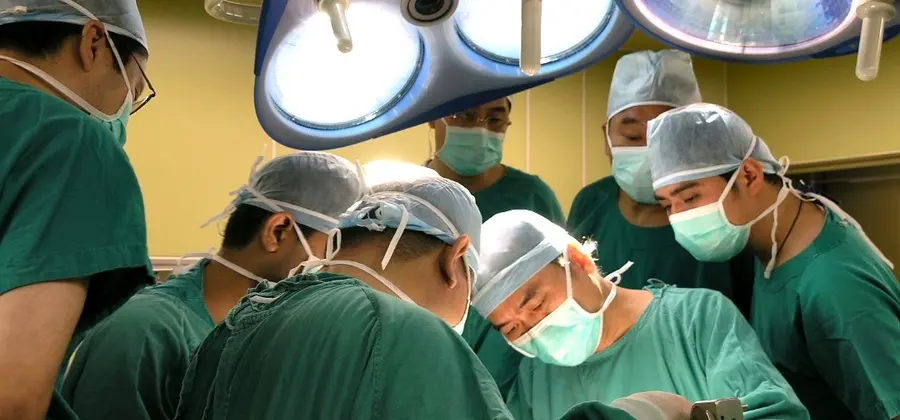
Critically ill newborns
New immigrant mothers
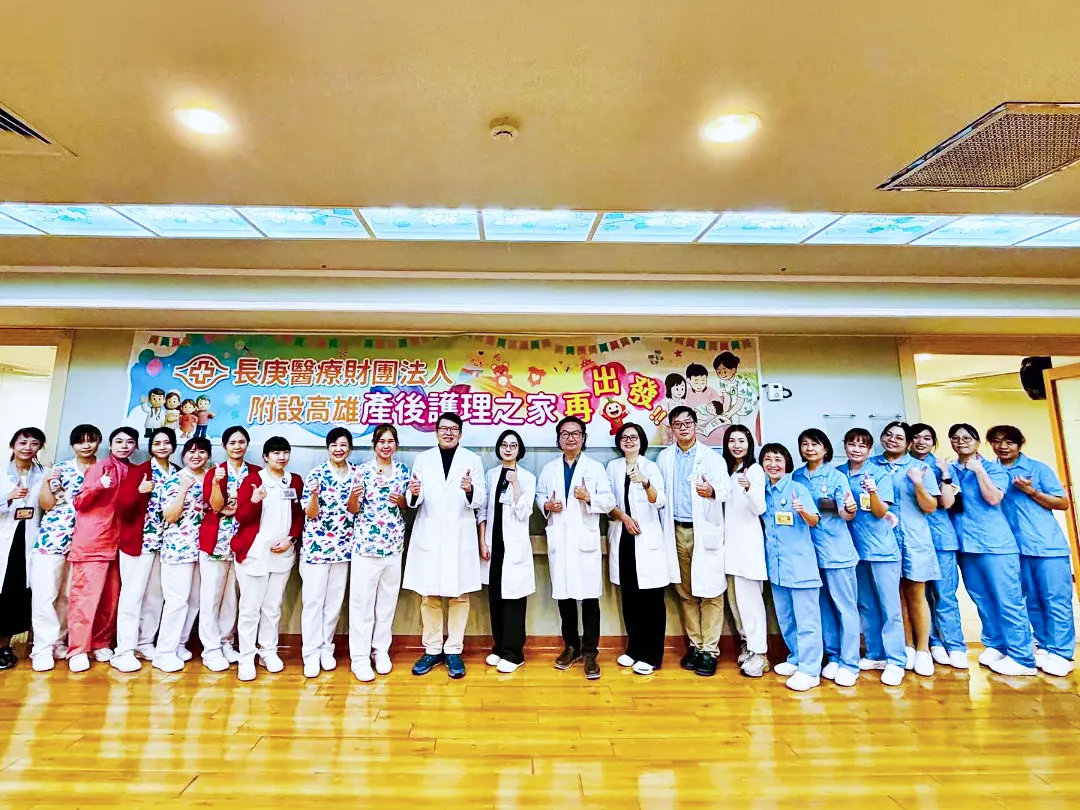
Guided by a mother- and infant-centered philosophy, we have established a seamless multidisciplinary care model that delivers compassionate, professional, warm, and patient-centered services. Through integrated teamwork, we strive to enhance maternal and infant safety, provide high-quality care, empower mothers and families with essential newborn care and parenting skills, and promote the health and well-being of mothers and newborns. In fulfilling our social responsibility, we ensure accessible, continuous, safe, and appropriate healthcare services for postpartum women and critically ill newborns. Established in 2000, the unit occupies an area of 450 ping (approximately 1,488 square meters) and overlooks the scenic Chengcing Lake. It features 24 comfortable family-centered postpartum suites and 24 neonatal bassinets, providing a warm and supportive environment for mothers and their infants.
Pioneered a seamless real-time caring and support service for postpartum women and their families.
Developed innovative and diversified educational programs, including the Postpartum Care Plan, Scenario-Based Simulation Teaching, and Parenting Skills Competitions (institutional innovation).
First in Taiwan to incorporate Traditional Chinese Medicine acupressure interventions to alleviate postpartum discomfort and musculoskeletal pain.
Introduced collaborative psychological support through consultations with psychiatric nursing specialists to promote maternal mental well-being (institutional innovation).
First in Taiwan to implement the Postpartum Handbook as a tool for maternal education, communication, and self-care management.
Established a needs assessment program for mothers of critically ill newborns to provide individualized and family-centered support (institutional innovation).
Received an “Outstanding Performance” rating in the National Postpartum Care Institution Accreditation and Evaluation Program in 2009 and 2010.
In 2011, the readmission rate among multiparous women was 48.3%.
In 2011, critically ill newborns accounted for 20.1% of admissions, with prematurity (48.5%) and neonatal jaundice (19.6%) being the most common diagnoses.
In 2011, a total of 48 immigrant mothers (9.9%) were admitted, the majority of whom were from Mainland China (81.3%).
In 2012, eight Parenting Skills Competitions were conducted.
In 2012, 16 postpartum women participated in the Traditional Chinese Medicine acupressure program; 37.5% reported shoulder pain and 62.5% reported lower back pain.
In 2012, 14 postpartum women received care from the psychiatric support team, with a mean depression score of 13.64 upon admission.
In 2012, 23 postpartum women participated in the Postpartum Handbook program.
In 2012, 59 mothers of critically ill newborns were enrolled in the Reassurance Care Program, with a mean needs assessment score of 3.99 upon admission.
In 2012, 77 postpartum women participated in the parenting skills education program for mothers of critically ill newborns.
Rooming-in rate: 16.4% at our institution.
Exclusive breastfeeding rate: 43.1% at our institution, exceeding the national average of 41.1% among Baby-Friendly Hospitals in Taiwan.
Overall breastfeeding rate: 99.0% at our institution, surpassing the national average of 95.9% among Baby-Friendly Hospitals in Taiwan.
Incidence of mastitis: 0.41% at our institution, significantly lower than the 9.5% reported internationally (Foxman et al., 2002).
Postpartum depression care outcomes at 3–4 weeks postpartum (depression score): 2.25 at our institution, lower than the 5.6 reported in Sweden (Seimyr et al., 2012).
Among immigrant mothers receiving the intervention, the mean depression score decreased from 13.5 to 2.9 (maximum score = 30), while the accuracy of newborn care skills reached 100%.
In the 2012 parenting skills education program for mothers of critically ill newborns, the accuracy of caregiving skills improved from 92.6% at admission to 100% before discharge.
Implemented an access control system with visitor registration and monitoring to ensure the safety and security of mothers and infants.
Established a newborn safety management system, utilizing identification wristbands and color-coded towels to distinguish male and female infants and prevent identification errors.
Conducted annual emergency preparedness and response drills to strengthen staff readiness and patient safety.
Equipped the facility with comprehensive physical assessment tools, emergency resuscitation equipment, wheelchairs, breastfeeding support devices, and other essential medical equipment, all subject to regular maintenance and inspection.
All staff members maintained valid certifications in basic life support and emergency care.
The Parenting Skills Competitions conducted in 2012 achieved an overall satisfaction rate of 98%.
The Postpartum Handbook program achieved an average satisfaction score of 4.3 out of 5 in 2012.
Participants rated the following aspects with a perfect score of 5 out of 5:
Helping mothers express postpartum concerns and difficulties.
Assisting mothers in problem-solving.
Providing emotional support and encourage
The incidence of mastitis was 0.41%, substantially lower than the 9.5% reported in the United States (Foxman et al., 2002).
The mean postpartum depression score was 2.25, lower than the reported score of 5.6 in Sweden (Seimyr et al., 2012).
Presented the study “Systematic Literature Review of Pediatric Pain Measures” at the Sigma Theta Tau International 23rd International Nursing Research Congress in 2012.
Recognized as a benchmarking model and received professional visits and exchanges from peer institutions, including Taizhou Enze Medical Center (Zhejiang, China), nursing leaders from Jiangsu Province, Xiangyun Group (China), faculty members from the Department of Midwifery at Fooyin University, the Department of Obstetrics and Gynecology at Ruan General Hospital, nurses from Sichuan Provincial People's Hospital, and the Department of Early Childhood Care and Education at Kun Shan University.
Received an “Outstanding Performance” rating in the National Postpartum Care Institution Accreditation and Evaluation Program for two consecutive years (2009–2010).
Produced numerous academic achievements, with presentations and publications at conferences organized by the Taiwan Nurses Association, the Joint Commission of Taiwan Healthcare Conference, and international nursing research conferences.
Postpartum women and their newborns successfully completed the postpartum care program and returned home in good health.