Pregnant women, high-risk pregnancies, premature infants, newborns
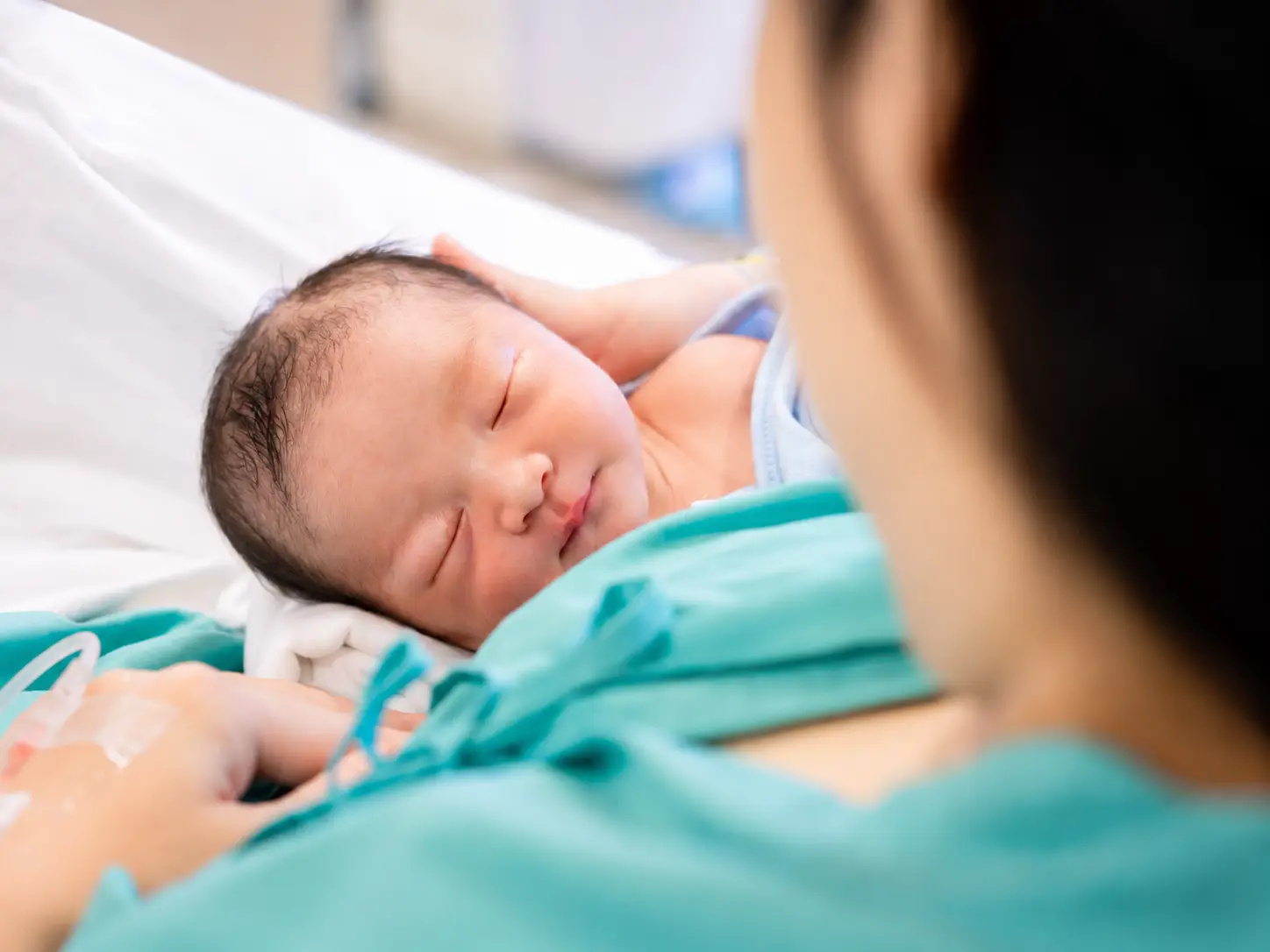
We utilize the BIRTH model (Belief, High-Technology, Relaxation, Innovation, Health Promotion, and Rapid) to provide high-quality maternal and child care, encompassing prenatal parental education, high-tech assisted maternal and child care throughout the pregnancy and childbirth period, happy childbirth, postpartum breastfeeding, high-risk pregnancy care management, rapid and safe delivery procedures, newborn health promotion, and postpartum care for those grieving the termination of pregnancy.
Belief: Multi-channel prenatal parenting education, including the Pregnancy Manager APP, e-education platform, and courses.
High-Technology: Pregnancy Manager self-management information feedback system, real-time labor progress recording, and information sharing.
Relaxation: Massage, music and activities, father's presence during childbirth, maternity care kit, nourishing soup, and healthy postpartum meals.
Innovation: Multi-support nursing pillow, patented nursing garments, midwife management for high-risk pregnancies, and pre-hospitalization care for postpartum trauma.
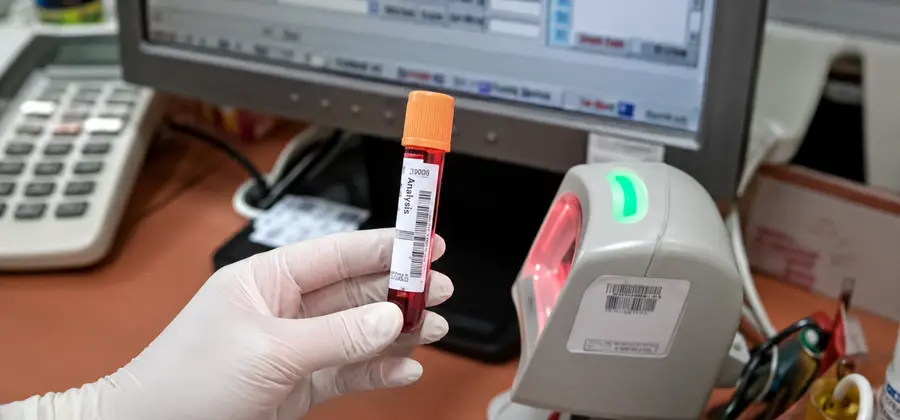
Health Promotion: Smart breast milk bank with barcode electronic identification, neonatal unit-based home care, and home visits for premature infants.
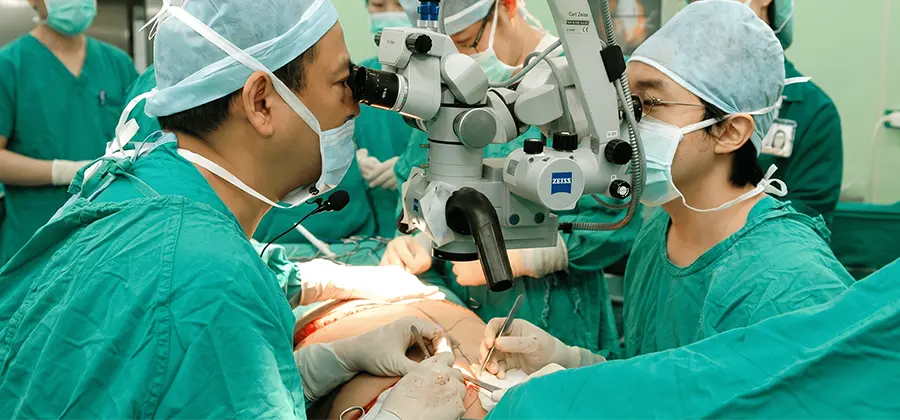
Rapid: Rapid triage in the delivery room, emergency cesarean section with newborn delivery within 10 minutes, and prevention of hypothermia in premature infants.
Number of births: 5058, the highest in the country
Number of pregnant women referred: 276/year
Number of high-risk pregnancies: 1300/year
Number of infants in the NICU: 744/year
Number of critically ill newborns transferred to other hospitals: 312/year
Nursing team: 294 people, 80.27% with a university degree or above, 82.31% with more than 2 years of work experience
Number of infants cared for to prevent hypothermia at birth: 295 in 2017, 577 in 2018, 756 in 2019
Number of pregnant women undergoing assessment for emotional distress during pregnancy maintenance: 328 in 2017, 538 in 2018, 559 in 2019
Number of pregnant women receiving steroid (alveolar maturation agent) injections: 328 in 2017, 538 in 2018, 559 in 2019 Number of follow-up phone calls with critically ill newborns: 733 in 2016, 781 in 2017, 789 in 2018, 827 in 2019
Number of home visits to premature infants at Linkou Chang Gung Memorial Hospital: 51 in 2015, 76 in 2016, 78 in 2017, 93 in 2018, 131 in 2019
Number of births served (>5,000 per year) and number of home visits for premature infants are the highest in the country.
Breastfeeding rate during hospitalization and postpartum depression screening rate are better than international standards.
Low maternal mortality rate, better than international and national standards.
Low mortality rate for premature infants weighing <1500 grams, better than international and national standards.
Breast milk waste rate decreased from 2.25% to 0.13%.
Linkou Chang Gung Memorial Hospital accounts for 73% (1172) of the national total for home visits for premature infants, compared to the remaining 27% (429).
Emergency cesarean section with newborn delivery within 10 minutes
Rapid triage in the delivery room
Early administration of alveolar maturation agents to premature mothers
Neonatal resuscitation and rapid clearance for transfer
Prevention of hypothermia in premature infants
Satisfaction rate for comprehensive prenatal and postpartum care guidance: 92%
Satisfaction rate for expectant fathers' presence and care during childbirth: 91.1%
Satisfaction rate for group health education for premature infants: >94.4%
Satisfaction rate for participation in breastfeeding support groups: 95.7%
Breastfeeding rate during hospitalization (83.9%) is better than international standards.
Postpartum depression screening rate (100%) is better than international standards.
Maternal mortality rate is better than international and national standards (0.05%).
Mortality rate of preterm infants weighing <1500 grams (10.9%) is better than international and national standards.
The breast milk rejection rate decreased from 2.25% to 0.13%, and barcode-based electronic identification was implemented.
In 2020, we participated in and promoted the compilation of the "Home Care Manual for Premature Infants" as part of national policy.
The number of premature infants receiving care to prevent hypothermia has increased year by year (295 in 2017 → 756 in 2019).
The number of follow-up phone calls to critically ill newborns has increased year by year.