Medical students (5th- and 6th‑year)
Junior physicians (PGY doctors and internal medicine residents)
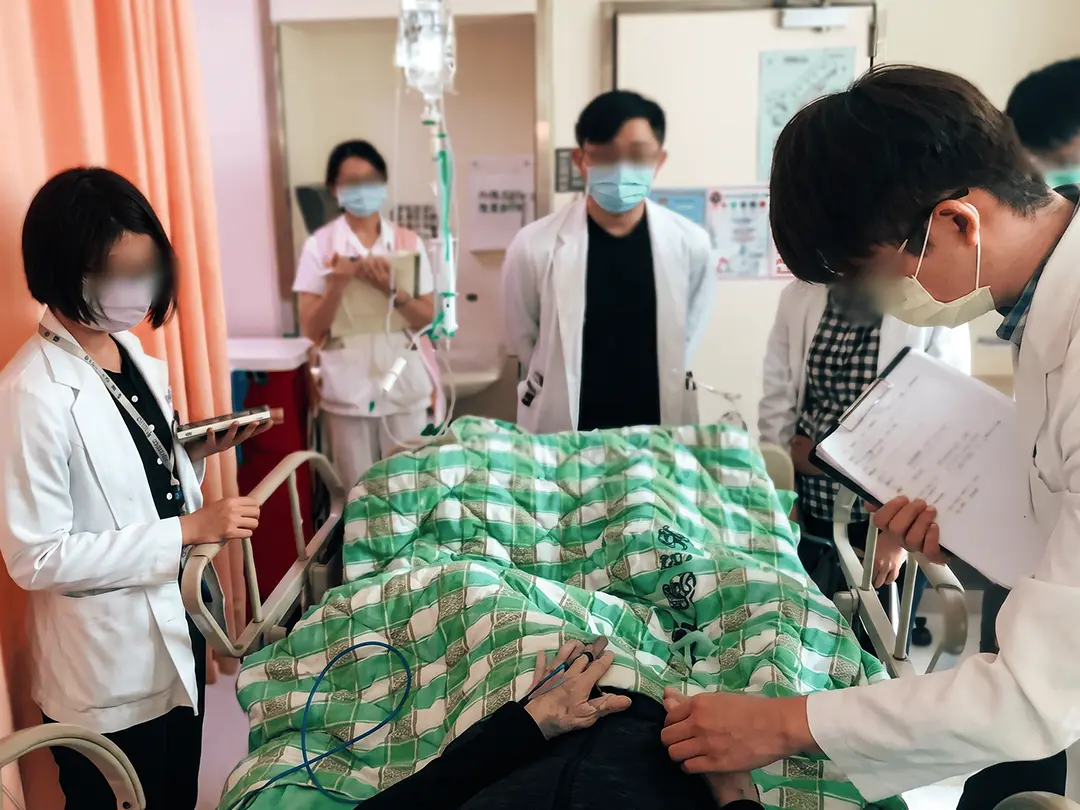
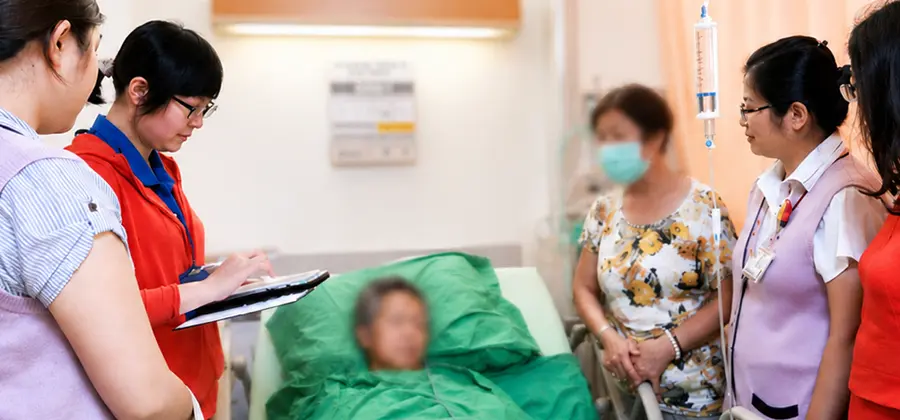
The Department of Rheumatology, Immunology, and Allergy at Tri-Service General Hospital has established specialized rheumatology lectures to improve physicians’ success rates in national board exams and specialty certification. These lectures, delivered by senior attending physicians, cover the latest research and clinical practices, while the Zuvio platform is used for pre-class assessments and post-class reviews to deepen learning outcomes. Physicians are also encouraged to publish journal articles, strengthening their research capabilities and fostering the integration of science and clinical practice to build an efficient medical team.
In addition, the department actively cultivates the role of physician-scientists, providing a platform to showcase academic achievements, with 18 SCI papers published in recent years. Through these initiatives, the department is committed to enhancing physicians’ professional competence and delivering higher-quality medical services to patients.
Looking ahead, the department envisions physician-scientists further integrating PD-1 → Treg → Breg immune regulation research, incorporating hydrogen-assisted therapy and three original therapeutic prediction indices—BRPI (Biological DMARD Prediction Index), JRPI (JAK inhibitor Response Prediction Index), and HRPI (Hydrogen Response Prediction Index). The goal is to establish an internationally influential “Taiwan Model” and open new horizons in physician-scientist training.
Establish a structured rheumatology and immunology lecture series by integrating the latest research with clinical case studies.
Use the Zuvio real‑time feedback system, pre‑/post‑tests, and satisfaction surveys to create a quantifiable teaching‑effectiveness evaluation process.
Develop 20 core e‑learning modules to support flexible, self‑directed learning.
Implement virtual patient systems and the SDM shared‑decision‑making platform to strengthen clinical reasoning and doctor‑patient communication.
Conduct cross‑disciplinary teaching (radiology, gastroenterology, dermatology) to enhance course depth and breadth.
Promote long‑term, structured education through a continuous course model and encourage learners to engage in research and academic publication
Courses offered: 35 sessions
Course duration: 12 months
Participants per session: approx. 21.6
Average pre‑/post‑test improvement: 16.8 points
Participating specialties: 4 disciplines
Average pre‑/post‑test improvement: 16.8 points
Participants per session: approximately 21.6
System adoption rate: 14 hospitals
Account security rate: 100% individual accounts
Anonymization rate: fully anonymous testing
Adverse event rate: 0 reported cases
Safety incident rate: 0 reported incidents
Post‑class satisfaction: >90%
Course participation rate: ~70%
Feedback completion rate: >80%
AMEE poster presentations for 8 years
Japan medical student exchange program
Virtual patient teaching showcased abroad
Ongoing cross‑country collaborations
Enhances clinical decision‑making and improves rheumatology care quality
Establishes standardized teaching processes that strengthen diagnostic and treatment consistency
Reduces training variability through cross‑disciplinary collaboration and case‑based learning
Ensures continuous competency improvement through measurable pre‑/post‑assessment
Supports sustainable medical education via e‑learning and virtual patient systems
Strengthens patient outcomes through improved communication and shared decision‑making
Cultivates physician‑scientists who advance medical research and global healthcare