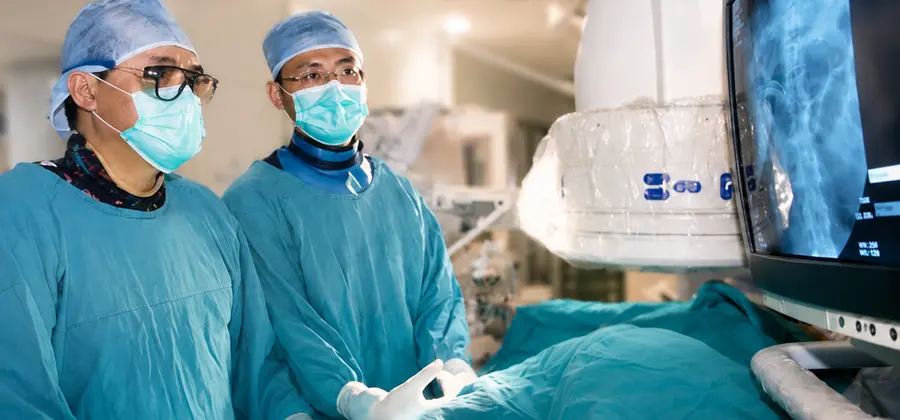
Acute Ischemic Stroke
Guided by the core philosophy of “Time is Brain – SPEED Pathway Care,” the stroke nursing team upholds the four fundamental values of efficiency, innovation, integration, and intelligence to establish a patient-centered stroke care model.
Through pre-hospital activation, real-time interdisciplinary communication, and streamlined care pathways, the team emphasizes rapid initiation of diagnostic and therapeutic decision-making within the therapeutic time window, with the primary goal of saving time and preserving brain tissue.
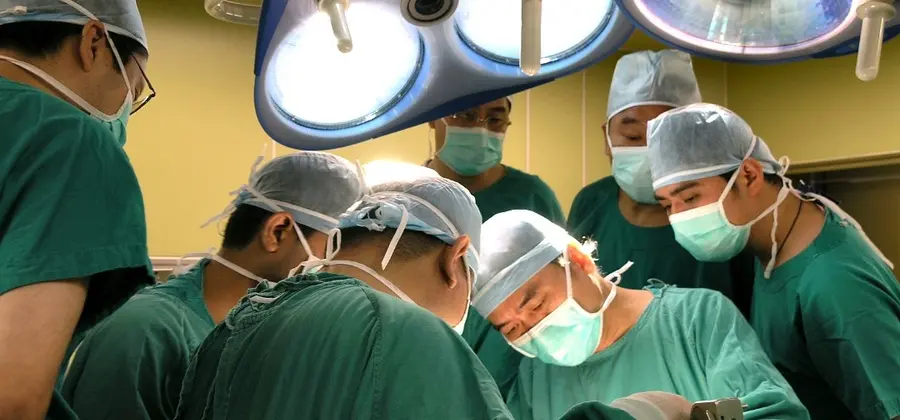
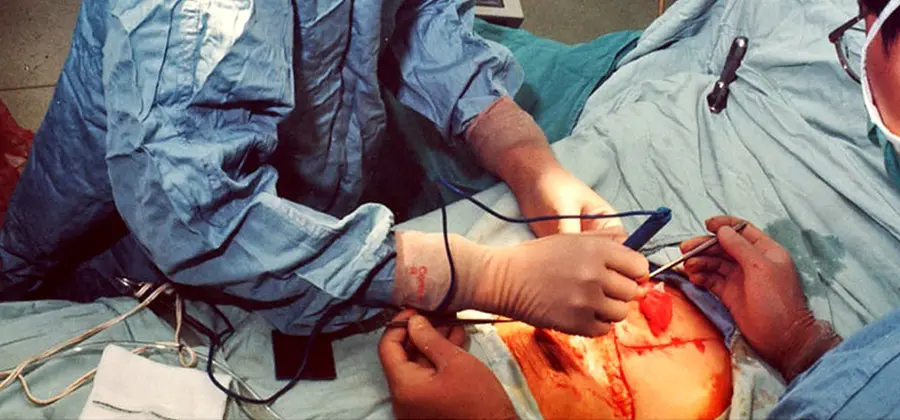
Across all phases of care, nursing professionals serve as key coordinators and executors, ensuring a safe, efficient, and seamless workflow for endovascular thrombectomy. In addition to accelerating treatment timelines while maintaining care quality and patient safety, the model integrates post-acute care coordination and secondary prevention strategies to reduce disability, prevent recurrent stroke, and promote functional recovery and quality of life.
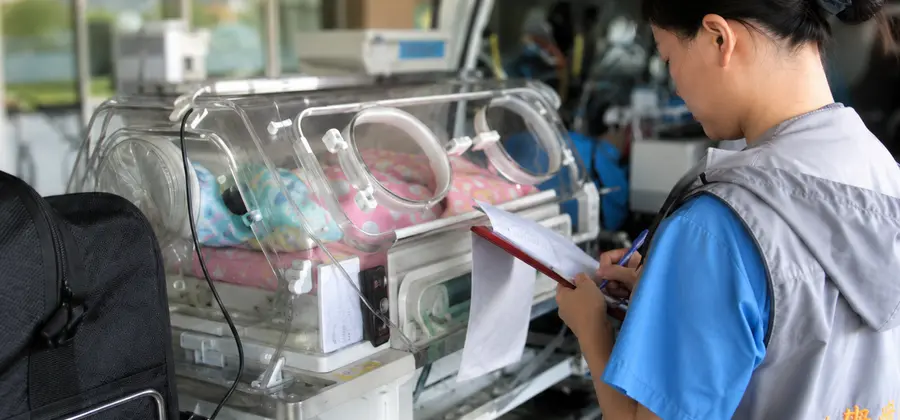
Based on the TeleStroke Network concept, the team developed a patented mobile medical referral management device integrating pre-hospital activation and GPS tracking to provide real-time decision support, enable precise early activation of the endovascular thrombectomy team, and significantly shorten critical in-hospital treatment time metrics.
With a strong emphasis on stroke risk factor management, the team designed a patented oral health assessment device to enhance oral functional rehabilitation and oral health, thereby reducing both the rate and duration of nasogastric tube placement. This innovation has further been extended to oral care assessment and application for home-based patients with disabilities, supporting long-term care and secondary stroke prevention.
A total of 13 hospitals participated in the regional referral network. 2.The mechanical thrombectomy referral platform facilitated the coordinated treatment of 193 patients.
Door-to-CTA time: 12.2 minutes (median) 2Door-to-puncture time: 83 minutes (median)
Two-year recurrent stroke rate among EVT patients: 3.2%
Rate of symptomatic intracranial hemorrhage within 36 hours after EVT: 2.6% 2.In-hospital pneumonia rate among EVT patients: 7.6% 3.Nasogastric tube removal rate at discharge: 95.1%
From 2023 to 2025, a total of 35 stroke prevention education sessions were conducted, achieving a 97% satisfaction rate
A total of 75 oral and poster presentations were delivered at stroke-related academic conferences.
Three research articles were published in SCI-indexed journals, with nursing professionals serving as the first author.
Eleven international healthcare professionals were trained through structured programs and professional exchange initiatives.
By integrating the regional emergency medical network, pre-hospital activation mechanisms were implemented to accelerate diagnostic and treatment workflows, shorten critical treatment times, and enhance the overall quality of care for acute ischemic stroke.
Stroke risk factor management was incorporated as a core component of care, with a focus on oral functional rehabilitation and oral health, to improve long-term care outcomes and quality of life, and to reduce the risk of recurrent stroke through secondary prevention.