Postpartum women with postpartum hemorrhage
Postpartum women referred from 24 affiliated network healthcare institutions in the Kaohsiung–Pingtung region
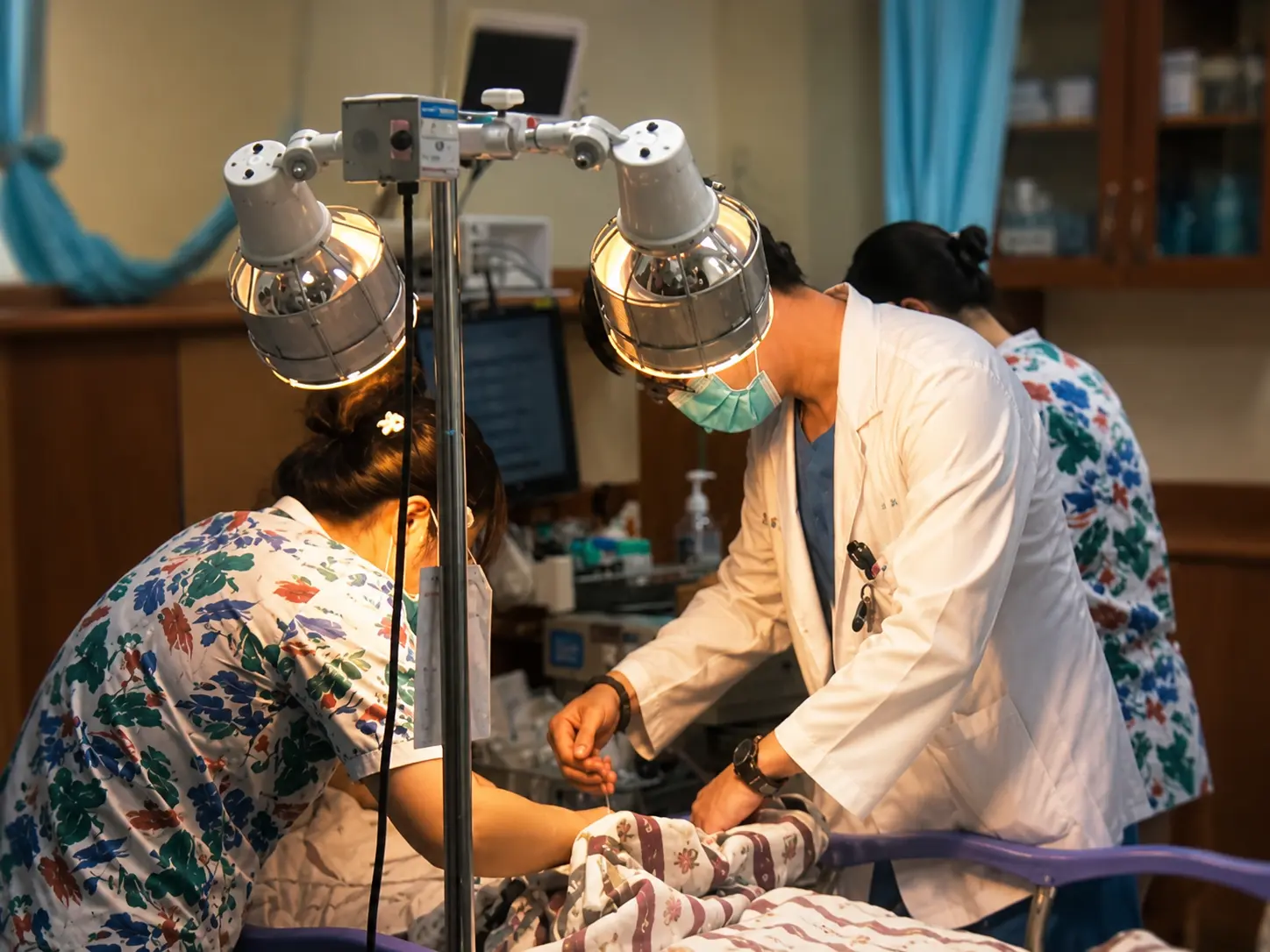
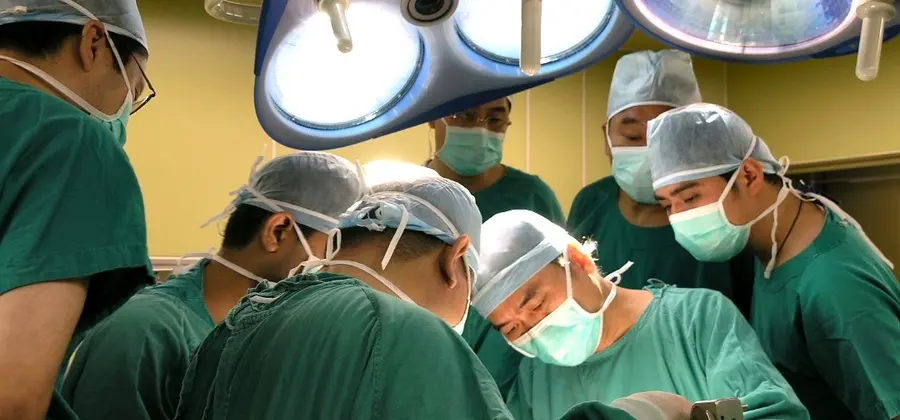
Guided by a holistic care approach, we integrate multidisciplinary teamwork to provide timely, comprehensive, high-quality, and safe care. In fulfilling our role as a medical center, our goals are to save the lives of women experiencing postpartum hemorrhage, preserve the uterus whenever possible, and maintain future reproductive potential. We also provide continuing care and follow-up services for women with postpartum hemorrhage referred from 24 network healthcare institutions across the Kaohsiung–Pingtung region.
Pioneering a pre-hospital care mechanism across network healthcare institutions
Activating immediate care through an integrated information system
Maximizing the golden hour to provide timely life-saving interventions
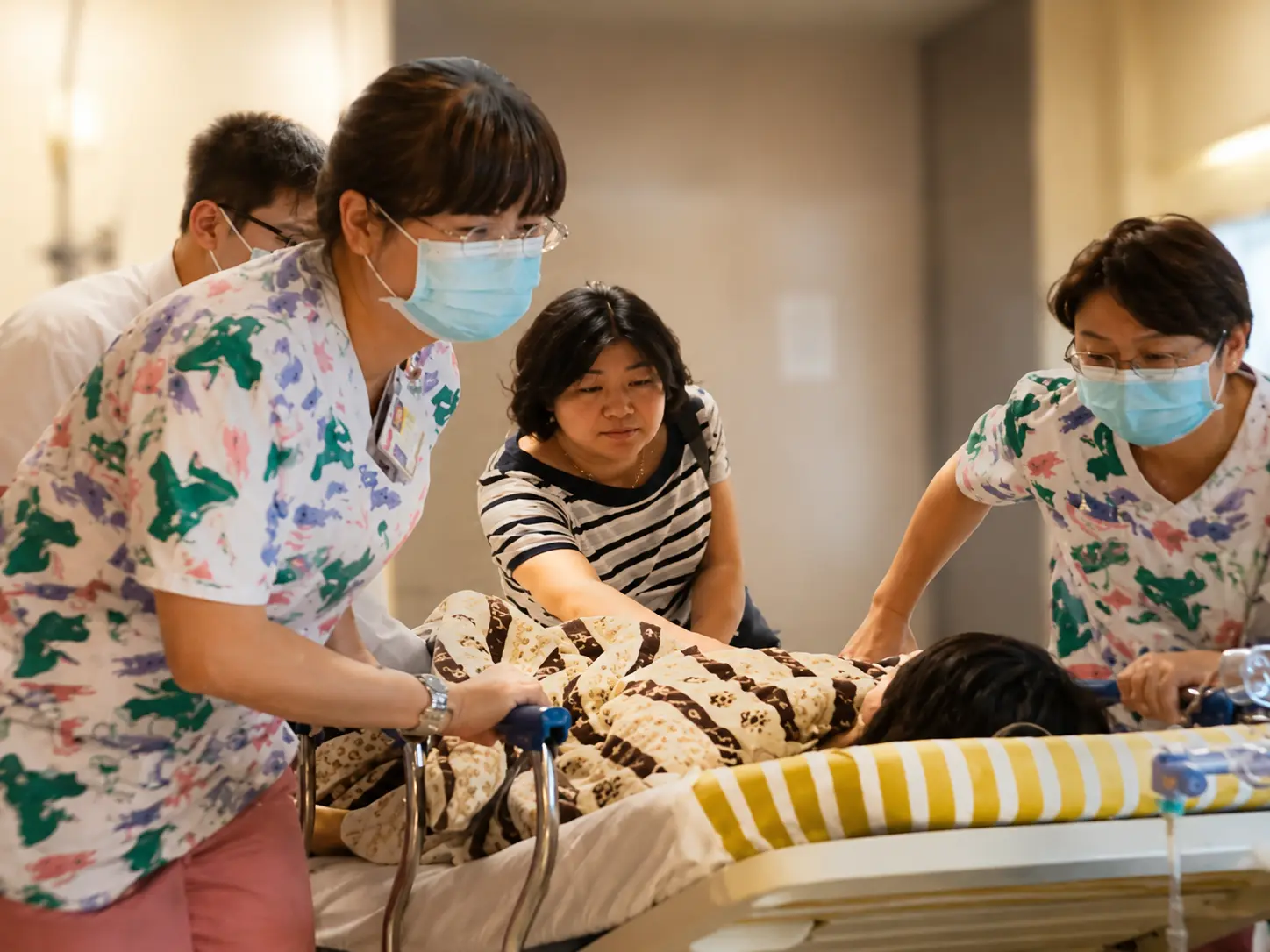
Establishing a streamlined emergency transportation pathway
Rapid integration with hospital information systems
Delivering individualized care through severity-based stratification
Providing high-quality, safe, and efficient laboratory and blood transfusion services
Offering compassionate and patient-centered maternal care
Seamlessly connecting information systems to support timely health education
Implementing time-critical management to ensure rapid response
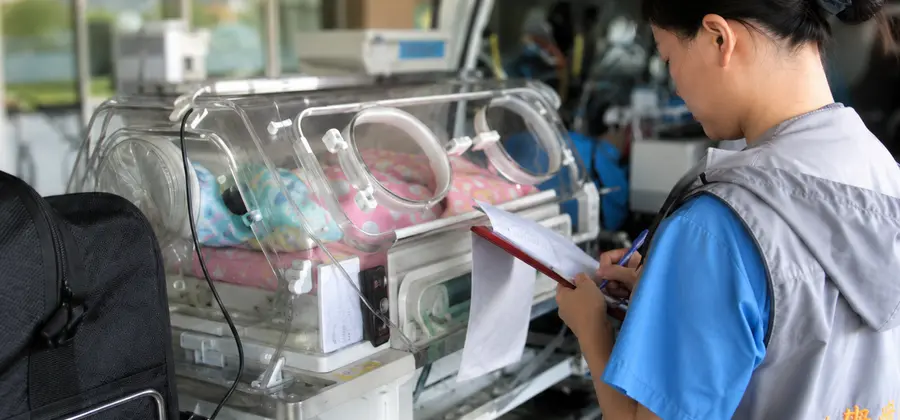
Safeguarding maternal safety during inter-facility transfer
Delivering advanced critical care for life-threatening conditions
A total of 82 women with postpartum hemorrhage received emergency care services between 2011 and March 2013.
The healthcare referral network included 24 affiliated institutions.
Between 2011 and March 2013, nursing staff completed 66 assessment and notification reports, among which prolonged coagulation time was the most frequently identified condition, accounting for 18 cases.
Physicians provided medical interventions in 47 cases (71.2%), while 19 cases (28.8%) were managed through observation and follow-up monitoring.
Average waiting time for transcatheter arterial embolization (TAE): 24.9 minutes
Success rate of transcatheter arterial embolization (TAE): 100%
Average turnaround time for laboratory testing:
Complete Blood Count (CBC): 26 minutes
Prothrombin Time/Activated Partial Thromboplastin Time (PT/APTT): 33.8 minutes
Average turnaround time for emergency blood transfusion:
Massive transfusion (critical emergency): 3.6 minutes
Emergency blood transfusion: 5.26 minutes
Intensive care unit (ICU) complication rate: 3.5%
Mixed feeding rate at 2 months postpartum: 44.7%
Between 2011 and March 2013, the complication rate among women with postpartum hemorrhage admitted to critical care units was 3.5%, which was lower than the reported rate in the United States.
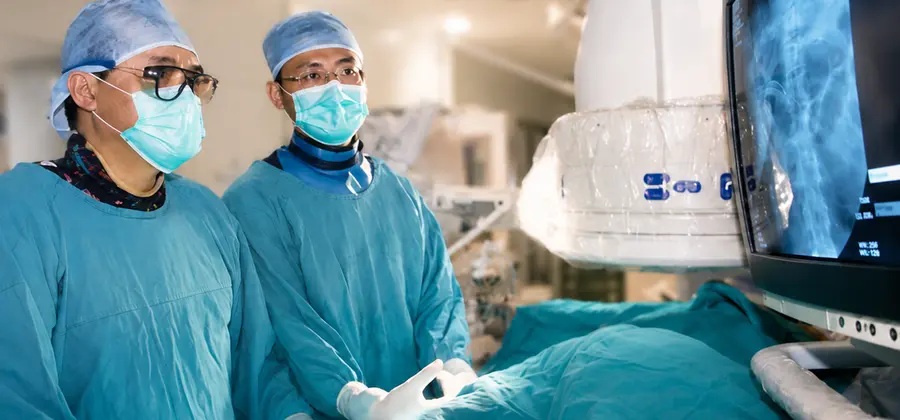
The time from arrival at the emergency department to initiation of transcatheter arterial embolization (TAE) was consistently maintained at less than 30 minutes, ensuring timely intervention and improved patient safety.
Patient satisfaction surveys regarding nursing care services consistently achieved scores above 94%.
Satisfaction among postpartum women, as assessed through post-discharge telephone follow-up, reached 93.6%.
A total of 72 group health education sessions were conducted in 2012, achieving a participant satisfaction rate of 92.4%.
The average waiting time for transcatheter arterial embolization (TAE) was 24.9 minutes, outperforming the European benchmark of 60 minutes.
The success rate of transcatheter arterial embolization (TAE) reached 100%, exceeding the reported success rate of 95% in the United States.
Laboratory turnaround times for Complete Blood Count (CBC) (26 minutes) and PT/APTT (33.8 minutes) were both well below the 60-minute threshold recommended by the College of American Pathologists (CAP).
The average turnaround time for critical emergency blood transfusion was 3.6 minutes, and 5.26 minutes for emergency blood transfusion, both significantly outperforming the World Health Organization (WHO) benchmark of blood availability within 60 minutes.
The complication rate among patients admitted to intensive care units was 3.5%, lower than the reported rate of 4.5% in the United States.
The program has been recognized as a benchmarking model and has received visits for academic exchange and benchmarking from domestic and international institutions, including Shanghai Renji Hospital and Japan Nursing University.
Provided ongoing care and follow-up services for women with postpartum hemorrhage referred from 24 network healthcare institutions across the Kaohsiung–Pingtung region.
Achieved a 100% success rate in the rescue and management of postpartum hemorrhage cases.
Pioneered the development of a Postpartum Hemorrhage Care Guideline, which has been adopted as a reference by healthcare institutions.
Established a dedicated referral hotline (3282) to facilitate timely communication and coordination among network healthcare institutions.
Developed a 24-hour Emergency Referral System for Postpartum Hemorrhage, ensuring rapid access to specialized care and seamless inter-facility transfer.
Generated substantial academic achievements, including publications in domestic and international journals as well as presentations at national and international conferences.