Prostate oncology patient
The Linkou Chang Gung Memorial Hospital Urologic Oncology Team has managed ~400 new prostate cancer cases annually since 2016. In 2020, cases declined to 386 due to COVID-19, but exceeded 600 per year after 2022. Our multidisciplinary center provides patient-centered, personalized, and adaptive systemic care.
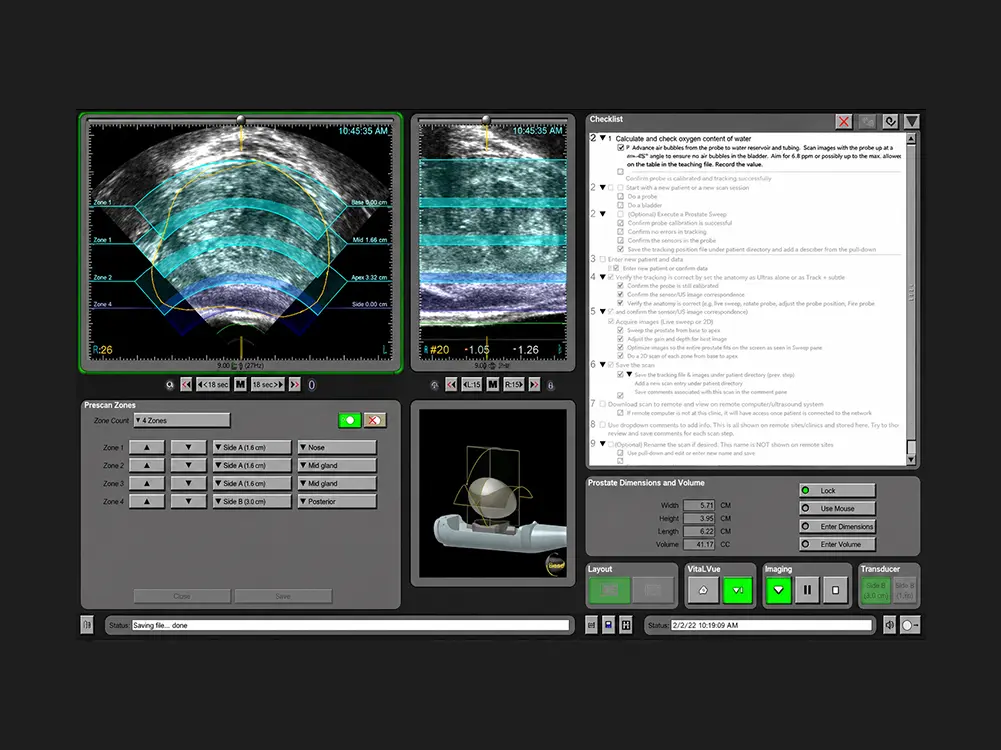
MRI–US fusion biopsy improves accuracy, reduces transrectal biopsy risks, and shortens time to treatment.
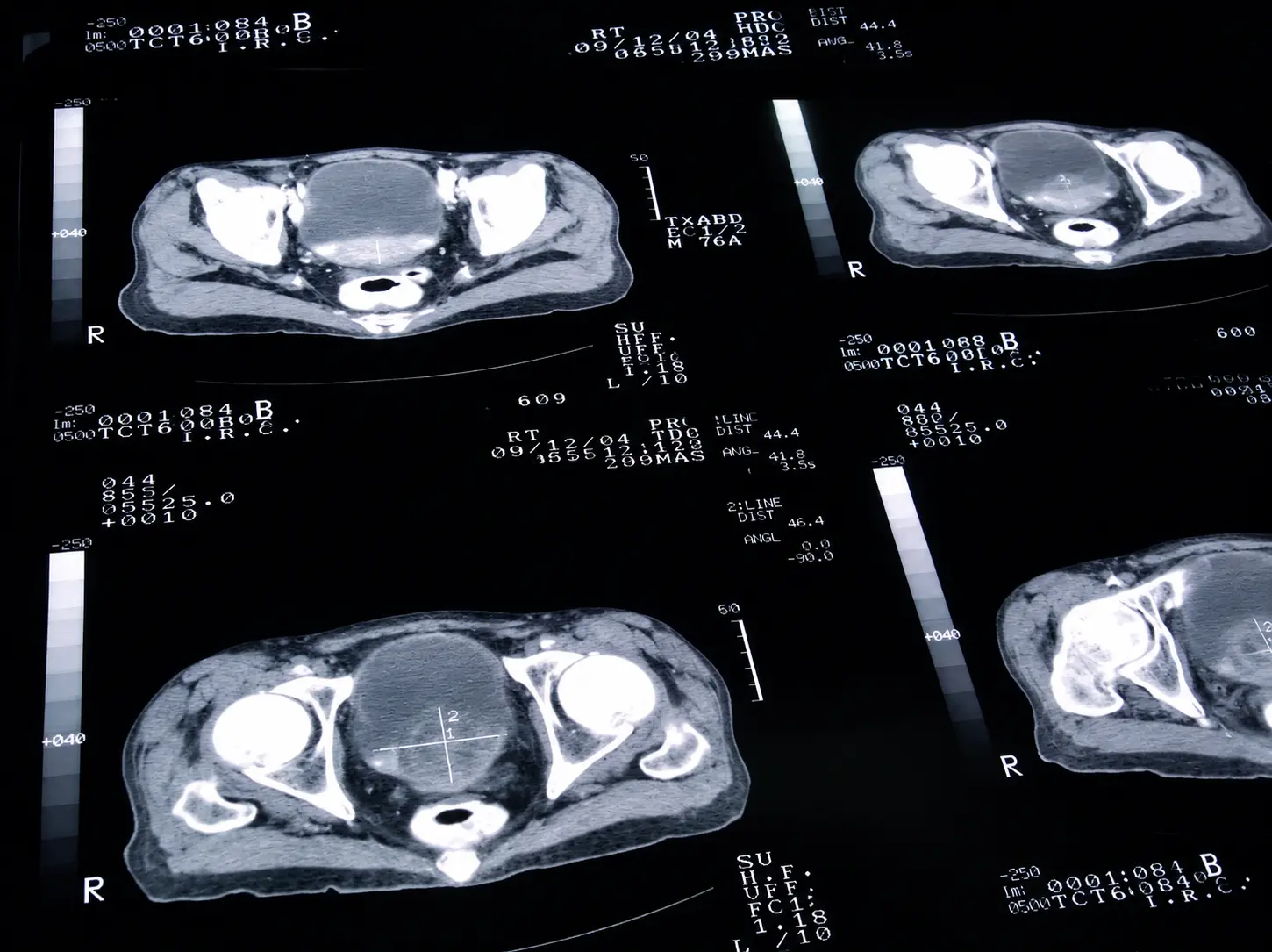
Post-RARP cystography predicts incontinence and guides personalized rehab and medication.
Multidisciplinary care expedites PSMA PET/CT and therapy.
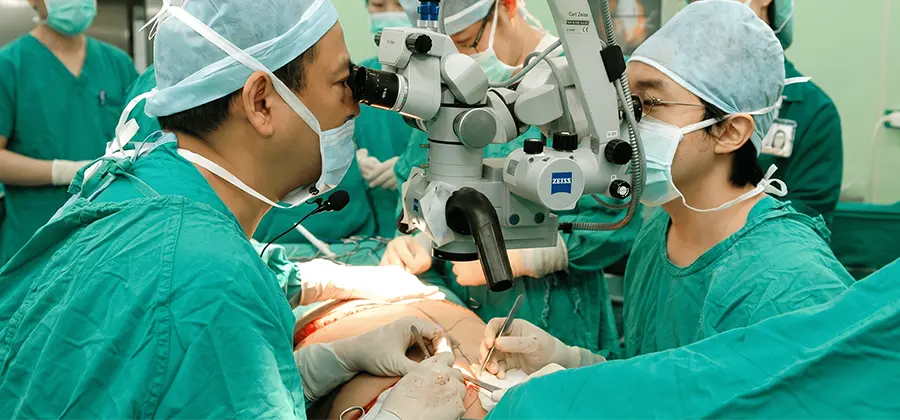
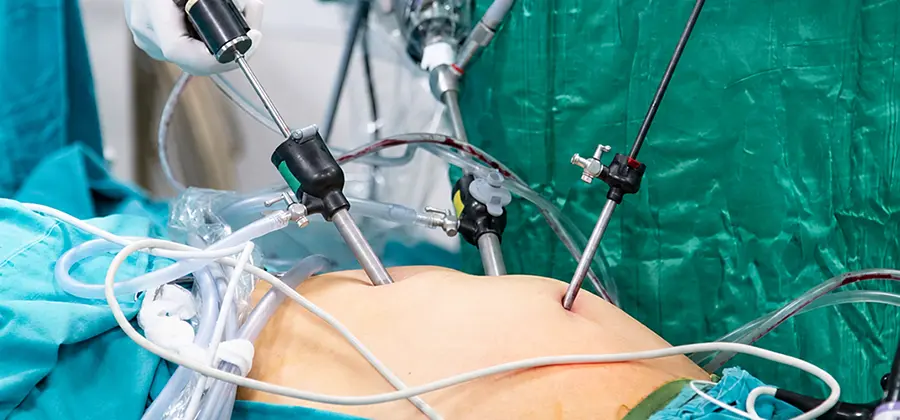
We lead Taiwan’s only da Vinci prostate surgery training center.
4,776 cases, No.1 in Taiwan.
da Vinci avg 45/month, No.1 in Taiwan.
Established the Proton and Radiation Therapy Center in 2015, +25~40%.
PSMA PET workflow, No.1.
Most prostate CA papers in Taiwan.
MRI fusion biopsy achieves the highest diagnostic rate for small lesions.
PSMA scanning increases the detection rate of recurrence.
Photon, proton, and CyberKnife treatments have the highest number of cases nationwide.
The results of da Vinci surgical treatment show that the cohort has the lowest probability of biochemical recurrence and the fastest recovery rate from urinary incontinence.
For case management service indicators and outcomes, the patient retention rate is 92.9%.
The combined effectiveness of photon and proton therapy shows a survival rate of 98%.
SMI-UI incontinence management enhances self-training ability, resulting in high patient satisfaction.
Healthcare staff satisfaction scores range from 96 to 98, with an overall inpatient satisfaction score of 90.
Patients exhibit good psychological status, low PSA levels, and few symptoms.
Professor Chun-Te Wu improved three-layer suturing technique and other latest technologies won the 2025 National Innovation Award.
Professor Chun-Te Wu built a urinary incontinence prediction system, applied for a patent, and developed a mobile app.
Professor Jacob See-Tong Pang serves as the President of the Urological Association of Asia (UAA) and hosted the 22nd UAA Congress in Taiwan in 2025.
Integrate team-based care to create a comprehensive medical model.
Innovate precise AI-assisted medical care, leading both domestically and internationally.
Promote outstanding treatment outcomes, supported by data-driven evidence.
Advocate for men's health awareness nationwide, fulfilling social responsibility.
Cultivate medical talent and support collaborative research and clinical standard development in the Asia-Pacific region, establishing a benchmark center for prostate cancer treatment in Asia.