Provide innovative big data services in the NTUH healthcare system.
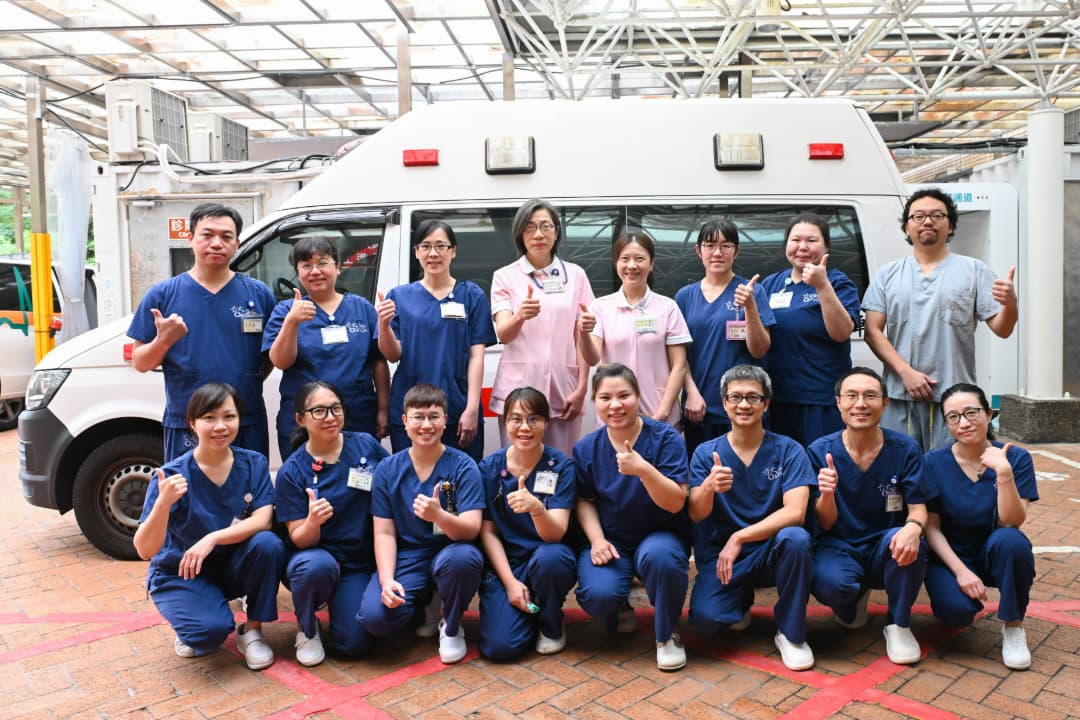
Full-time staff of the NTUH healthcare system.
In response to the rapid expansion and accumulation of medical data, the NTUH healthcare system began to transition clinical research-related data in 2013. Our team integrates expertise in clinical medicine, biostatistics, and information engineering to convert vast amounts of routine medical data into anonymized research databases. These databases are regularly transitioned and validated to ensure data stability and accuracy. We also build “Big data analytics room of NTUH-iMD” and strictly adhere to the guidelines of the Ethics Committee to protect patient privacy and rights. Currently, the database covers clinical data from 10 campuses of NTUH, with data from approximately 2.5 million individuals and 43 million visits, including over 505 types of medical records. With billions of medical data accumulated through extensive long-term follow-up, our team is fully committed to assisting research efficiency and quality within the hospital. In the context of a thriving medical, information, and research environment, the goal is to improve healthcare quality and promote public health.
In 2025, 227 online applications were received.
In 2025, 19 educational training seminars were held.
In 2025, the average turnaround time was 8.4 days per case.
From 2016 to 2025, a total of 210 journal articles have been published.
Big data databases may contain large amounts of inaccurate, outdated, or duplicate data, which, if not properly cleaned and organized, can affect the accuracy of analysis and decision-making. Therefore, the Integrative Medical Data Center developed the "Key-Value Validation Method" to quickly compare the consistency between massive research data and real-time online data. This method has been published in academic journals, proving its robustness, and has become a standard operating procedure at the center. Data validation is performed simultaneously during data transposition to ensure data quality. 2. “Big data analytics room of NTUH-iMD” has been set up, strictly adhering to the ethical committee's guidelines to ensure data security and protect patient privacy and rights.
A satisfaction survey for the specialized zone projects—covering the application procedures, reservation processes, hardware, software and data import/export processes. The area achieved a satisfaction score of 9.2 out of 10.
The Integrative Medical Data Center is positioned at the upstream of the healthcare big data research industry chain. Based on attraction analysis and internal and external industry assessments, the center considers strategic resource allocation. The center actively collaborates with international industry, academia, and research sectors. Recently, it partnered with international pharmaceutical company A to develop an AI cancer detection tool using clinical data extracted by the center. This tool employs federated learning, ensuring data does not leave the hospital for external validation, and is used to evaluate the performance of cancer prediction models for the Eastern population. Additionally, the center is working with international pharmaceutical company B to develop a new model for early-stage clinical trial evaluation. By leveraging the center's data to effectively screen conditions and combining the clinical trial center’s matchmaking services, the center aims to quickly and accurately identify potential patients who may meet the clinical trial selection criteria. This collaboration is expected to significantly contribute to the development of Taiwan's healthcare data industry, provide core technologies for innovative product development, and enhance Taiwan's international competitiveness in the industry.
None.