Women with preeclampsia
Infants born to mothers with preeclampsia
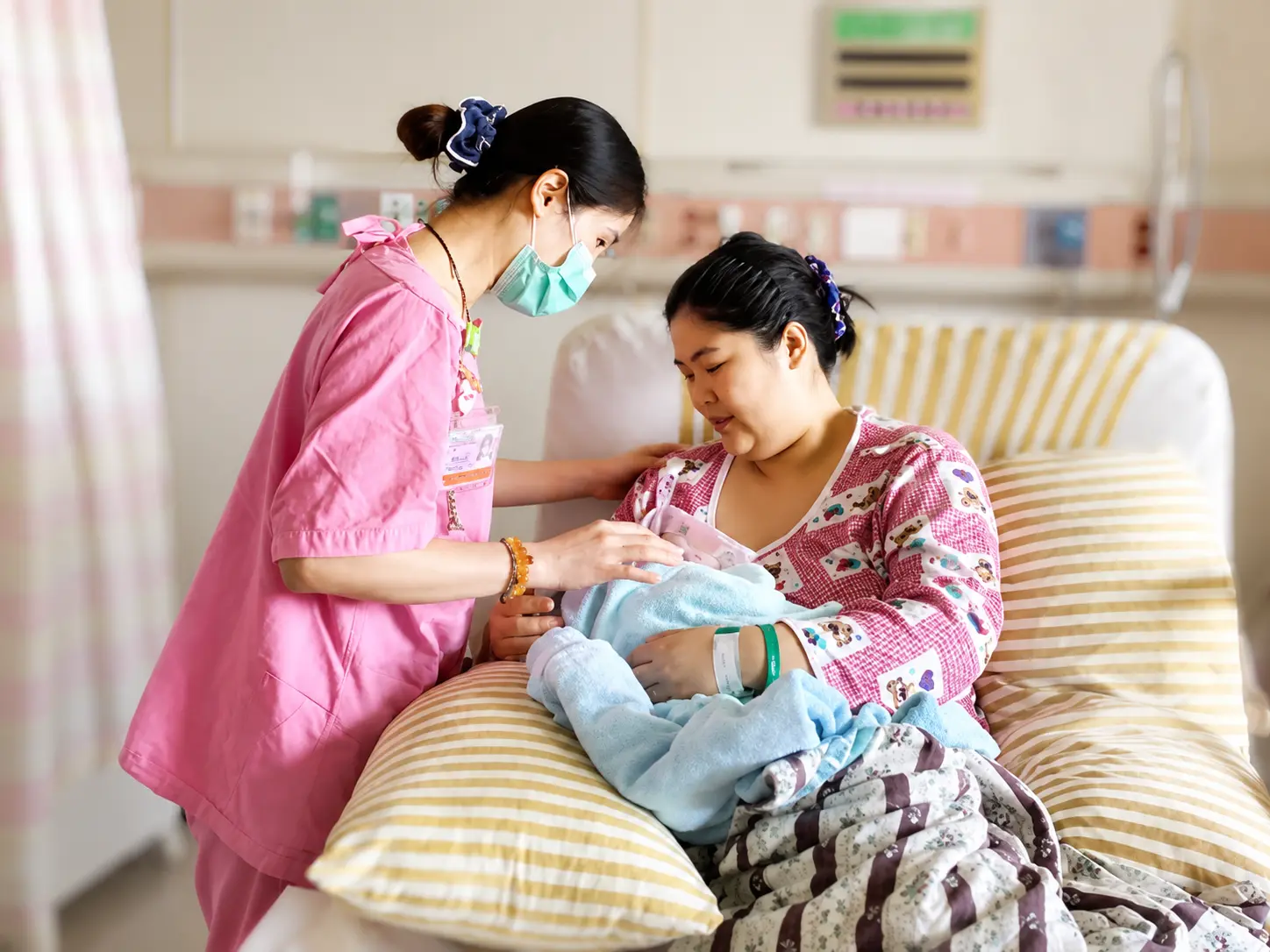
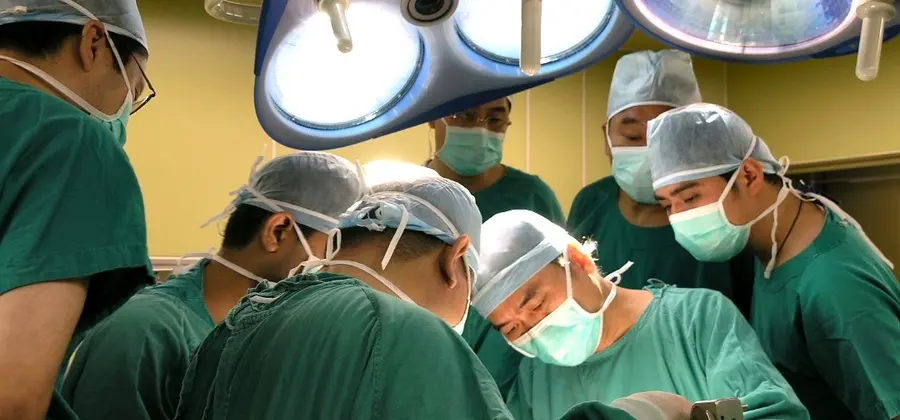
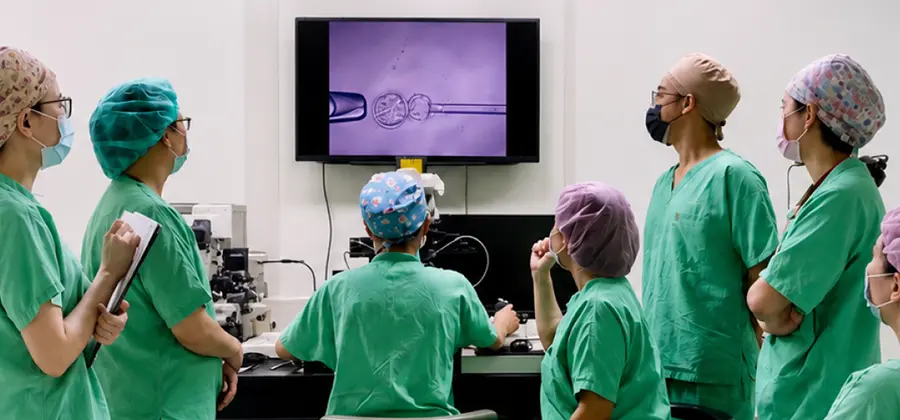
Through the coordinated efforts of a multidisciplinary healthcare team, we continuously pursue innovation and excellence in delivering comprehensive, continuous, and family-centered care for women with preeclampsia and their infants. Our integrated care program provides seamless medical management and ongoing support throughout the maternal and neonatal care continuum. By enhancing maternal and neonatal care competencies, reducing complications and mortality, and strengthening family support, we aim to improve health outcomes and promote family well-being.
Established a continuity-of-care program for women with preeclampsia through scenario-based learning and case management. Patients’ knowledge and self-care competency improved from 70.6% to 95%.
Provided compassionate companionship and emotional support through a dedicated preterm labor support volunteer program.
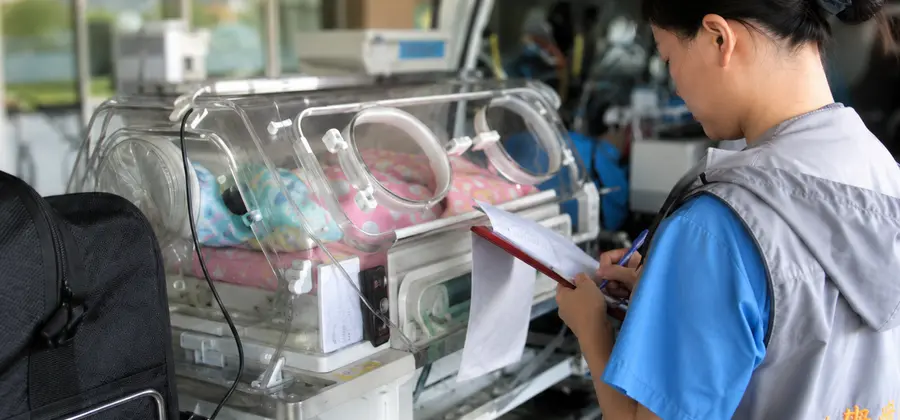
Implemented early intervention services by a multidisciplinary neonatal healthcare team to optimize neonatal outcomes.
Introduced a family-centered rooming-in model with dedicated nursing care and mother–infant-centered bedside handover.
Applied postpartum acupressure therapy to relieve headache and edema and promote blood pressure stabilization through stimulation of specific acupoints, including Quchi (LI11), Taichong (LR3), Zusanli (ST36), Fenglong (ST40), Sanyinjiao (SP6), and Yinlingquan (SP9).
Conducted postpartum depression screening and assessment, providing timely psychological support and emotional care.
First in Taiwan to implement a real-time neonatal image transmission service, enhancing communication between healthcare professionals and families.
Introduced Radio Frequency Identification (RFID) technology to strengthen maternal and newborn safety management and ensure secure care delivery.
Between 2007 and 2009, a total of 124 women with preeclampsia delivered at our institution.
Thirty-one women (25.0%) received regular prenatal care at our institution.
Ninety-three women (75.0%) were referred from other healthcare facilities for delivery.
Between 2007 and 2009, the 124 women with preeclampsia gave birth to a total of 134 newborns.
The knowledge score for continuity-of-care education and follow-up among outpatient women with preeclampsia improved from 70.6% to 95.0%.
Women who received regular prenatal care and treatment at our institution demonstrated superior maternal and neonatal outcomes, including longer gestational age at delivery, higher birth weight, and better 1-minute and 5-minute Apgar scores, compared with women referred from other healthcare facilities.
RFID identification tags were implemented for all mothers and newborns immediately after birth to ensure accurate patient identification and enhance maternal–newborn safety.
A mother–infant identity verification system was established during rooming-in care to prevent identification errors and ensure safe caregiving practices.
A customized RFID-enabled vaccine administration management system was introduced to enhance vaccination accuracy, traceability, and patient safety throughout the care process.
Parents consistently expressed appreciation and positive feedback regarding the comprehensive and family-centered care provided by the healthcare team.
Positive feedback and heartfelt appreciation were consistently received from both mothers and fathers regarding the quality of maternal and newborn care services.
Higher maternal blood pressure at admission was associated with longer hospital stays and lower gestational age at delivery, providing important evidence for early identification and risk management of severe preeclampsia.
Analysis of the relationship between preeclampsia severity and the occurrence of small-for-gestational-age (SGA) infants provided valuable evidence for risk assessment and clinical management of high-risk pregnancies.