Children with Developmental Delay and High-Risk Factors: Including confirmed or suspected developmental delay, high-risk conditions, and genetic or congenital syndromes.
Cross-Sector Referrals
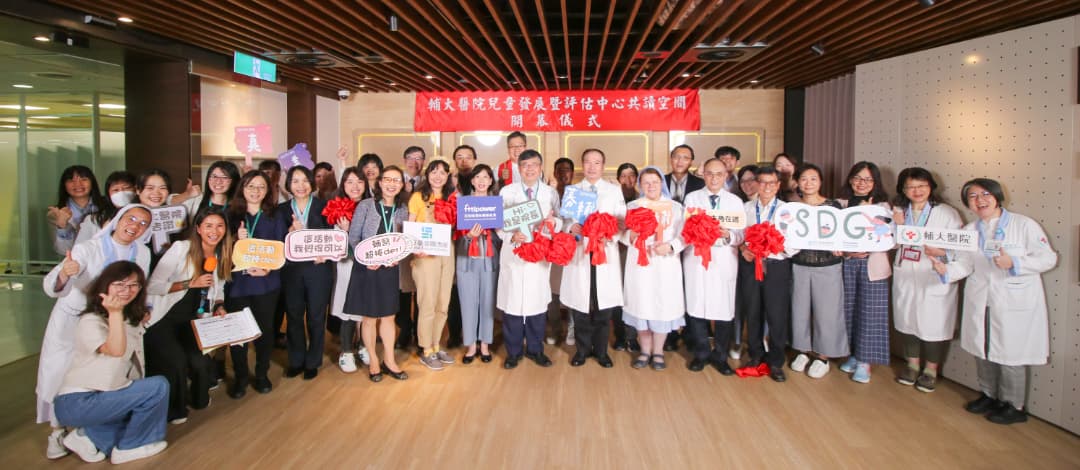
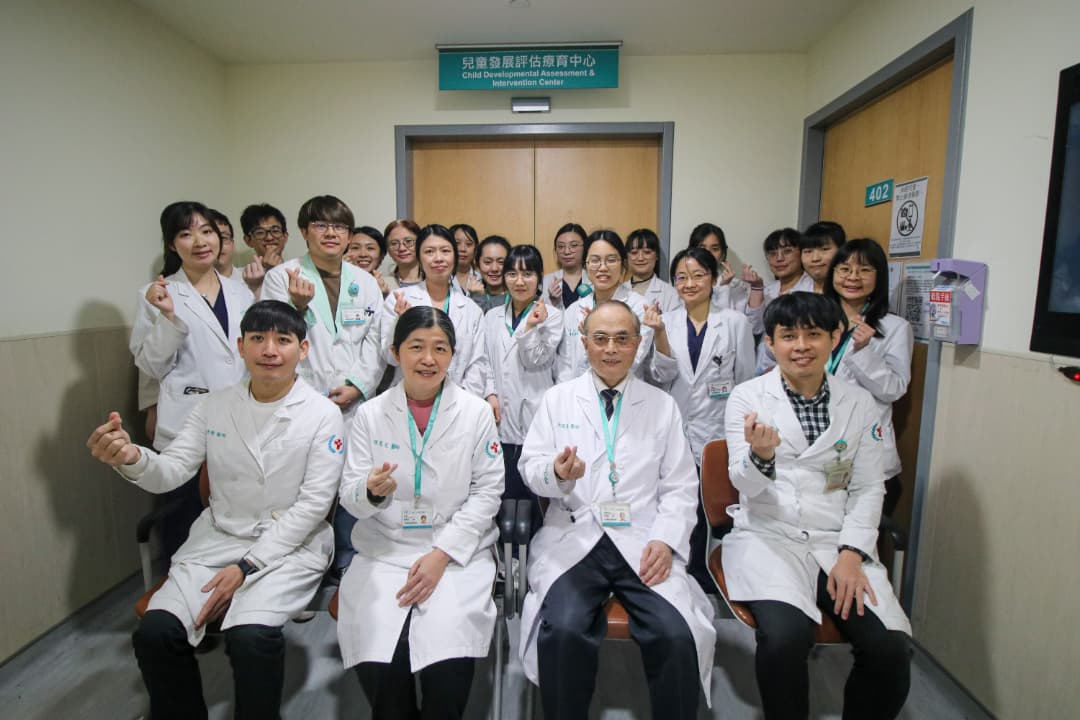
The Child Developmental Assessment and Intervention Center at Fu Jen Catholic University Hospital was certified in 2018 as an Early Intervention Assessment Hospital by Department of Health New Taipei City and was officially designated as a Joint Assessment Center by the Health Promotion Administration in 2023. The center serves children with developmental delays or those at risk of such delays.
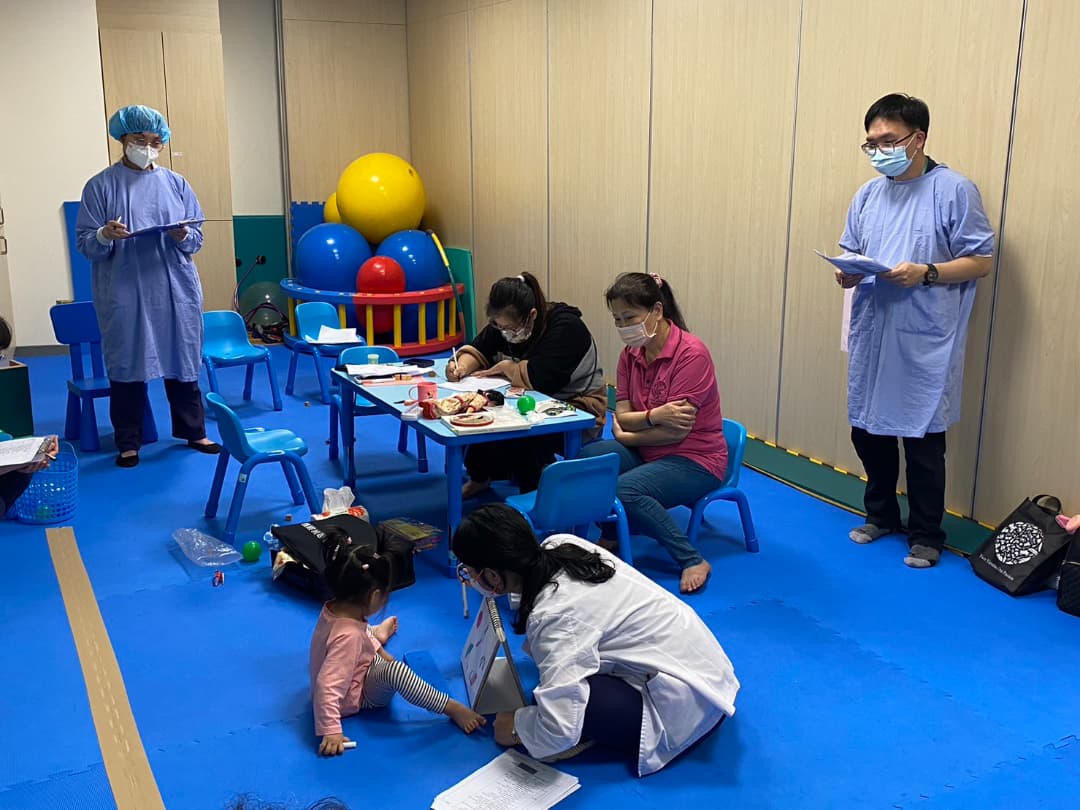
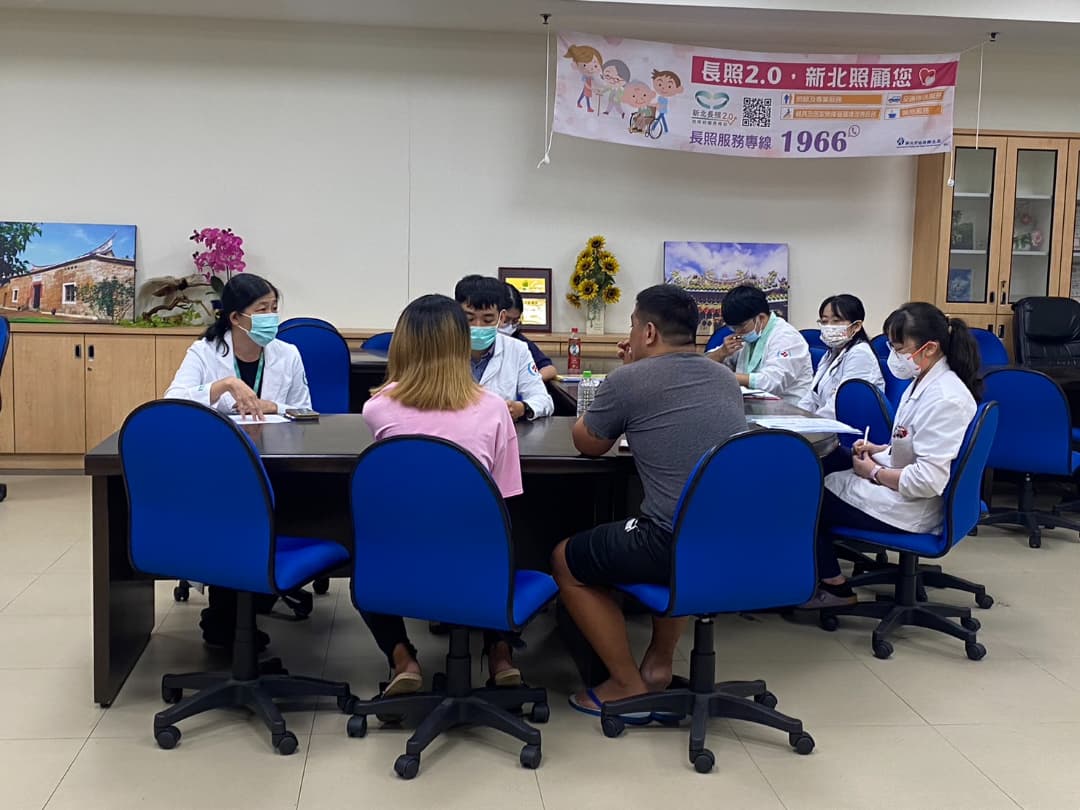
Our interdisciplinary team includes physicians (pediatric rehabilitation, pediatric neurology, and child psychiatry), therapists (physical, occupational, speech-language, and clinical psychologists), and medical social workers, along with dedicated case managers who assist families in navigating intervention processes and resources.
With a family-centered service model, the center emphasizes collaborative professional discussions and individualized intervention plans to empower caregivers in parenting and developmental support.
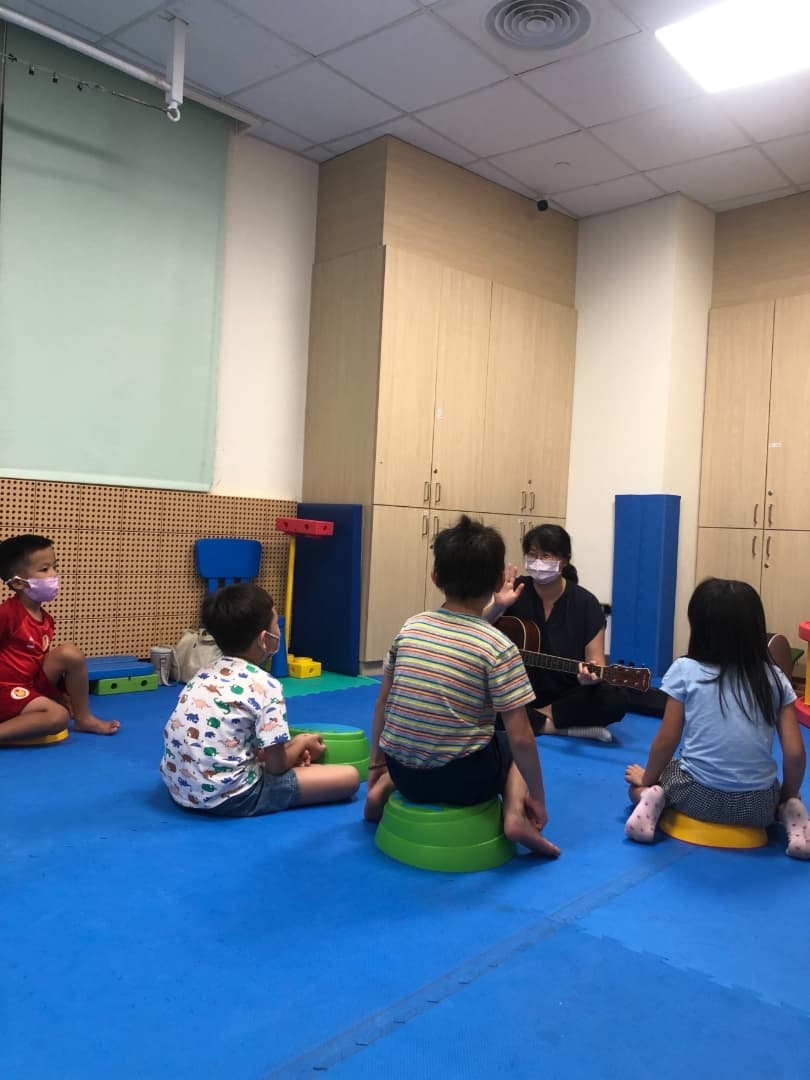
In recent years, we have implemented several innovative services, including a “Green Channel” and “Public Music Therapy” to enhance accessibility for underprivileged families. The establishment of an “Child Multimedia Sensory Interaction Therapy Room” incorporates interactive technology to improve the quality of intervention.
Additionally, the center provides a “Digital Parenting Resource Hub” and a “Parent-Child Reading Program” to extend educational support.
Accessibility: Public-interest music therapy, priority access pathways, and outreach services reduce barriers and improve access for underserved families.
Multidisciplinary Collaboration and Smart Healthcare: Close collaboration among three pediatric specialties enables comprehensive assessments within 1–2 days; multidisciplinary meeting attendance reaches 97%, with detailed and high-quality reports.
Family Empowerment and Community Inclusion: Shared reading programs, university partnerships, and digital parenting resources enhance parenting competence and community integration.
Over the past three years (2022–2024), joint developmental assessments increased 1.88 times (from 247 to 452 cases), and treatment volume increased 1.13 times (from 15,870 to 17,863 visits).
Joint developmental assessment volume: 370 children in 2023; 452 children in 2024.
Awarded 2nd place in Category C of the “2024 National Joint Developmental Assessment Service Performance Program.”
Among children who continuously received intervention during 2023–2024, 69–81% showed improvement in motor, language, and cognitive development.
More than 90% of parents in public-benefit music therapy programs reported “satisfied” or “very satisfied.”
Parent satisfaction for early intervention shared reading activities averaged 4.8 out of 5.
Internal and external supervision systems ensure quality control, treatment safety, and consistency of clinical services.
A structured satisfaction feedback and rapid response mechanism supports ongoing service review and quality improvement.
Since the establishment of the center, only one adverse event has been reported.
Overall rehabilitation service satisfaction: 4.7 / 5
Overall joint developmental assessment satisfaction: 4.8 / 5
Family-centered service satisfaction: 4.7 / 5
Hung KL (2024). Genetic diagnosis in children with developmental delay. Children 11, 669.
Hung KL, Lu JF, Su DJ, Hsu SJ, Wang LC (2022). Tubulinopathy presenting as developmental and epileptic encephalopathy. Children 9:1105.
Chen HJ, Ko HJ, Li ST, Chiu NC, Hung KL (2020). Prevalence of preschool children developmental disabilities in northeastern Taiwan - Screening with Taipei City Developmental Screening Checklist for Preschoolers, 2nd Version. J Formos Med Assoc 119: 1174-9.
Establishes a family-centered EI model
Improves equity and access to care
Advances community inclusion and sustainability