Inpatients, outpatients
Hospital staff and health check-up clients
Community residents in the Xin-Wu-Tai area
Patients with DM, CKD, cancer, PN and ERAS
ICU and respiratory care patients
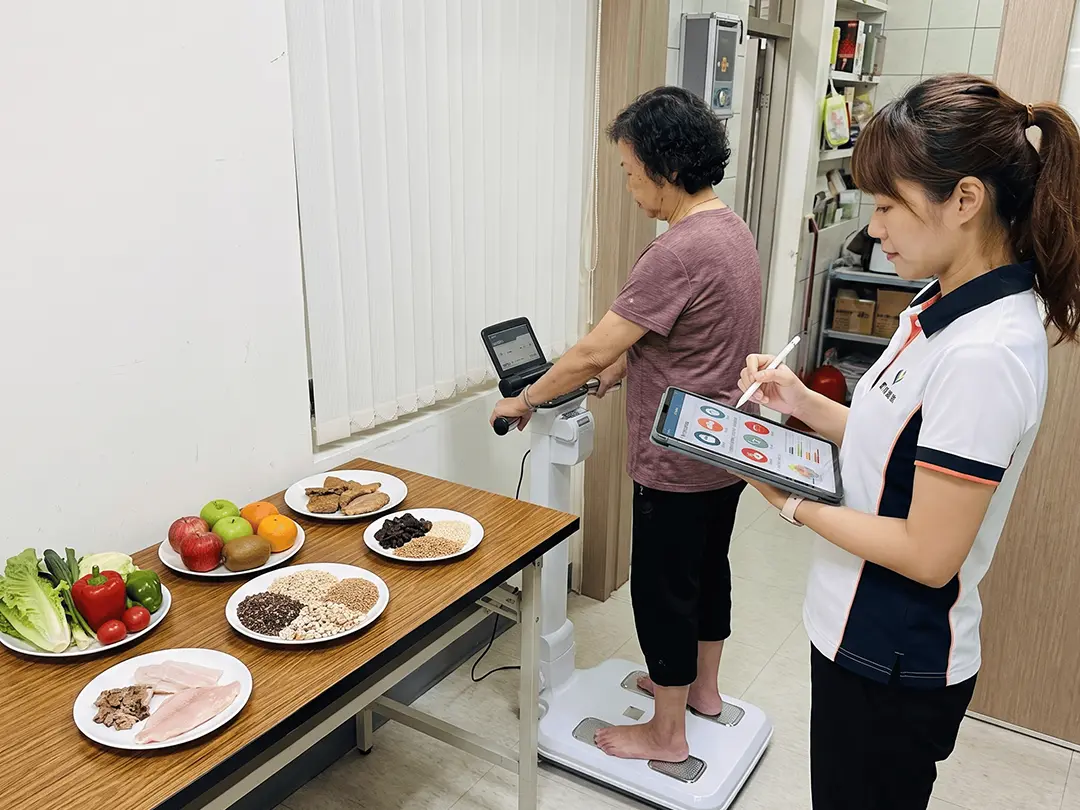
With the core theme "Protect Your Health—Precision Nutrition Leads the Future of Preventive Medicine," we dedicated to the seamless integration of clinical services, food service management, and academic research. Regarding operational foundations, we operate a central kitchen certified by both HACCP and ISO 22000 international high standards, strictly safeguarding food safety for patients and staff. Simultaneously, in clinical nutritional care, we maintain a 100% completion rate for nutrition consultations regarding inpatients, cancer patients, and critically ill patients, and we have significantly enhanced the quality of the Diabetes Shared Care Network through QCC methodologies. In collaboration with the Department of Nutritional Science at FJCU, as well as the Department of Community Medicine and the Department of Neurology at FJCU Hospital, we promote health practices and conduct large-scale cohort studies targeting the elderly in the Xinzhuang, Wugu, and Taishan districts to achieve the goals of preventive medicine. By utilizing genetic testing and metabolic phenotype analysis, we proactively screen for populations at high risk of sarcopenia and cognitive dysfunction, subsequently implementing customized precision nutrition intervention protocols. We aim to embody the spirit of preventive medicine through these scientific evidences, making concrete contributions to delaying the progression of dementia in community elders and enhancing overall health and well-being.
Personalized Precision Nutrition: Integrating genetic testing and metabolic markers to screen community elders for dementia risk and tailor preventive medicine protocols.
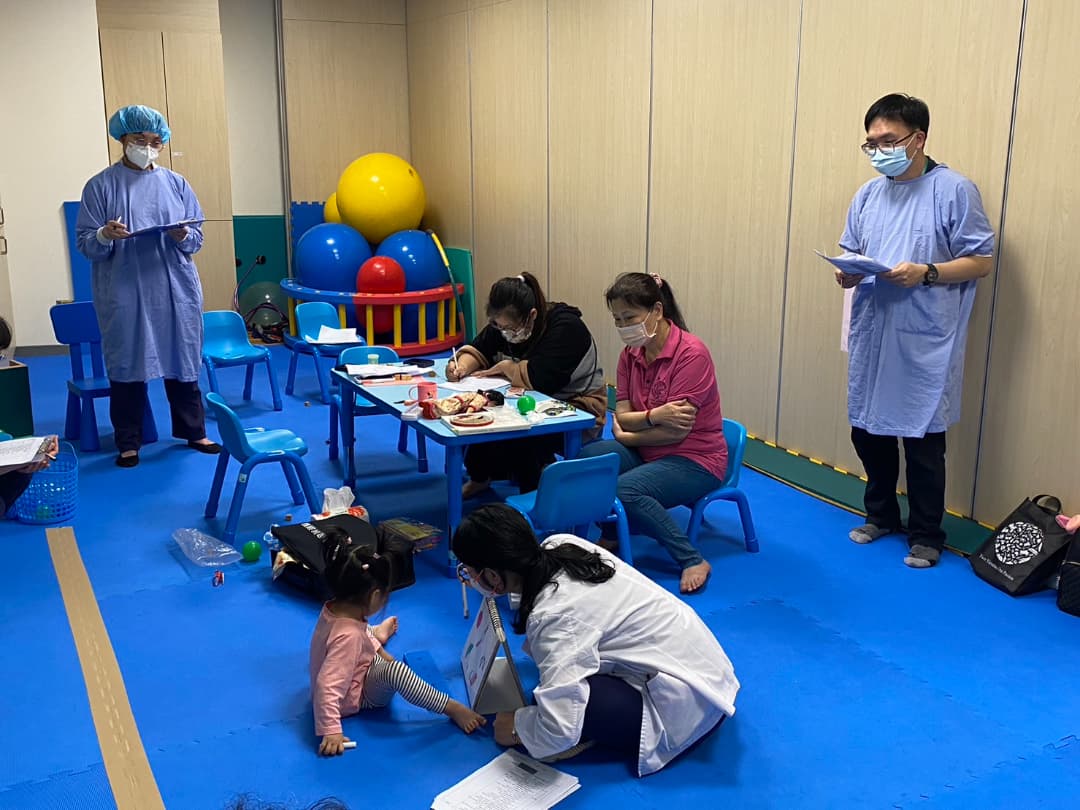
University-Hospital Cross-Disciplinary R&D: Collaborating with FJCU to establish a cohort study in the Xin-Wu-Tai community, implementing nutritional screening and cultivating cross-disciplinary talent.
High-Standard Food Safety Certification: Achieving dual HACCP and ISO 22000 certifications to ensure the highest standards of food service safety.
Clinical Quality Management: Applying Quality Control Circle (QCC) methodologies to significantly enhance the effectiveness of diabetes and critical care.
Inpatient meal ordering rate is approximately 61.2%.
25 community nutrition education sessions are conducted annually.
Community research recruitment has reached 224 elderly participants (in 2025).
Through Quality Control Circle (QCC) improvements, the diabetes care rate increased by 453%, and the average HbA1c level decreased from 7% to 6.8%.
The achievement rate for ICU patients reaching 70% of their required caloric and protein intake within one week is >80%.
The nutritional care rate for cancer patients reached 62%.
Inpatient meal satisfaction reached 70%.
Since the hospital's opening (September 2017), food service operations have continuously maintained HACCP international certification for 7 consecutive years.
The rate of academic research achievements reached 77.8%.
The pass rate for food hygiene inspections reached 100%.
The central kitchen has passed dual international certifications for HACCP and ISO 22000.
The nutritional care rate for NTT and ICU reached 100%.
A mechanism for handling abnormalities and tracking records (for meals) has been established.
After enhancing nutritional care, HbA1c levels improved, decreasing from 7% to 6.8%.
The nutritional care rate for diabetes reached 45.3%.
Inpatient meal satisfaction reached 70% .
Employee meal satisfaction is 69% .
Established a strong reputation for community nutritional care .
Received recognition through the hospital's Truth, Goodness, Beauty, and Holiness Contribution Awards .
Obtained international HACCP certification for food safety.
Achieved ISO 22000 international standard certification.
Published in the Q1-ranked international journal, Nutrients.
Clinical care indicators exceeded ESPEN international standards.
Participated in international conferences (IUNS-ICN, ASN, APNNO).
Enhancing Meal Quality and Safety: Awarded dual international certifications in HACCP and ISO 22000, ensuring 100% food service hygiene and safety, and establishing a benchmark for hospital catering.
Leading Precision Nutrition: Integrating genetic and metabolomic analysis to formulate personalized nutrition plans, establishing a new care model for preventive medicine.
Establishing Nutritional Care Standards: Established standard protocols for ICU and NTT nutritional care, achieving a 100% intervention rate, with indicators exceeding ESPEN international standards.
Improving Patient Medical Outcomes: Utilizing Quality Control Circles (QCC) to improve diabetes care, reducing average HbA1c levels to 6.8%, and optimizing prognosis through precision nutrition.
Practicing Medical Sustainability: Promoting community preventive medicine to screen for dementia risk, implementing early intervention to reduce the burden of long-term care, and realizing sustainable development.