Sleep apnea patients (soft tissue hypertrophy, receding jaw, severe obesity)
Children (attention deficit and hyperactivity)
Obese adults (morbid obesity/metabolic)
Alzheimer's disease related
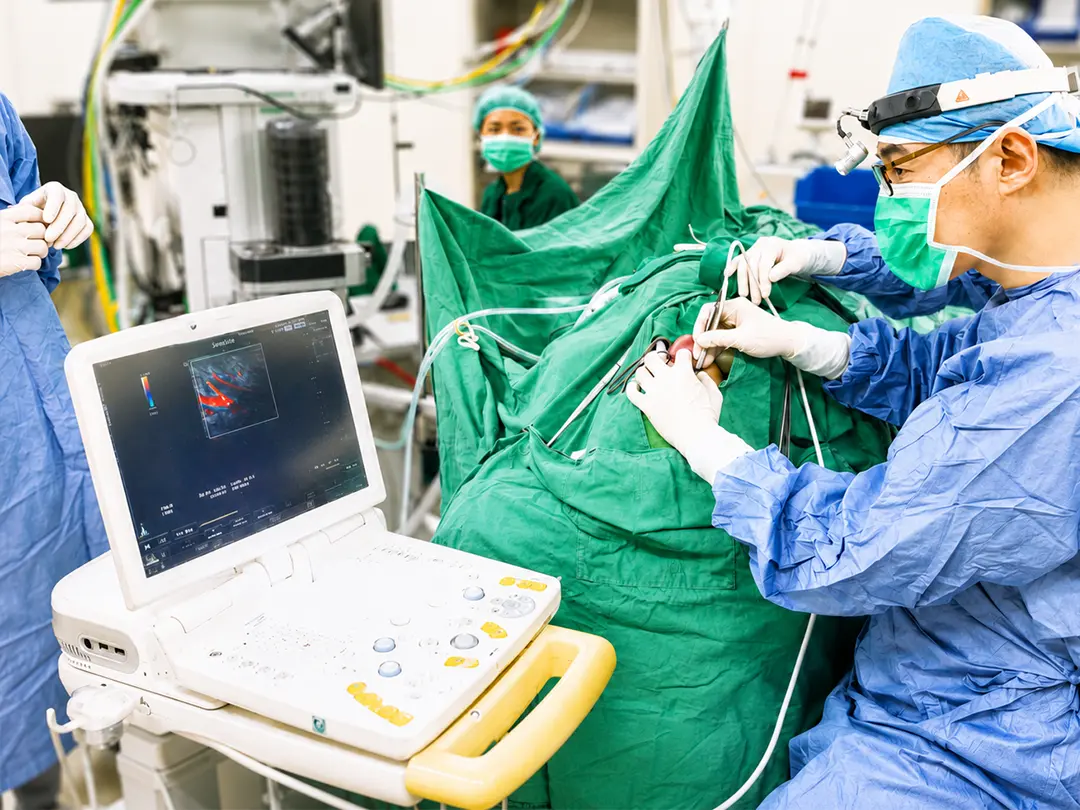
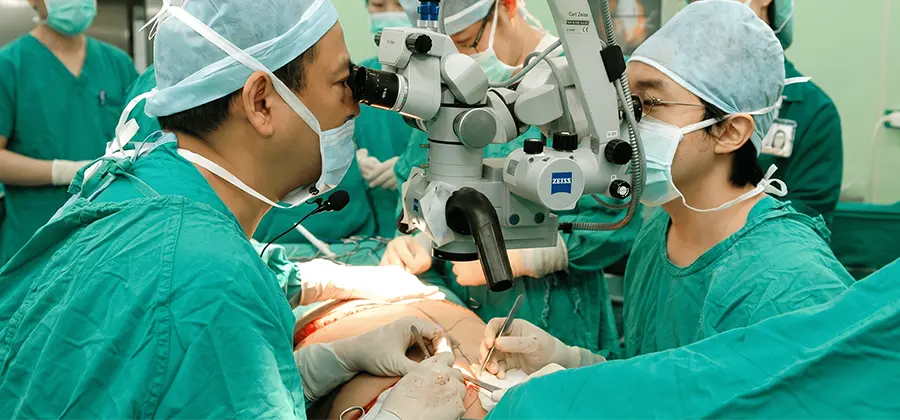
Replacing traditional resection surgery with tissue-specific functional reconstruction, we are developing a comprehensive intrapharyngeal surgery for obstructive sleep apnea, covering surgical innovations in the palate, tongue, and nose, and expanding clinical indications to children, the elderly, and obese adults. At the same time, we are promoting sleep surgery training and international exchange in Asia.
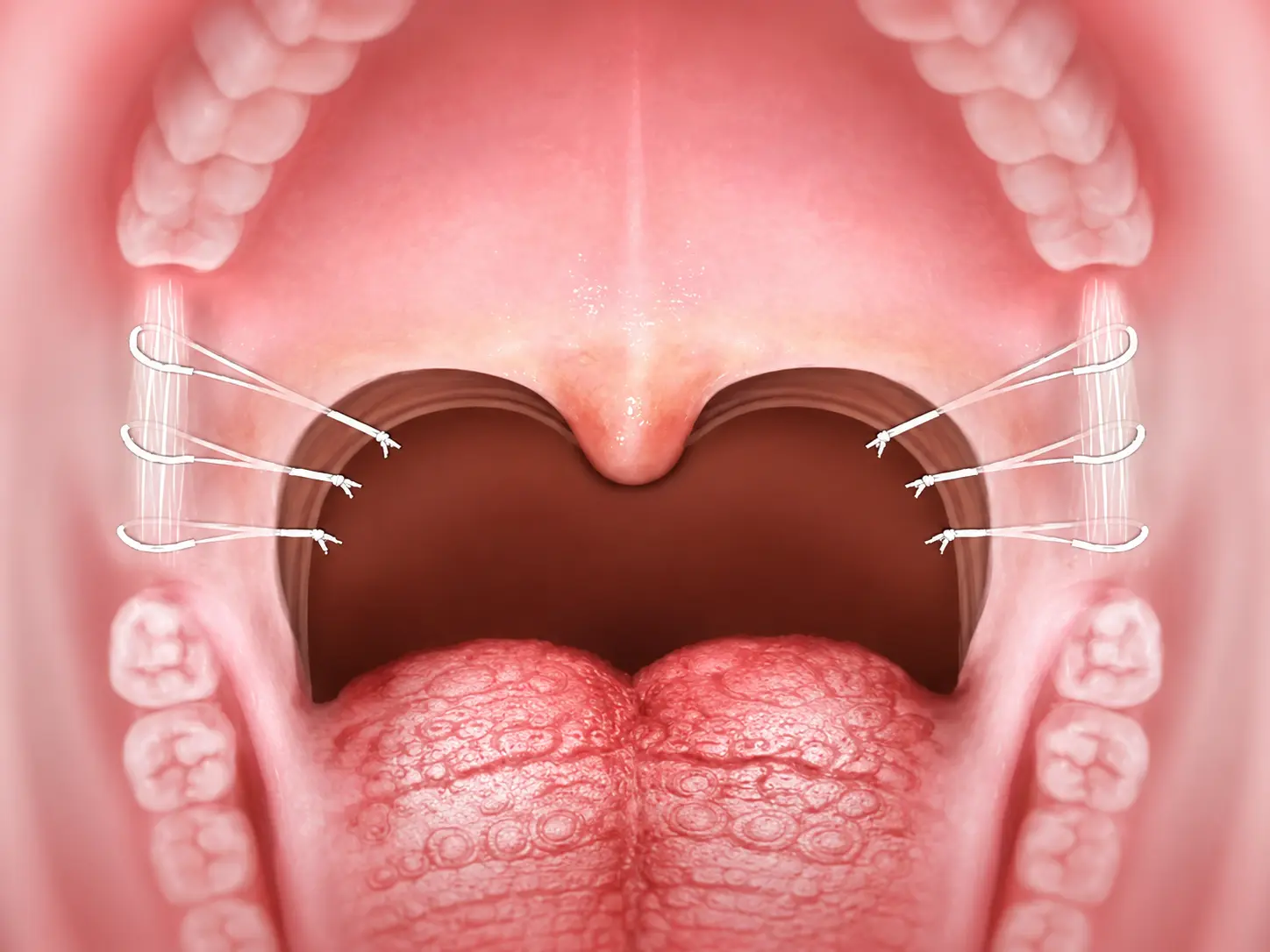
Tissue-Specific Functional Reconstruction: Mucosa Preservation, Fat Ablation, Muscle Suspension, Tonsillectomy
Integrated Soft Palate Surgery: Effectively expands airway space, maintaining normal swallowing and voice production
Total Tongue Ablation and Debulking Surgery: Combines debulking and tongue stabilization effects, maintaining normal swallowing and taste
Mini-invasive Septoturbinoplasty: Displacement instead of resection, maintaining normal physiological function of the turbinates
Sound Localization: Different locations and frequencies lay the foundation for precise surgical treatment of snoring
Anatomy-Guided Surgical Selection: Surgical success rate depends on anatomical structure rather than disease severity
Complex Airway Weight Reduction Surgery (CABS): The first interdisciplinary integrated surgery in sleep surgery
Shared Decision Making: Using iPad surgical animations and videos for assisted explanation
Performs over 1000 sleep surgery procedures per year (team)
Sleep surgery fellows/observers: 36 domestic physicians, 46 international physicians (2023)
International fellows include 2 professors and 4 associate professors (2023)
Success rate of intrapharyngeal surgery: 64~80% (>50% reduction of AHI, AHI<20)
Combined airway weight reduction surgery: Success rate 90%, cure rate 60%
Total number of original papers: >200 SCI papers (2023)
Total citations: 3654, H-index: 32 (2023)
Editor of sleep textbook "snoring and obstructive sleep apnea (Springer)", Authored 5 chapters in another sleep textbooks
76 international invited speech (including 10 keynote speeches in Asia and world congress)
11 local/international surgical demonstration
National innovation award (3 times)
National Healthcare Quality Award (diamond prize)
Overall complication rate <2%
Combined airway bariatric surgery: No major complications
Requirement for operation room with electrocautery for hemostasis: 1-2 cases/year
CPAP therapy as salvage after surgery: 5 cases/year
Overall "high satisfaction" rate reached 93.4% (High satisfaction = very good + excellent)
National Innovation Award (2021): palatal hybrid surgery for obstructive sleep apnea.
National Innovation Award (2021): Locosonic recognition and omni-analysis of snore sound.
National Innovation Award (2023):Combined airway bariatric surgery for sleep apnea combined with morbid obesity
National Healthcare Quality Award (2023)(diamond prize)
World's Top 2% Scientists (1960-2020) (Lifetime Achievement)
World's Top 2% Scientists (2020~2023)
Editor of sleep textbook "snoring and obstructive sleep apnea (Springer)", Authored 5 chapters in another sleep textbooks
Total number of papers: >200 SCI papers (2023), Total citations: 3654, H-index: 32 (2023)
Organized the 4th International Society for Sleep Surgery (ISSS), Organized the 1st Asia Obstructive Sleep Apnea Conference (OSAsia)
Asian-Pacific Society of Cardiology Consensus Statements on the Diagnosis and Treatment of obstructive Sleep Apnea in Patients with Cardiovascular Disease
Surmount study global trial
Changes in treatment approach: When the patient's anatomy is favorable, surgery and CPAP should be discussed together.
Before starting medication for children with attention deficit/hyperactivity, it's essential to inquire about sleep-disordered breathing.
Treating sleep apnea can significantly reduce or delay the development of Alzheimer's disease in 3/4 of OSA patients.
Before prescribing a positive pressure ventilator, physicians should inquire about nasal congestion or mouth breathing symptoms.
Social responsibility: Public education (in-person lectures, media interviews), issue awareness (press conferences), sleep-related textbooks.