Patients with early-stage breast cancer who have undergone partial mastectomy. Intraoperative radiation therapy is based on risk assessment.
The application of intraoperative radiotherapy in the treatment of breast cancer has exceeded 1,300 cases today, which is the highest in the country. Intraoperative radiotherapy is characterized by a single high-dose radiotherapy, which can shorten the treatment time and reduce the time for patients to return to the hospital, but its effect is not inferior to that of traditional whole-breast radiotherapy, and intraoperative radiotherapy can be expected to have a high satisfaction with postoperative aesthetics, reduce radiation exposure damage to skin and organs, and meet the needs of modern breast-conserving surgery and the requirements of patients' daily life. Therefore, intraoperative radiation therapy is an alternative to conventional radiation therapy in the appropriate condition.
The overall process of breast cancer treatment includes diagnosis, tumor staging and classification, surgery, systemic therapy, radiation therapy, physical and mental care, and treatment effect tracking.
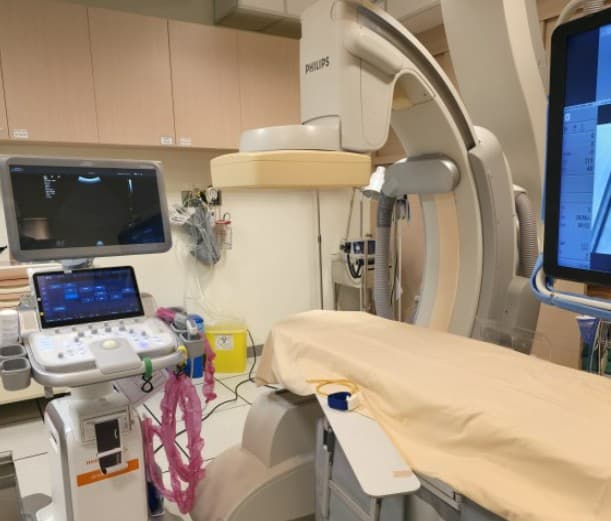
In order to ensure patient safety and provide patient-centred, whole-person care, hardware equipment and safe maintenance are key. The instruments used at each stage,such as ultrasound equipment, mammography equipment, specimen X-ray imaging equipment, pathological section equipment, commercial staining reagents and microscopes, extracorporeal remote radiation equipment, etc., have relevant management and maintenance procedures for each instrument and equipment, and formulate management standards for implementation.
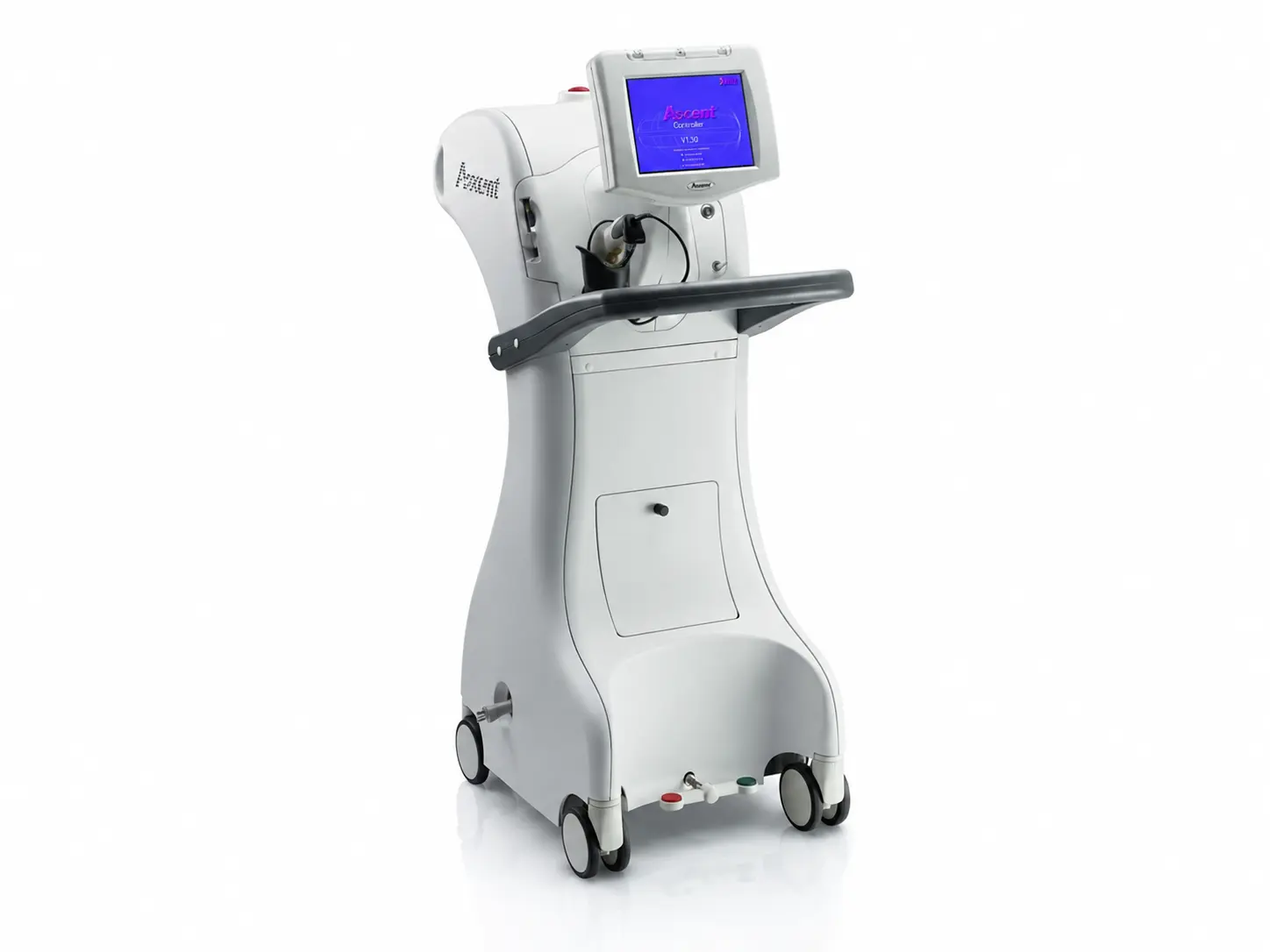
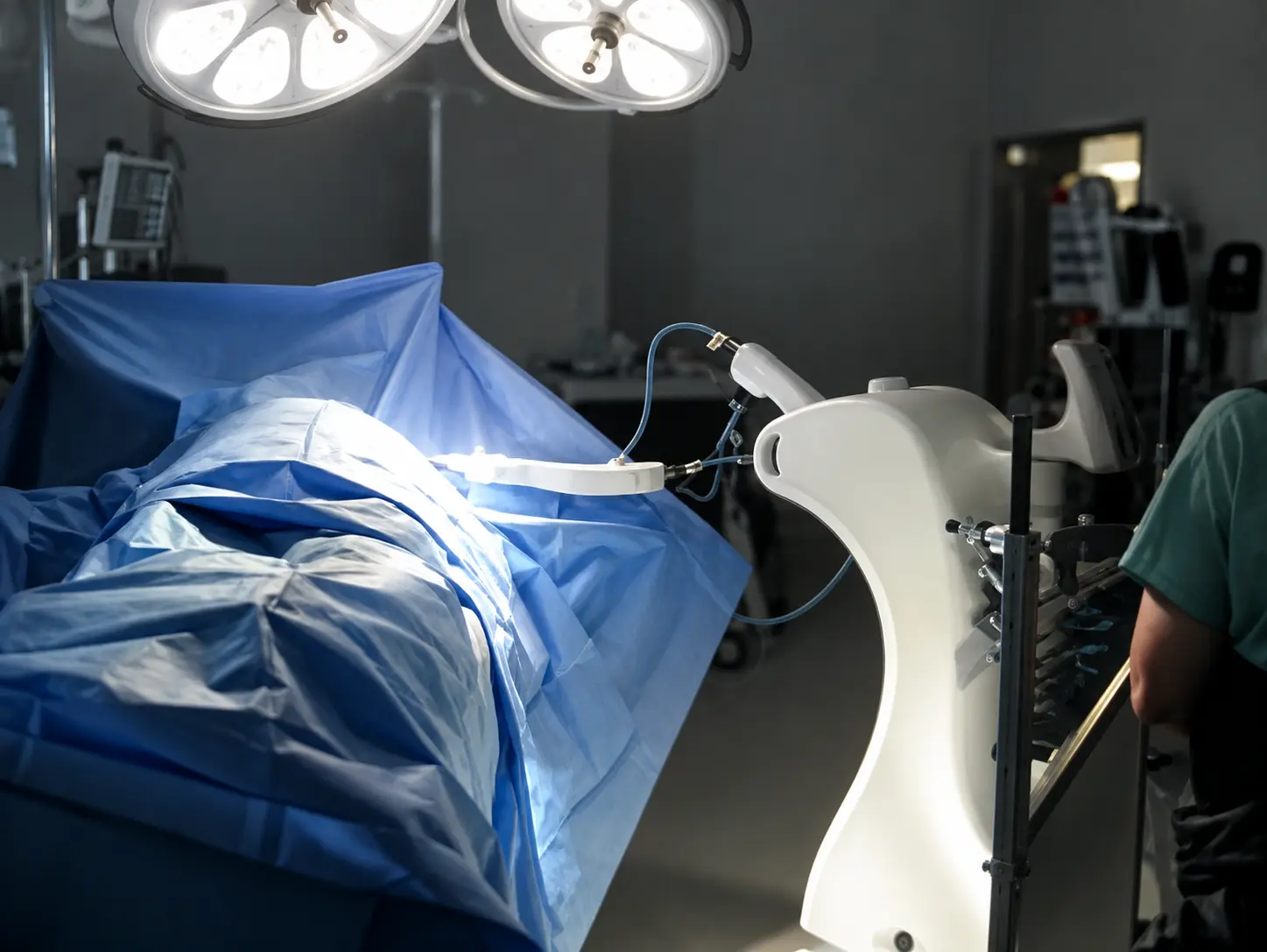
Intraoperative radiotherapy equipment is used as Axxent radiotherapy equipment from Xoft Inc., an American brand, and is based on the "Intraoperative Radiotherapy Procedure Book" and "Guidelines for Radiotherapy Policies and Procedures". In addition,regular education and training of instruments and equipment are held to maintain the level of the intraoperative radiotherapy team. During the operation, the radiation oncology department and breast surgeon will perform the radiation therapy according to the instructions, and the radioactive source consumables will be used in a single time and the whole process will be performed aseptically.
The application of intraoperative radiotherapy in breast cancer has been performed in the Department of Breast Surgery and Radiation Oncology of the University for nearly ten years, with more than 1,600 cases performed.
According to the national radiotherapy statistics from 2014 to 2023, the number of intraoperative radiation therapy (IORT) for breast cancer ranked first among single hospitals in the country, with a total of 1,500 cases.
In the 79.5 months from June 2014 to December 2021, a total of 1,300 patients were admitted to the three hospitals of the high medical system. The median follow-up time was 33.6 months, and the number of recurrences was only 21, with a recurrence rate of 1.78%
In a retrospective study of all patients undergoing IORT over a seven-year period, the following important findings have been made in international journal review:
The risk of recurrence was significantly increased in patients with Ki-67 > 30%: the adjusted hazard ratio (HR) was 2.29 (95% confidence interval [CI]: 1.16–4.55, P = 0.017), indicating that the risk of recurrence was more than doubled in patients with high Ki-67 levels.
Among patients at high risk of recurrence, those who did not receive additional external radiation therapy (EBRT) had a higher risk of recurrence than those who received additional external radiation therapy (EBRT): HR is 2.44(95% CI:1.14–5.20,P = 0.020)。In addition, there was no statistically significant recurrence in patients at low risk of recurrence who received IORT alone and patients at high risk of recurrence who received additional external radiation therapy (EBRT): HR is 1.09(95% CI: 0.57–2.09, P = 0.794)。
Among 1,258 patients treated with IORT, the median follow-up was 33.6 months, and only 21 patients experienced recurrence, resulting in a recurrence rate of 1.78%, significantly below international benchmarks.
The success rate of IORT implementation at the hospital is 99.8%, with only a few cases converted to mastectomy due to insufficient tumor margins.
Clinical trials demonstrated no major adverse events (e.g., unexpected mortality). Patients treated with IORT had a lower cardiovascular mortality rate (1.4% vs. 3.5%) and reduced heart radiation exposure, decreasing the risk of future ischemic heart disease.
Studies indicated that 90% of patients treated with IORT remained satisfied with their aesthetic appearance five years post-treatment, compared to only 68% satisfaction in patients receiving traditional radiotherapy, highlighting IORT’s superior outcomes in aesthetic maintenance.
The hospital is developing a Patient-Reported Outcomes (PRO) system and Shared Decision Making (SDM) platform to enhance patient engagement and satisfaction through integrated healthcare technology.
Long-term data collection indicates exceptional patient satisfaction and treatment efficacy with IORT. Academic publications are planned to set a benchmark for similar treatments.
29th International Conference on Health Promoting Hospitals and Health Services in 2023: "Enhancing Patient Well-being through Minimally Invasive Surgery: Comparing ALND and SLND in." Breast Cancer Patients Receiving IORT", and the recurrence/survival rate of recurrence/survival rate was correlated with IORT and lymphatic clearance in collaboration with Dr. Wu Chengzhe of the Department of Breast Surgery in collaboration with the Department of Breast Oncology at our hospital.
2024 TIBCS: Intraoperative Radiation Therapy (IORT) in Taiwanese Breast Cancer Patients: Factors Influencing Local Relapse Risk and Disease-Free Survival.
Intraoperative Radiation Therapy (IORT) in Taiwanese Breast Cancer Patients: Factors Influencing Local Relapse Risk and Disease-Free Survival.Rep Pract Oncol Radiother . 2025 Oct 31;30(5):628-641
According to the results of IORT treatment, we will continue to produce relevant PAPER submissions
Follow the intraoperative radiological management procedures
Instruments and equipment registered by regulations formulated by the Atomic Energy Commission of the Executive Yuan
Regular instrument and equipment maintenance is carried out by the commissioner certified by the original factory every month
Each operating room is equipped with temperature and humidity control and air filter equipment, and surgical instruments are supplied by a highly centralized and standardized packaging center. Maintain a high-quality operating room environment and clean surgical instruments to reduce infection and protect patient safety.
In addition to sufficient space and smooth movement in the operating room, the operating room for intraoperative radiotherapy should have lead walls throughout the room, which meet the requirements of radiation protection regulations to ensure the safety of the practitioners.