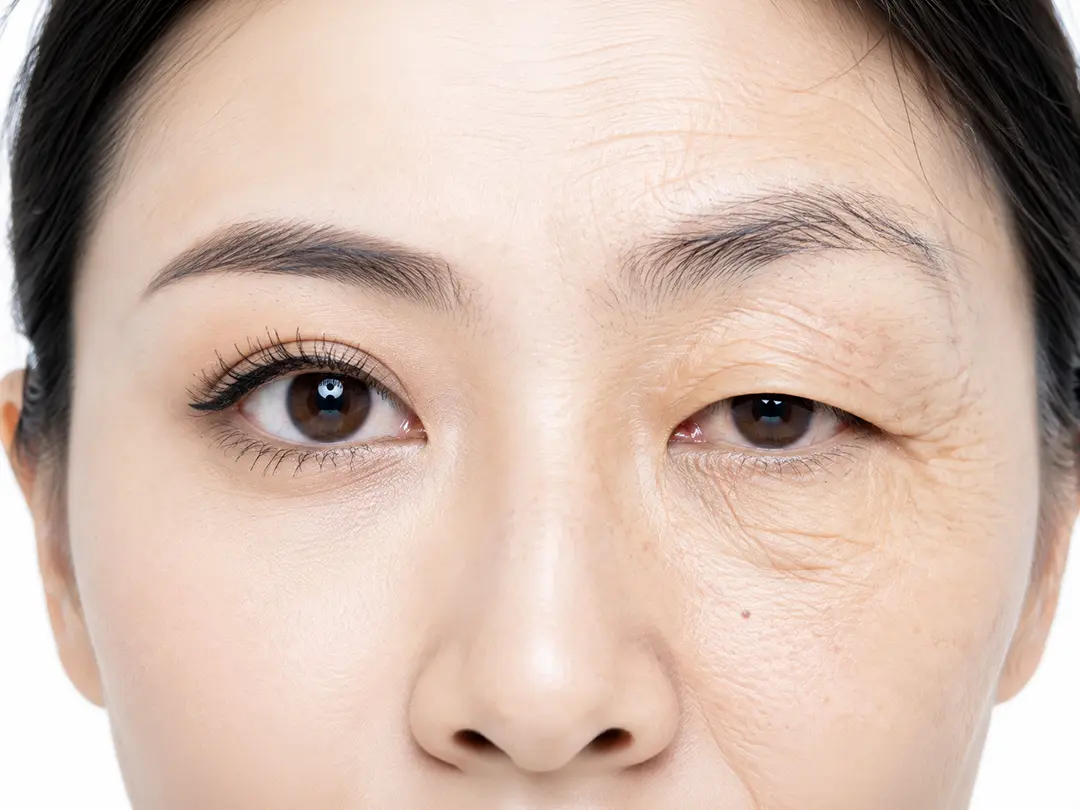
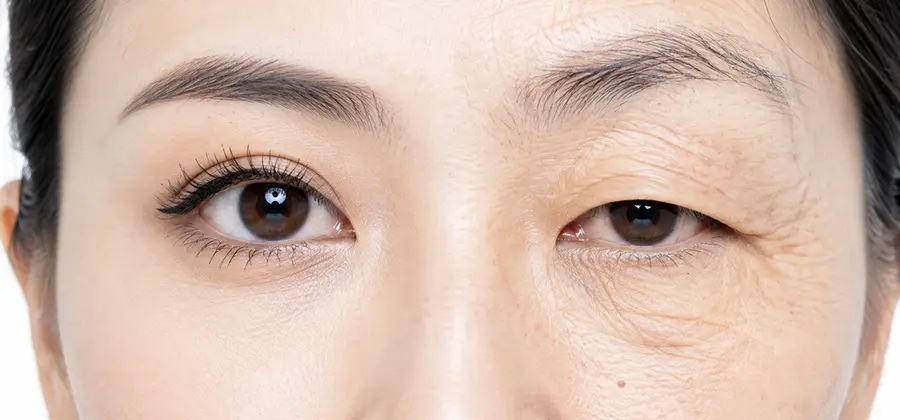
Congenital ptosis patients
Acquired ptosis (neurogenic/myogenic/aponeurotic/mechanical/mixed)
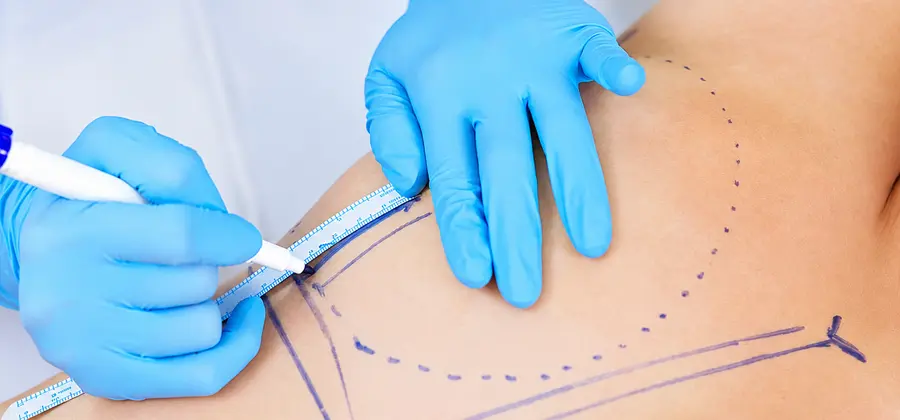
Kaohsiung Medical University Hospital Department of Plastic Surgery, led by Prof. Chun-Sheng Lai, developed the "Unveiling a New Vision for Ptosis—Innovative Frontalis Orbicularis Oculi Myocutaneous (FOOM) Flap Treatment." Ptosis is defined as the upper eyelid covering more than 1-2mm of the sclera. Etiology includes congenital and acquired (neurogenic/myogenic/aponeurotic/mechanical/mixed) types. Treatment depends on levator function and severity, with shortening (levator aponeurosis, levator muscle, Müller's muscle, tarsal plate) or sling (frontalis, FOOM flap) surgery. Traditional frontalis sling has disadvantages: recurrent ptosis, undercorrection, tent-shaped deformity, foreign body reaction, or resorption. Prof. Lai invented the FOOM Flap, officially named in 2004 and published internationally in Ophthalmologica and JPRAS in 2009-2010. Standardized preoperative evaluation (ptosis assessment forms I/II). Standardized surgical principles: normal LF (>12mm) use aponeurosis plication; good LF (10-12mm) use levator shortening; fair LF (6-9mm) use levator/Müller's shortening; poor LF (<6mm) use FOOM flap. Standardized postoperative evaluation by Souther & Vistnes 1979 method.
Prof. Lai invented FOOM Flap
Standardized pre-op evaluation forms I/II
4 procedures customized by levator function
Replaces traditional frontalis sling shortcomings
Souther & Vistnes 1979 standardized post-op evaluation
1975 eyelids of 1164 Taiwanese patients (2019)
High FOOM flap success
Replaces traditional sling shortcomings
Standardized forms I/II reduce errors
Autologous tissue avoids foreign body reaction
4 procedures reduce risk
Strict pre-op evaluation
Detailed post-op follow-up
High satisfaction for individualized procedures
World-Leading Expertise in Blepharoptosis
Silver Award of “the 2012 Symbol of National Quality (SNQ)
14th National Innovation Award (2017)
Sets new standard for ptosis treatment in Taiwan
4 procedures referenced by intl plastic surgeons
Widely-used pre/post-op evaluation forms
Significant contribution to Asian ptosis treatment
Cited in plastic surgery textbooks