Patients with peripheral vascular disease
Patients with peripheral arterial occlusive disease
Patients with valvular heart disease
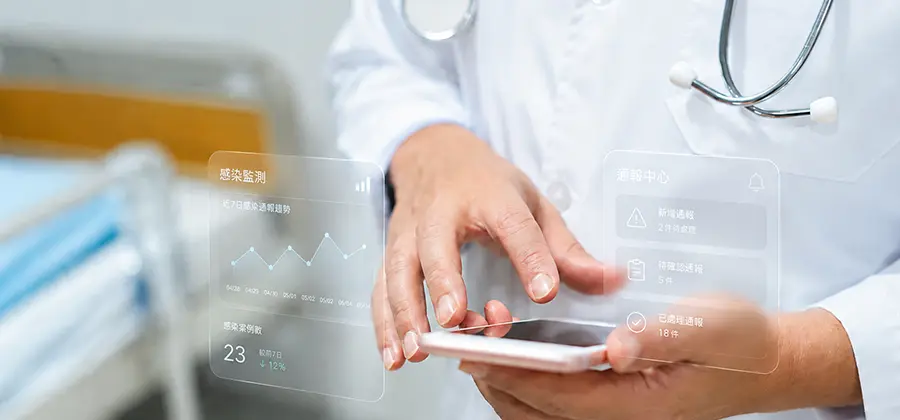
Using a fourth-generation real-time synchronous telehealth care platform integrated with artificial intelligence (AI), we provide comprehensive, integrated medical care for patients with peripheral vascular disease. The system includes 24-hour personalized health services, a wound care application, an automated electrocardiogram (ECG) interpretation system, and a postoperative wound image-based infection detection system. This integrated care model enhances the quality of clinical management and decision-making efficiency for healthcare providers, while improving patient monitoring and continuity of care. By enabling early detection and timely intervention, the platform helps reduce the risk of limb amputation, cardiovascular events, and overall mortality in patients with peripheral vascular disease.
Personalized integrated medical records: Patients often present with multiple comorbidities; integrated records are used to comprehensively assess overall clinical status and support clinical decision-making.
24-hour real-time physiological monitoring: Continuous monitoring of vital signs enables early detection of abnormalities and timely medical intervention.
Telephone follow-up and 24-hour consultation: Case managers provide proactive monitoring and consultation, reducing recurrence and complications, alleviating patient and caregiver anxiety, and improving quality of life.
Outpatient, inpatient, and emergency follow-up: Case managers accompany physicians during clinical visits to better understand patients’ home care conditions and support continuity of care.
Monthly health reports: Provide structured monthly summaries for patients, families, and physicians to facilitate disease tracking and shared decision-making.
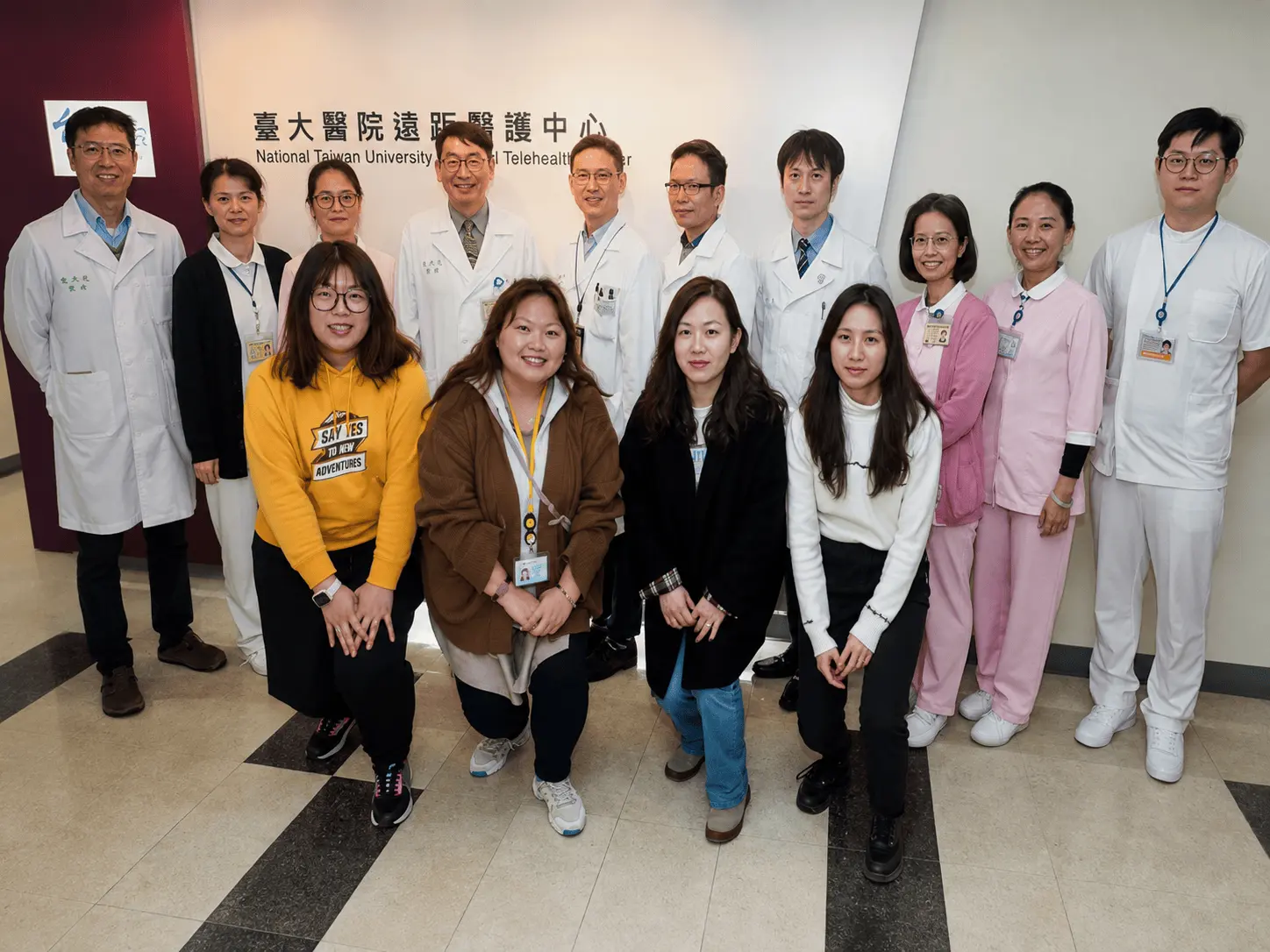
Smart telehealth platform: Enhances workflow efficiency and supports multidisciplinary teams in developing effective care plans and health management strategies.
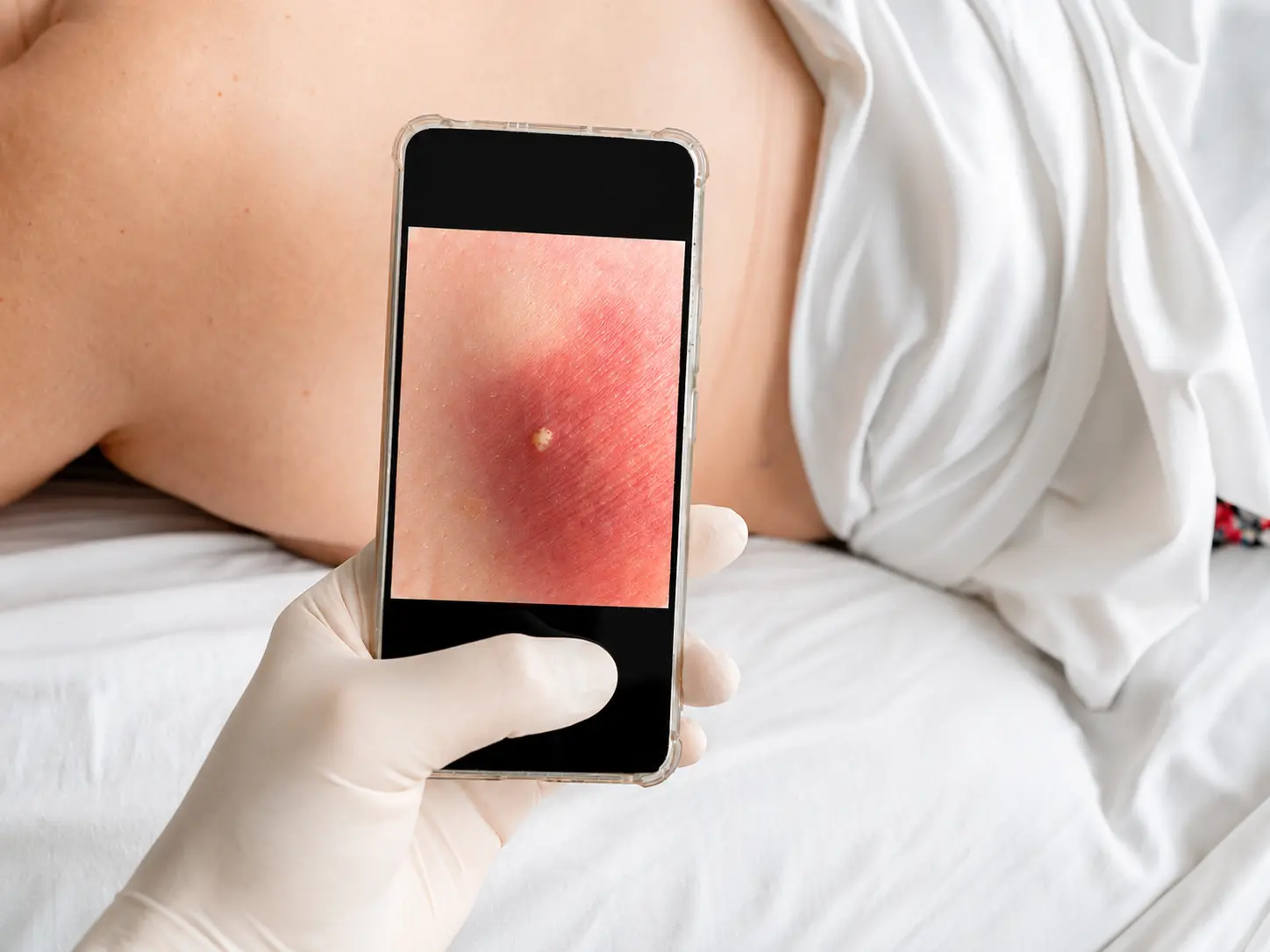
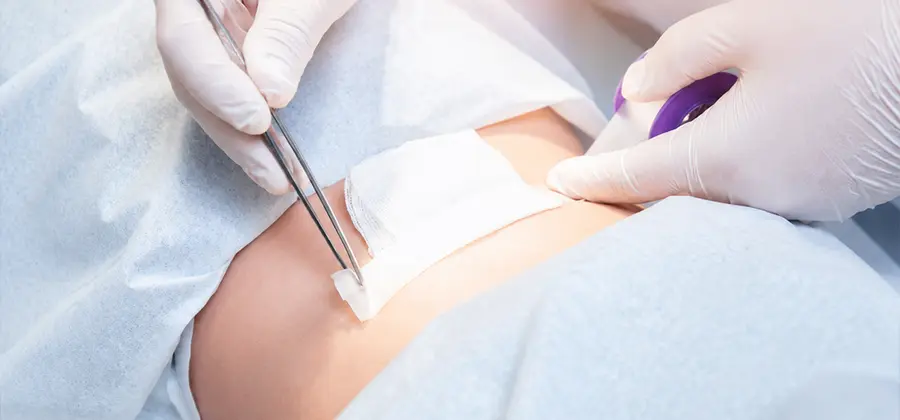
Wound care application: Patients can rapidly upload wound images via the platform for real-time professional consultation and management.
AI-based wound assessment system: Achieves approximately 90% accuracy in wound evaluation, allowing clinician secondary verification, reducing amputation risk, and supporting timely treatment recommendations.
Cumulative number of patients managed on the telehealth platform : approximately 6,800 cases (2009–2024/09)
Telephone follow-ups and incoming/outgoing calls : approximately 540,000 calls
Cumulative uploaded physiological data entries : approximately 6,230,000 records
data confirmation rate : 100%
Amputation rate : improved from 18% (U.S. 18%, U.K. 26%) to 10%
Wound healing time : reduced from 79.3 ± 36.1 days to 52.1 ± 23.5 days
Readmission frequency : decreased from 4.3 ± 2.5 to 3.4 ± 1.4
Length of hospital stay : reduced from 59.7 ± 35.3 days to 27.2 ± 24.6 days
Mortality rate : reduced from 29% to 14%
Patient care satisfaction : increased from 95.7% to 97.5%
Accuracy of AI-based wound image interpretation : improved from 84.3% to 88.3%
Adoption rate : 94% (94 out of 100 patients with peripheral arterial occlusive disease using telehealth services)
Physician referral success rate : >90%
The wound assessment system is non-interventional and does not involve medication or therapeutic procedures; therefore, no safety concerns have been identified.
Telehealth care reduces mortality, hospitalization frequency, length of hospital stay, amputation rate, and cardiovascular event incidence.
No adverse events have been reported.
Accuracy of the third-generation AI wound assessment system: 88.7% (sensitivity 91.7%, positive predictive value 92.3%)
Before improvement: 95.7%
During improvement: 96.4%
After improvement: 97.5%
World’s first publication in this field : Telehealth platform management demonstrated prevention of disease progression and improvement of valvular regurgitation
World’s first publication on lower extremity arterial disease (LEAD) : pioneering research in telehealth-based management
2024 American Heart Association (AHA) guideline : first to cite our center’s publication and include telehealth care in the management guidelines for lower extremity peripheral vascular disease
National comparison (Taiwan) : Fourth-generation telehealth platform for peripheral vascular disease is uniquely available at National Taiwan University Hospital
Regional comparison (Asia) : This fourth-generation telehealth system is exclusively implemented at National Taiwan University Hospital; it is not available at ASAN Medical Center, The University of Tokyo Hospital, Beijing Fuwai Hospital, or National University Hospital (Singapore)
Reduces stroke incidence in patients with peripheral arterial occlusive disease (PAOD), thereby lowering stroke-related healthcare expenditures.
Telehealth care for PAOD patients reduces amputation rates, improving quality of life while significantly decreasing overall medical costs.
Telehealth services reduce patients’ transportation costs and decrease the frequency of work absenteeism and income loss for both patients and caregivers.
Center data (2010–2021) demonstrated that telehealth care has a protective effect on disease progression in valvular heart disease and significantly increases the improvement rate of mitral regurgitation.
Received Ministry of Education funding for a series of courses in artificial intelligence technologies and applications.
Collaborates with multiple branches and departments within the National Taiwan University Hospital system to integrate post-discharge home care services, achieving efficient healthcare resource sharing.