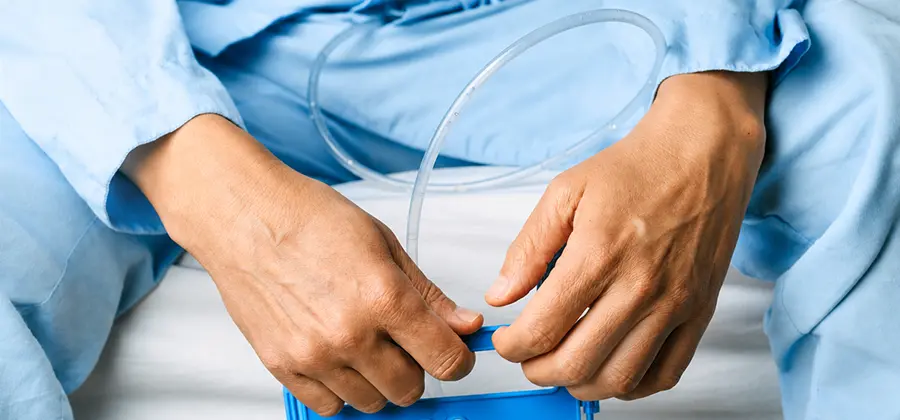
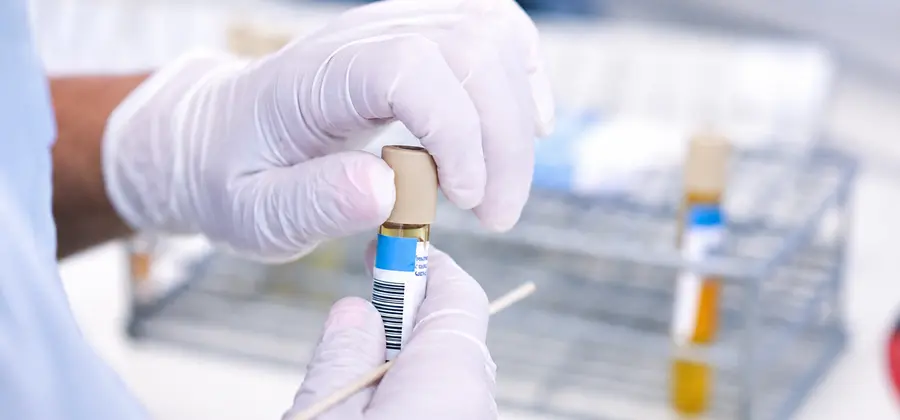
Outpatients who require specimen collection.
The proportion of elderly population in the Hualien-Taitung region has reached as high as 18.3%. In order to provide the residents of Hualien with superior medical care quality, a comprehensive reconstruction of various hardware systems was undertaken, including the "Outpatient Laboratory Sign-in System," "Specimen Reserve Management System," "Automated Check-in Kiosk," and "Urine Pneumatic Tube Delivery System." Following these optimizations, the average waiting time for outpatient blood draws was reduced by 51.1%. Additionally, the first enclosed urine pneumatic tube delivery system among all medical centers in Taiwan was established, streamlining the process for patients to submit urine specimens. After implementation, patient fall incidents occurring during the urine collection process were reduced to zero, and patient satisfaction improved from 82.1% to 96.9%. Through the enhancement of laboratory workflows, not only have patient privacy and safety been significantly improved, but the utilization of human resources among staff and the hospital has also been optimized, ultimately elevating the overall quality of patient care services.
Outpatient Laboratory Specimen Sign-in System/Automated Specimen Tube Preparation System/Automated Check-in Kiosk/Urine Pneumatic Tube Delivery System
The department performs an average of over 13,000 phlebotomy procedures annually. 2.Approximately 26,000 urine specimens are transported annually via the urine pneumatic tube delivery system.
Through outpatient phlebotomy triage and process reengineering, service efficiency and quality were significantly improved. Despite an approximately 10% increase in patient volume, average waiting time was reduced from 9.4 minutes to 4.6 minutes (a 51.1% reduction).
Following implementation of the urine pneumatic tube transport system, specimen collection time was shortened from 16.7 minutes to 7.4 minutes ( 55.7% reduction).
Specimen transport time decreased from 13.5 minutes to 3.5 minutes ( 74.1% reduction).
These improvements effectively reduced patients' time costs and physical burden, enhancing overall healthcare service efficiency and quality.
The urine pneumatic tube transport system installed in our department's restrooms features three key characteristics: Convenience & Safety — Elderly and mobility-impaired patients no longer need to travel between the restroom and the laboratory, reducing fall risks. Post-installation, fall-related incidents during urine collection dropped from 5–6 cases per year to zero, fulfilling our hospital's age-friendly care commitment. Patient Privacy — The specimen transport box is a closed system with an automatic security lock upon specimen placement, preventing unauthorized tampering or access to personal information. Specimen Security — Specimens are delivered directly to the laboratory via the track system, minimizing the risk of spillage or loss. The sealed, closable collection containers ensure specimens remain uncontaminated during transport. During the COVID-19 pandemic, our department continued serving over 400 patients daily at peak periods. Patients can place specimens directly into the transport box after restroom collection and leave immediately, eliminating the return trip to the laboratory. An alcohol dispenser is available beside each transport box for hand hygiene, reducing exposure risk. Additionally, cameras installed above each phlebotomy counter record counter-surface footage. In the event of an incident, recordings can be reviewed to clarify the facts, providing greater peace of mind for both staff and patients.
Through process optimization and smart system integration, overall outpatient satisfaction rose from 81.5% (2019) to 94.7% (2021), consistently exceeding 90% post-launch. Environmental satisfaction improved notably: restroom collection space (+16.5%), phlebotomy comfort (+17.0%), and waiting area stress relief (+26.5%). Staff professionalism scores for emotional support, timely reporting, and professional explanation increased by 10–14%.
The urine pneumatic tube transport system survey (n=152) achieved 96.1% overall satisfaction, with convenience, privacy, and safety all exceeding 90%. "Clear collection instructions" reached 97.4% and "reduced counter trips" reached 98.0%, reflecting meaningful gains in patient experience, service quality, and trust.
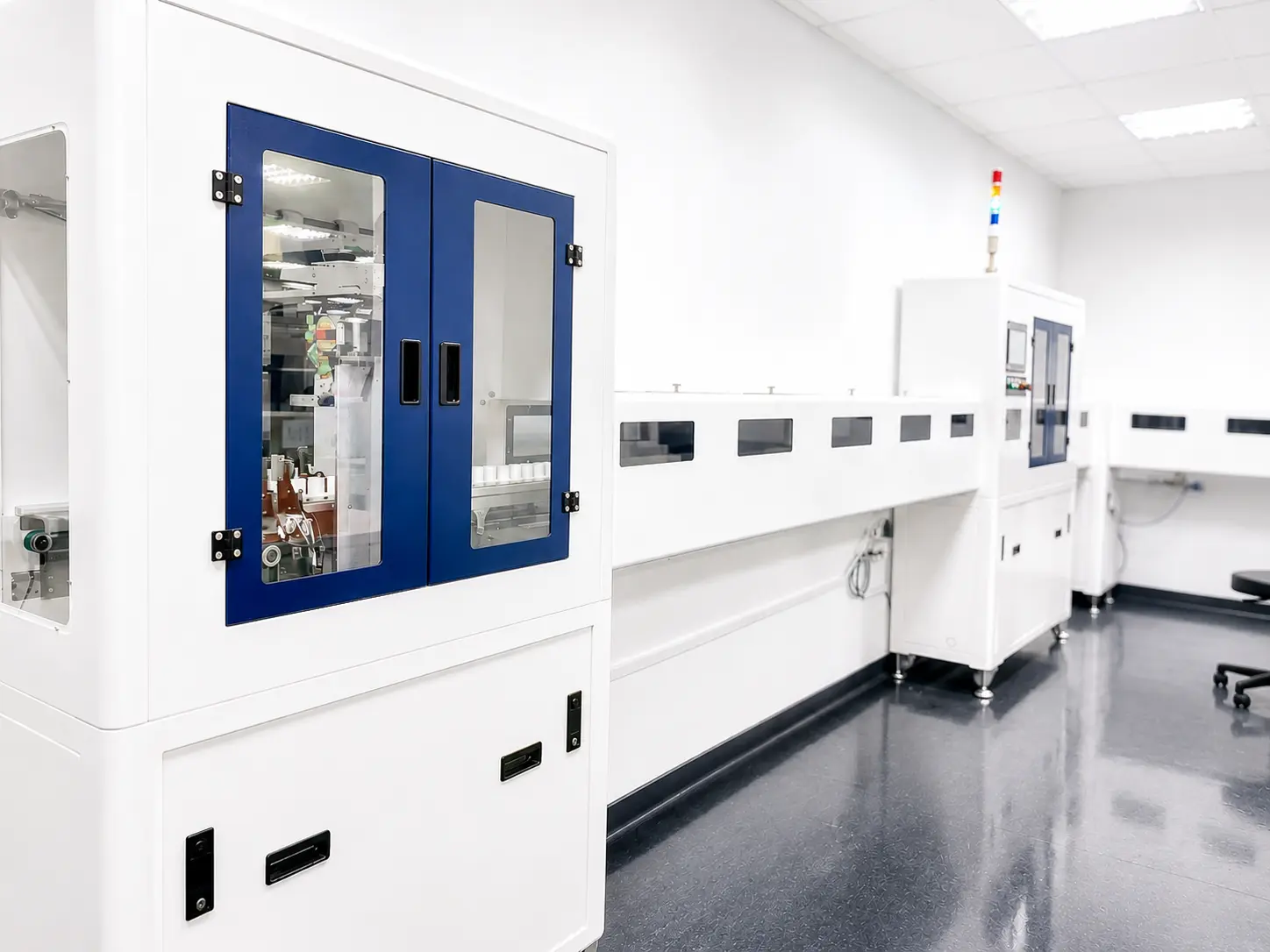
On February 5, 2021, board members and the CEO of the medical foundation, along with officials from the Hualien Health Bureau, attended the inauguration ceremony of the "Laboratory Medicine Intelligent Laboratory." Following six months of trial operation, the results were publicly shared with all sectors. The initiative successfully reduced patient waiting times. As the first medical center in Taiwan to establish a urine pneumatic tube transport system directly connecting restrooms to the laboratory, it not only enhanced patient privacy and safety, but also optimized staff and institutional human resource utilization.
In collaboration with cross-industry partners through joint design and development, we pioneered the first enclosed urine pneumatic tube delivery system in Taiwan, featuring six key advantages:
Patient Privacy Protection — The specimen deposit opening is automatically locked after use
Biological Safety Assurance — Fully enclosed system design prevents exposure and contamination
Real-time Specimen Monitoring — Comprehensive surveillance throughout the entire transport process
Smooth Patient Specimen Submission Workflow — Strategically optimized installation locations of the tube system
Reduced Risk of Specimen Contamination in the Track — Specimens remain upright and do not tip over during transport
Stable and Fault-free Track Operation — Consistently reliable performance in current operations
Our hospital has constructed the first enclosed urine pneumatic tube delivery system among all medical centers in Taiwan, directly connecting to the patient specimen collection restrooms. This innovation streamlines the process for patients to submit urine specimens, successfully reducing both the distance patients need to travel to hand in their specimens and the time required to receive their reports. At the same time, it delivers a safer, more patient-friendly, and privacy-conscious service experience for our patients.