Patients undergoing lower urinary tract surgery
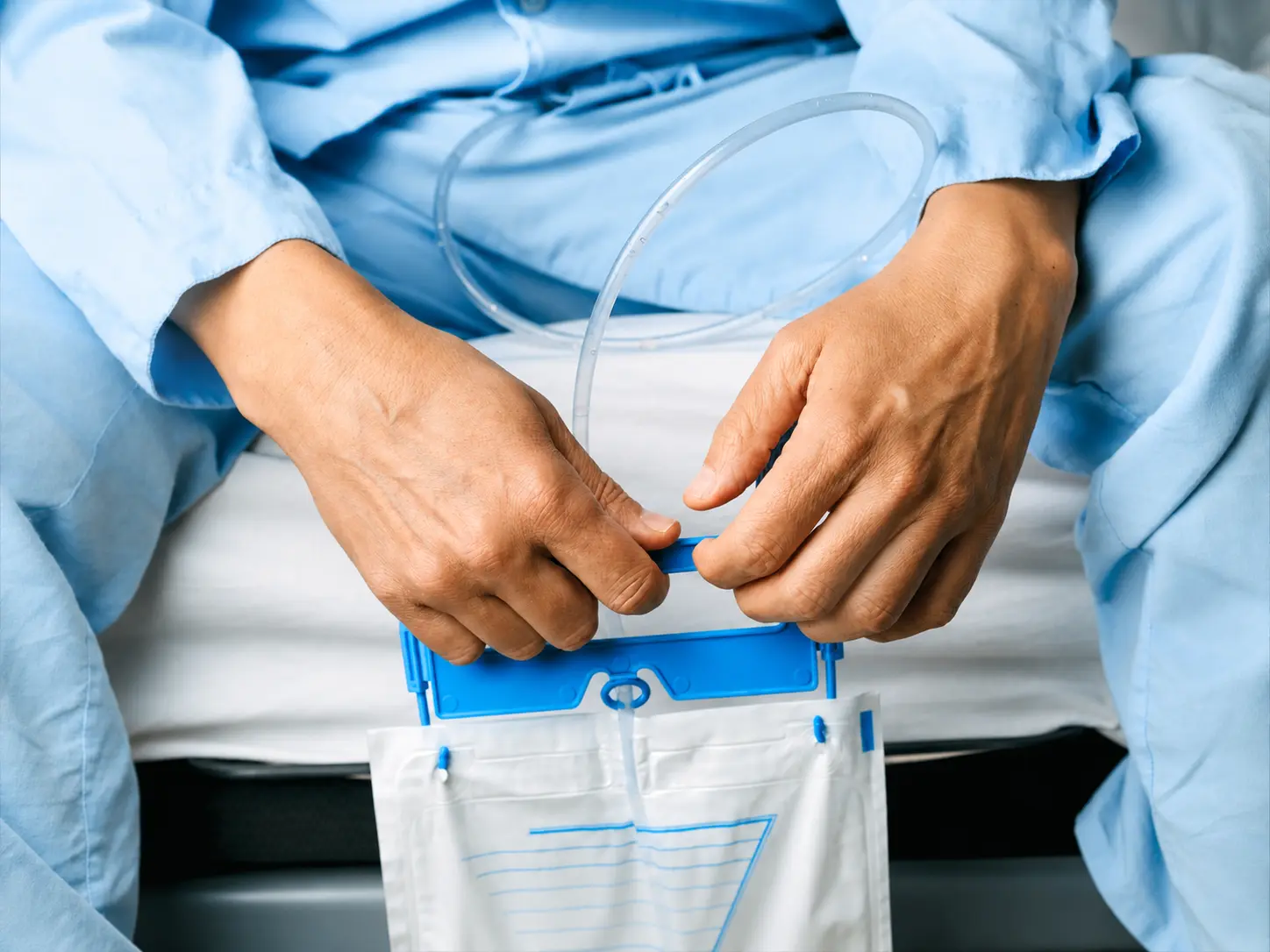
Nursing care for catheter-related bladder discomfort (CRBD) was provided through the development of a CRBD assessment form, establishment of care guidelines, in-service education, shared decision-making, and health education promotion, aiming to improve bladder discomfort in postoperative patients with indwelling urinary catheters.
Digitalize the CRBD assessment form to establish a common language between patients and nursing staff.
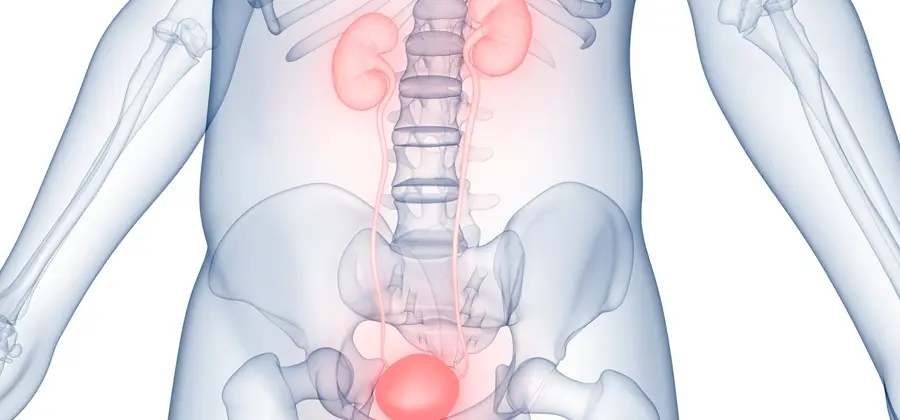
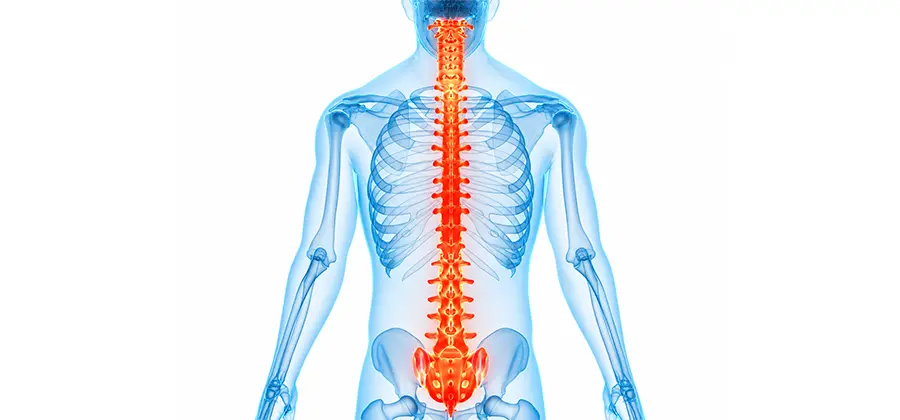
Use human-body diagrams for teaching and passing on care experience.
Establish CRBD care guidelines, including physician orders for antispasmodics and scheduled ward rounds.
2015 Innovation Project: Shared Decision-Making in Healthcare.
Promote multimedia health education through posters and videos, and develop “Nursing Care for Bladder Discomfort Moments” to provide diverse health education resources.
In 2026, the CRBD health education videos are planned to be expanded into multiple languages, including Mandarin Chinese, Taiwanese, and Truku.
From 2021 to 2026, the unit held a total of six in-service education sessions on CRBD nursing management, with 60 participants in total.
From 2021 to 2026, a total of 48 CRBD group health education sessions were conducted. The group health education satisfaction score was 4.5 out of 5 on average.
The service reached up to 13,729 inpatient person-days and received recognition from patients and their families.
Incidence of severe CRBD: maintained at 0%.
Duration of indwelling urinary catheterization: reduced from 3 days to 1 day, and eventually to no catheter placement.
Rate of unplanned urinary catheter removal: 0%.
Rate of catheter-associated urinary tract infection caused by CRBD: 0%.
Incidence of inpatient falls: 0%.
The rate of catheter-associated urinary tract infection in our hospital has remained lower than that of medical centers during the same period and international data.
The rate of unplanned urinary catheter removal was 0%, outperforming Medical Center A at 1.48%, Medical Center B at 0.78%, and international data at 0.32%.
The duration of indwelling urinary catheterization was reduced from 3 days to 1 day, and eventually to no catheter placement, outperforming the 7-day duration in medical intensive care units and international data showing a reduction from 15.8 to 12.3 days.
The average inpatient satisfaction rate from 2025 to 2026 was 94%.
Poster presentation at the Taiwan Management Association in 2016.
Poster presentation at the Taiwan Management Association in 2017.
Professional discussion on CRBD at the International Medical Association in 2017.
Various monitoring indicators outperformed those of other medical centers, and there was limited international literature focusing on this topic.
Project submission in 2018: Improving the Completion Rate of Nursing Management for Catheter-Related Bladder Discomfort.
In 2022, professional reading sessions were used to transform nurses’ understanding of pain.
Participated in book publication and multimedia CD production: 16 CRBD health education multimedia care CDs and 23 health education manuals were produced.
Nurses shared their care experiences through magazine publications, including “Falling in Love with Human-Body Diagrams,” “No More Pain in the Lower Urinary Tract,” “Listening to the Voice of Pain,” and project presentations.
Following the honor of receiving the Bronze Award, the team was invited to contribute to the Taiwan Nurses Association’s teaching case book, Nursing Clinical Teaching Methods and Teaching Case Design.
A patient sent a flower basket to the nursing station to thank the nursing staff for managing bladder discomfort.