Neuromuscular diseases, NMD
Pediatric neuromuscular diseases (NMDs) include many rare degenerative disorders. Beyond motor impairment, patients often develop respiratory dysfunction, the leading cause of death. Recent standardization of multidisciplinary care has improved survival and quality of life, with respiratory management being crucial. Our team addresses current gaps by further standardizing key respiratory processes across outpatient, emergency, ICU, discharge, and home care. We integrate non-invasive biphasic positive airway pressure ventilators with cough-assist devices for both hospitalized and home patients, resulting in fewer invasive procedures (e.g., tracheostomy), shorter ICU stays, improved home care skills, and reduced rehospitalization. Through telemedicine, we guide other hospitals in implementing these standards and collaborate with patient associations to educate families. These efforts have transformed patient outcomes, reducing dependence on invasive ventilation, enhancing quality of life, independence, and social participation, and empowering families to provide effective care at home.
SMA Cardiopulmonary Rehabilitation Program
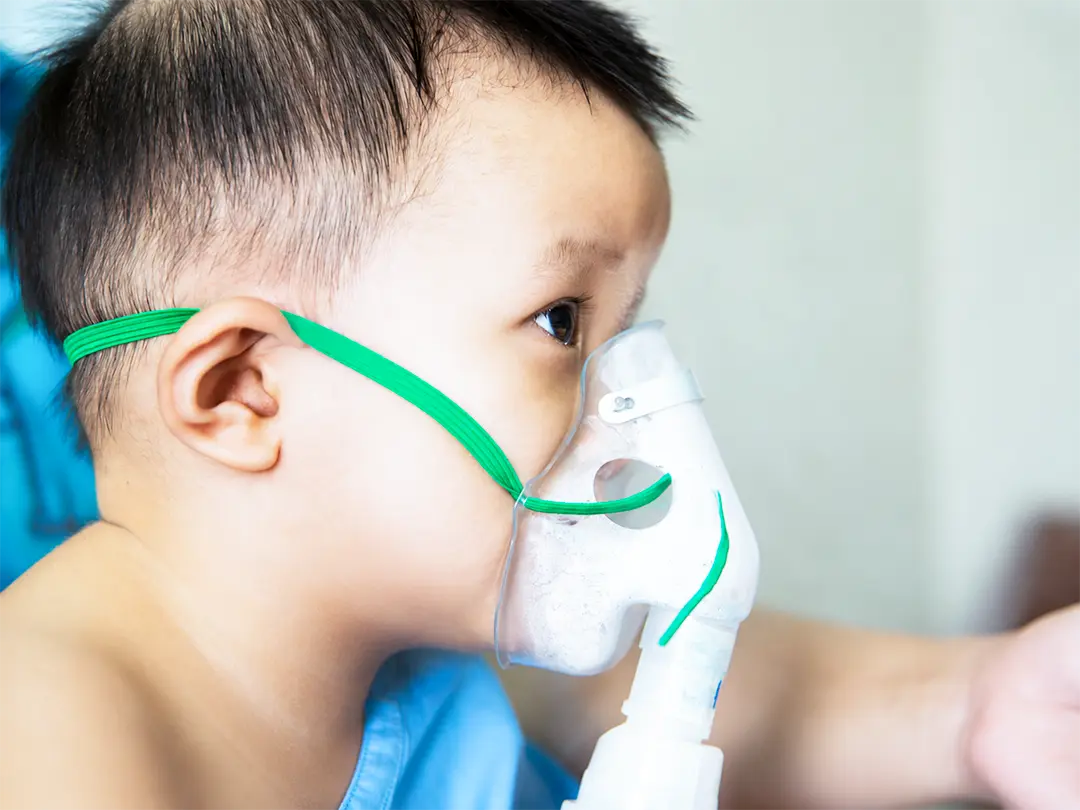
Promote the use of mechanical cough assist devices and non-invasive ventilators.
Standardization of NMD Follow-up
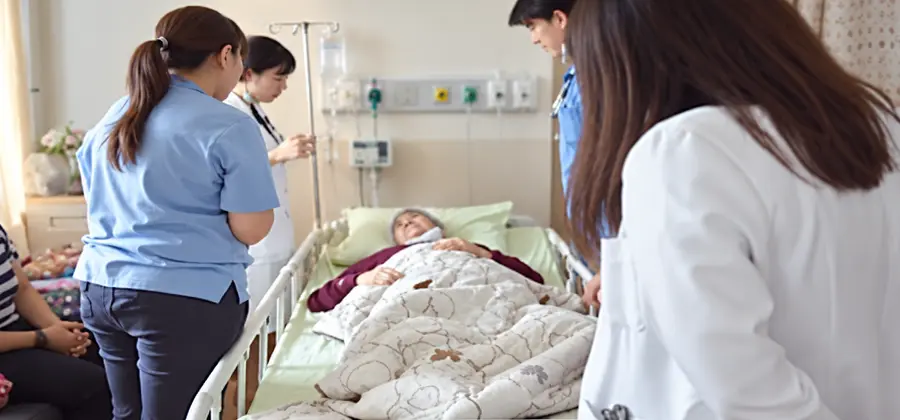
Simulation-based Training for Primary Caregivers
An average of 1,060 follow-up visits are conducted annually at the neuromuscular clinic.
A total of 138 patients with SMA received National Health Insurance–covered pharmacological treatment.
A total of 153 patients completed the cardiopulmonary rehabilitation program.
The intubation rate among NMD patients with respiratory failure was reduced to 34.3%.
The postoperative extubation success rate in NMD patients reached 97%.
The decline rate of forced vital capacity (FVC) in patients with Duchenne muscular dystrophy (DMD) was 3.7% per year.
The decline rate of forced vital capacity (FVC) in patients with type II spinal muscular atrophy (SMA) was 1.6% per year.
The number of pneumothorax cases among neuromuscular patients in 2023 and 2024 was zero.
The mortality rate due to acute illnesses among NMD patients from 2007 to 2024 was 5.4%.
The incidence of complications associated with non-invasive ventilation from 2007 to 2024 was 0%.
Outpatient physicians’ professional satisfaction reached 96 points.
Family members’ satisfaction with the simulated care training reached 93.3%.
Family members’ satisfaction with the care and information provided by the overall care team reached 94.2%.
A total of 160 articles were published in international journals between 2005 and 2025.
Presentations are delivered annually at the World Muscle Society (WMS) International Annual Congress.
Lectures and presentations are given annually at the Asian and Oceanian Myology Association (AOMA) meetings.
Actively promote the use of mechanical cough assist devices and non-invasive ventilators among NMD patients to improve their quality of life.
Hold international clinical pathology symposiums on a regular annual basis to enhance the quality of NMD diagnosis.
Actively participate in international clinical trials of pharmacological treatments for neuromuscular diseases.