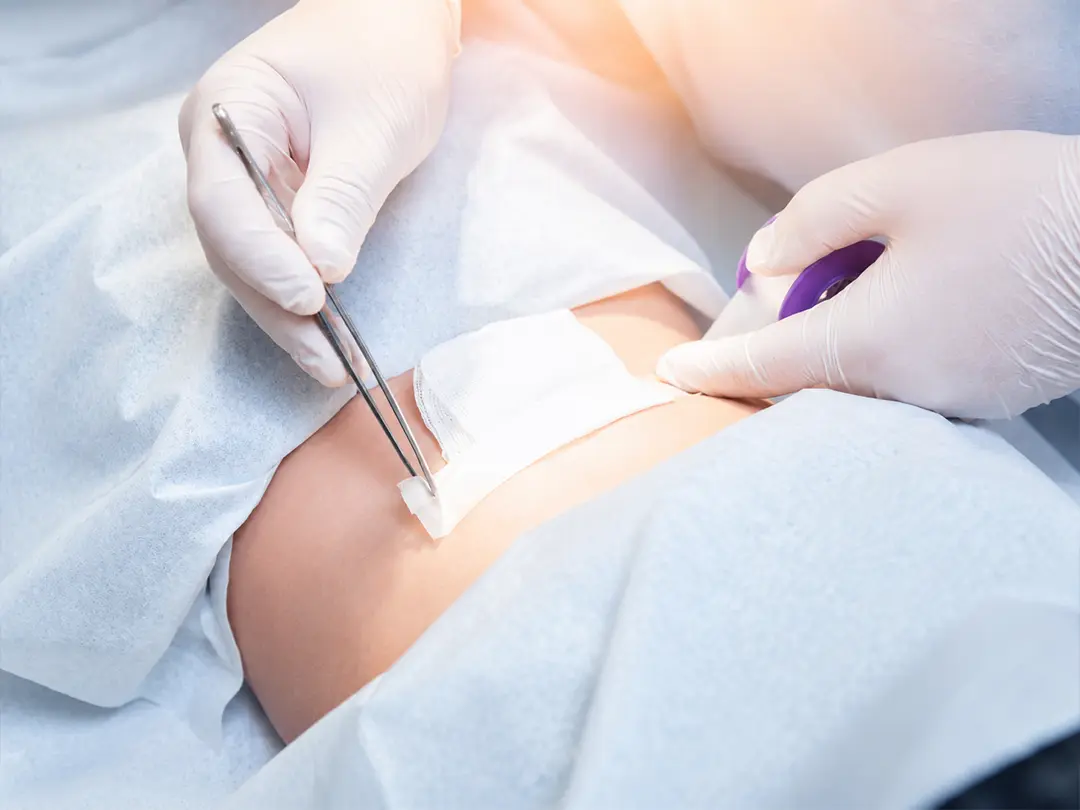
Target population includes wound and ostomy care in inpatient and outpatient settings, including preoperative, postoperative, chronic, and complex care, as well as caregivers' education and support.
Interdisciplinary Integrated Care Model: Combines nursing, medical, and allied health professionals to deliver seamless, patient-centered care across inpatient and outpatient settings. Standardized Pre- and Postoperative Ostomy Pathway: Includes preoperative stoma site marking, 100% postoperative education completion, and structured follow-up to ensure continuity and safety. Comprehensive Complex Wound Management: Provides evidence-based treatment for chronic, acute, and difficult wounds, including advanced dressings and individualized care plans. Specialty Nurse-Led Care System: Delivered by highly trained wound and ostomy nurses, ensuring high-quality, consistent, and specialized interventions. National Training and Education Hub: Functions as a leading center for professional training, simulation-based education, and capacity building in wound and ostomy care. Patient Support and Empowerment Programs: Establishes peer support groups and education systems to enhance self-care ability, psychosocial adaptation, and long-term outcomes. Continuous Quality Improvement and Data Monitoring: Utilizes indicators (e.g., service volume, satisfaction, outcomes) to drive PDCA-based quality enhancement and clinical excellence. Innovative Practice and Global Alignment: Integrates new materials, technologies, and participates in international collaboration to align with global standards and advance care models.
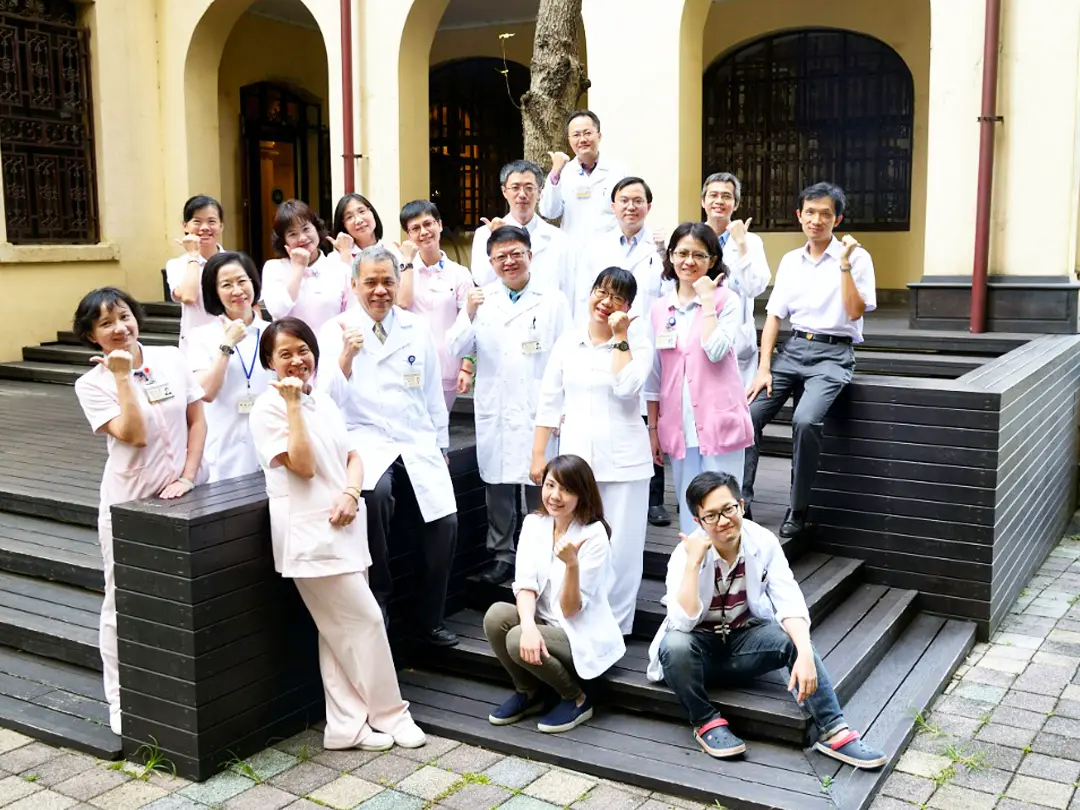
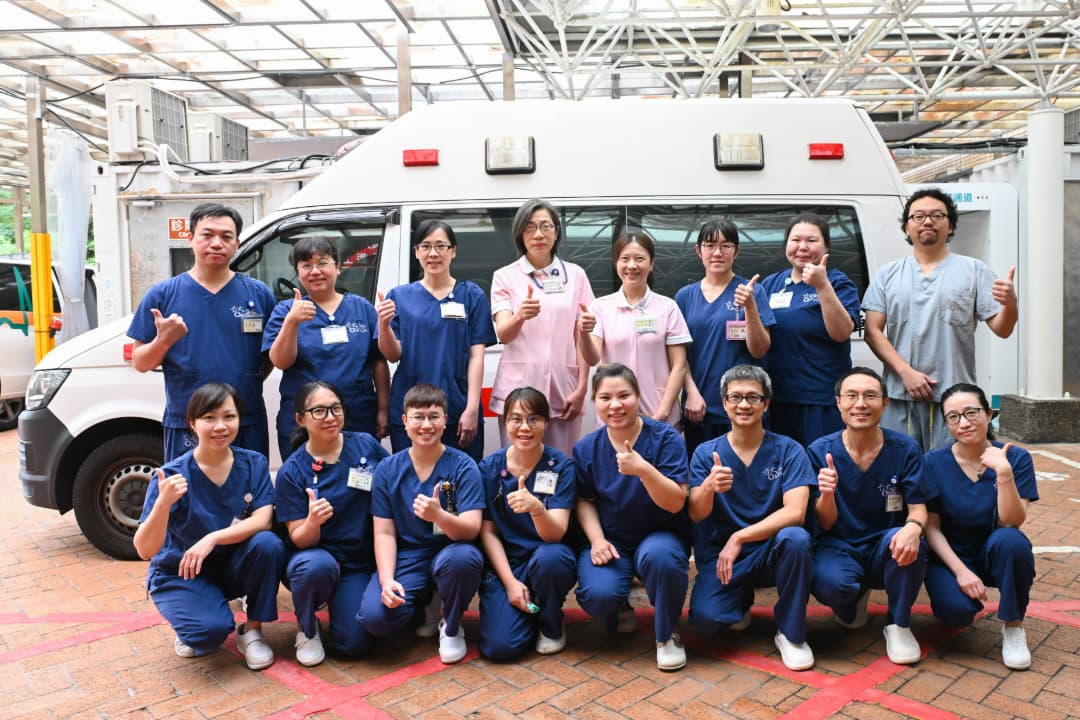
For over 20 years, our team has been a pioneer in wound, ostomy, and continence care in Taiwan. We established Taiwan’s first ET nurse-led integrated consultation service, dedicated Wound and Ostomy Treatment Center, and wound-ostomy case management information system.
We led the digital transformation of wound care by implementing electronic pressure injury documentation, integrating the TIME assessment framework, and developing AI-assisted pressure injury management, risk identification, and quality monitoring systems.
Clinical innovations include customized ostomy support devices and the pioneering use of Negative Pressure Wound Therapy (NPWT) for enterocutaneous fistula management in Asia. Quality outcomes improved significantly, with preoperative stoma site marking reaching 95.1%, appropriate stoma siting 97.3%, a 8.1% reduction in peristomal dermatitis, and patient satisfaction of 98.7%.
Internationally, the team contributed to APETNA, represented Taiwan in international guideline consensus initiatives, and delivered invited lectures in Australia, Hong Kong, and Japan. Through innovation, digital transformation, and global collaboration, we continue to advance wound, ostomy, and continence care in Taiwan and the Asia-Pacific region.
From 2023 to 2025, the Wound, Ostomy, and Continence Care Team demonstrated sustained growth in both service volume and clinical complexity. Annual patient encounters increased steadily from 13,449 to 14,229, reflecting the growing demand for specialized wound, ostomy, and anorectal care. Ostomy care remained the largest service category, accounting for more than 8,000 visits annually, while wound care services showed continuous growth, highlighting increasing needs related to chronic wounds, pressure injuries, and complex postoperative wound management.
our team consistently managed more than 200 new ostomy patients each year. Colostomies and ileostomies represented the majority of cases, primarily associated with colorectal cancer, inflammatory bowel disease, and major abdominal surgery. Additional cases included permanent stomas, jejunostomies, and ileal conduits, demonstrating expertise in both gastrointestinal and urinary diversion care.
Supported by specialized ET nurses and multidisciplinary collaboration, the team provides comprehensive care spanning preoperative counseling, stoma site marking, postoperative management, wound treatment, discharge planning, and long-term follow-up. Through standardized care pathways, innovative practices, and digitalized case management, the team continues to improve patient outcomes, enhance self-care abilities, and serve as a national benchmark in wound, ostomy, and continence care.
The team has established a standardized, ET nurse-led care model to continuously improve the quality of ostomy care. Through a comprehensive preoperative assessment and stoma site marking program, the Elective Intestinal Stoma Preoperative Site Marking Rate increased from 83.9% in 2023 to 95.1% in 2025, ensuring that patients receive professional site marking before surgery. This improvement contributed to an increase in the Appropriate Stoma Siting Rate from 92.4% to 97.3%, resulting in better pouch adherence, enhanced self-care ability, and improved quality of life. In addition, through individualized patient education, appropriate pouch selection, and continuous follow-up management, the Peristomal Irritant Dermatitis Rate decreased from 18.2% in 2023 to 10.1% in 2025, representing a 8.1% reduction over three years. These outcomes demonstrate that standardized preoperative stoma marking, professional case management, and ongoing quality improvement can effectively reduce stoma-related complications, enhance patient self-management, and achieve excellent clinical outcomes in ostomy care.
The team's roles in pressure injury quality monitoring within the hospital include assisting in the development of care guidelines, providing clinical care consultation and staff education and training, and conducting pressure injury data analysis and improvement. Key strategies include:
Utilizing e-technology to improve the efficiency of pressure injury indicator management: In 2011, we assisted in the digitization of "Pressure Injury Wound Care Records" and "Wound Care Records" . In 2013, we built a smart pressure injury platform. In 2019, we established a pressure injury indicator dashboard using a medical smart decision support system, improving the efficiency of indicator managers, supervisors, and head nurses in enabling timely root cause analysis and improvement review.
Improving the quality of pressure Injury care: Our team developed a "Pressure Injury Care Process Completion Rate" assessment form 2013. It was included in the central quality control indicators, with annual target values and regular assessments. The assessment results improved from 97.3% in 2013 to 99.7% in 2025.
Reducing the incidence of pressure Injuries: The incidence of pressure injuries was included in the central quality control indicators, with monthly monitoring and reviews for improvement. From 2013 to 2025, the incidence of pressure injuries decreased from 2.83% to 0.7% in the SICU, from 1.97% to 0.92% in the MICU, and from 1.85% to 1.01% in the CCU.
Guided by a patient-centered philosophy, our team has established a systematic patient satisfaction survey and quality improvement framework, regularly collecting feedback from patients and caregivers to drive ongoing service enhancement. Overall satisfaction has remained consistently high at approximately 98% over the past three years, increasing from 97.8% in 2023 to 98.3% in 2024 and 98.7% in 2025, demonstrating sustained excellence and continuous improvement. Survey results indicate high levels of satisfaction with the specialized ET nurses’ professional expertise, preoperative and postoperative education, individualized care guidance, problem-solving abilities, and multidisciplinary care coordination. Through a comprehensive case management program, standardized care pathways, and continuous follow-up services, the team has successfully enhanced patients’ self-care abilities, reduced complications, and improved overall quality of life. These outstanding satisfaction outcomes reflect the team’s excellence in clinical care, compassionate support, and service quality, earning strong trust and recognition from both patients and their families.
Our team has established a comprehensive ET nurse-led care model integrating preoperative assessment, inpatient care, discharge planning, and long-term follow-up, setting a national benchmark for wound, ostomy, and continence care. Through wound and ostomy case management information system, combined with AI-assisted case management, risk identification, and quality monitoring, care efficiency, patient safety, and clinical outcomes have been significantly enhanced.
Standardized preoperative stoma site marking and individualized case management have improved stoma placement quality and reduced peristomal skin complications. Innovative practices, including negative pressure wound therapy for enterocutaneous fistulas and customized ostomy support devices, have further improved outcomes for complex patients.
Patient satisfaction increased from 97.8% in 2023 to 98.7% in 2025, reflecting excellence in professional care, patient education, and multidisciplinary collaboration. The team has also contributed to international healthcare through APETNA, the Pan Pacific Pressure Injury Guideline Consensus Meeting, and academic presentations in Australia, Hong Kong, and Japan.
By integrating digital transformation, AI innovation, research, education, and international collaboration, the team continues to advance high-quality, evidence-based, and sustainable wound, ostomy, and continence care while strengthening Taiwan’s international influence.
By developing Taiwan’s first wound and ostomy case management information system and incorporating AI-assisted case management, risk stratification, and data analytics, the team has strengthened clinical decision-making, quality monitoring, care efficiency, and patient safety. The integration of the TIME wound assessment framework and digitalized quality indicators further supports standardized, evidence-based practice. Innovative clinical solutions, including negative pressure wound therapy for enterocutaneous fistulas, customized ostomy support belts, and feeding tube fixation devices, have enhanced outcomes for patients with complex care needs. Through individualized education, multidisciplinary collaboration, and AI-supported follow-up, the team has improved patients’ self-management abilities, reduced emergency visits and unplanned readmissions, and optimized healthcare resource utilization. Beyond clinical practice, the team actively contributes to international healthcare advancement through participation in APETNA, the Global Best Practice Principles for the Prevention of Incontinence-Associated Dermatitis (IAD), the Pan Pacific Pressure Injury Guideline Consensus Meeting, and academic exchanges in Australia, Hong Kong, and Japan. Through digital transformation, AI-driven innovation, professional education, research, and international collaboration, the team continues to enhance Taiwan’s influence in the global healthcare community.