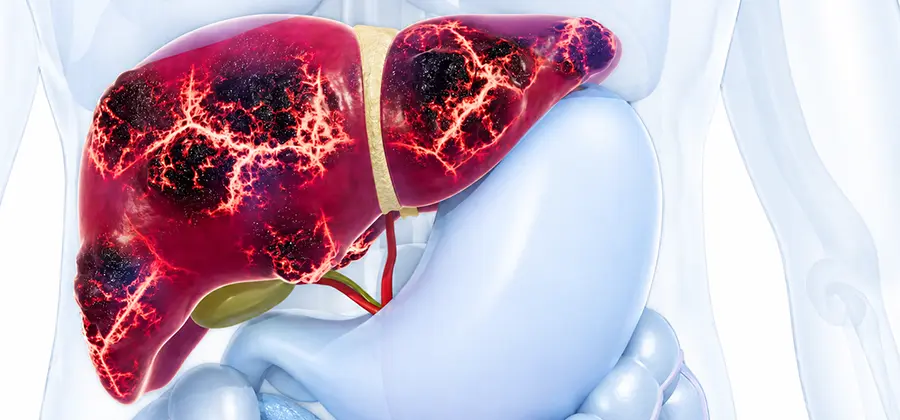
Patients aged 18 years or older with gallbladder and bile duct stones who are suitable for surgery under general anesthesia.
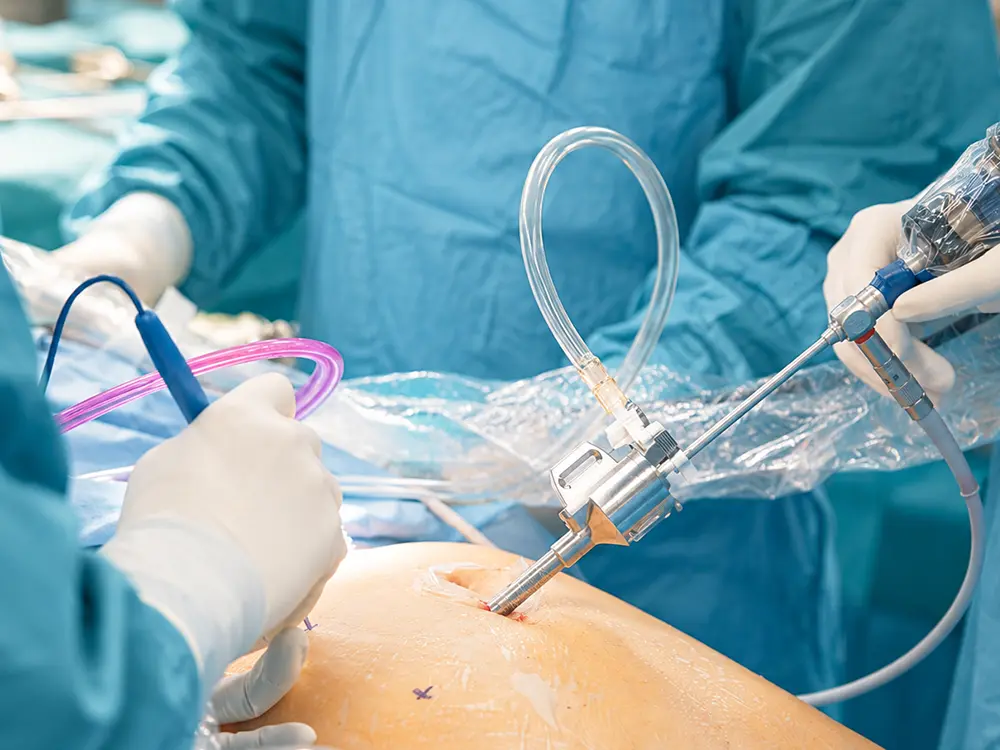
Using a single 2 cm umbilical incision, a one-stage procedure addresses both bile duct and gallbladder stones, preventing future gallbladder stone migration into the bile duct and subsequent obstruction. This approach avoids complications associated with two-stage treatments like endoscopic retrograde cholangiopancreatography (ERCP), such as pancreatitis, duodenal bleeding or perforation, chronic cholangitis, and bile duct stone recurrence.
Compared to traditional laparoscopic surgery, single-incision laparoscopic surgery eliminates the need for T-tube bile drainage, resulting in less pain, faster recovery, and a scar concealed within the navel, achieving excellent cosmetic outcomes. For rare and complex cases of Mirizzi Syndrome McSherry type II, we developed the groundbreaking technique, single-incision laparoscopic transfistulous bile duct exploration. This approach has a 100% bile duct stone clearance rate, an average postoperative hospital stay of just four days, and zero rates of stone recurrence or delayed bile duct stricture, making it a global pioneer.
This surgery is also safely applicable to elderly patients, and the results have been published in the prestigious international journal Surgical Endoscopy.
Single-incision laparoscopic choledocholithotripsy with choledochoscopy, single-incision laparoscopic choledocholithotripsy via longitudinal cystic ductotomies, and single-incision laparoscopic bile duct suturing.
Since August 2020, the Kaohsiung Medical University Hospital (KMUH) surgical team has completed over 100 cases of Single-Incision Laparoscopic Common Bile Duct Stone Extraction (SIL-CBDE) combined with Cholecystectomy within approximately four years. Including previous cases performed at other hospitals, the team leader, Dr. Shu-Hung Chuang, has completed more than 300 of these procedures.
Clinical Outcomes
Based on retrospective study data from KMU between August 2020 and January 2024:
The average patient age was 62 years, with half being elderly patients aged 65 and above.
The average surgical duration was 3.5 hours.
The mean operative blood loss was 34 mL.
The average postoperative hospital stay was 4.4 days.
The stone clearance rate was 98.8%. One case (1.3%) of residual stones was successfully cleared by a gastroenterologist using endoscopic retrograde cholangiopancreatography (ERCP) with endoscopic sphincterotomy (EST).
The success rate of single-incision laparoscopic surgery was 93.8%, with a conversion rate of 6.2% (five cases required conversion to two-port laparoscopic surgery).
There were 12 cases (15%) of complications, of which ten (83.3%) were mild, classified as Clavien-Dindo grade I or II. The remaining twoi cases were classified as grade IIIA.
To date, there are three cases of bile duct stone recurrence without mortality.
Compared with recent large-scale studies on multi-incision laparoscopic bile duct exploration, our outcomes are superior in terms of stone clearance rate, postoperative hospital stay, and conversion to open surgery rate. The rate of Clavien-Dindo grade II or higher complications is well within international benchmarks.
Key Quality and Safety Mechanisms
All instruments and equipment (3D/2D laparoscopic imaging systems, extended length laparoscopic instruments, choledochoscopy sets) and disposable products (self-paid single-incision laparoscopic devices) are certified by Taiwan FDA.
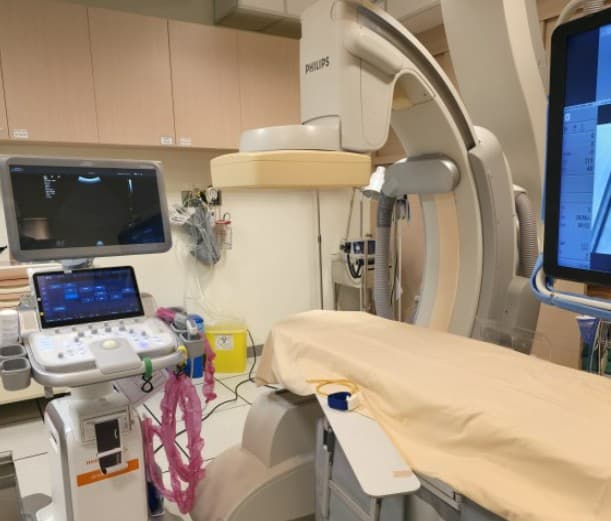
Choledochoscopic bile duct exploration and intraoperative cholangiography to double-check bile duct stone clearance.
Morning surgical case reviews and complication discussion meetings.
Establishment of a prospective database to regularly review treatment outcomes.
Collection of postoperative quality of life questionnaires and patient satisfaction surveys.
Engaging in various clinical research studies: randomized controlled trials, case-control studies, cohort studies, retrospective studies, etc.
Many patients have reported a postoperative pain score of only 1 (on a 10-point Verbal Rating Scale, where 10 represents the most severe pain imaginable).
Eight papers on Single-Incision Laparoscopic Common Bile Duct Stone Extraction (SIL-CBDE) have been published in international medical journals, half of which were contributed by our team.
Our approach—integrating single-incision minimally invasive surgery, one-stage common bile duct stone extraction and cholecystectomy, a transcystic approach for bile duct exploration, and the avoidance of T-tube drainage—either meets or exceeds international trends and standards. Compared to international single-incision and multi-port techniques, our performance consistently ranks above the global standard.
Analysis at Kaohsiung Medical University Hospital (KMUH) from 2017 to 2023 indicates that SIL-CBDE offers distinct advantages over multi-port or endoscopic surgeries, including shorter hospital stays and fewer required treatment sessions.