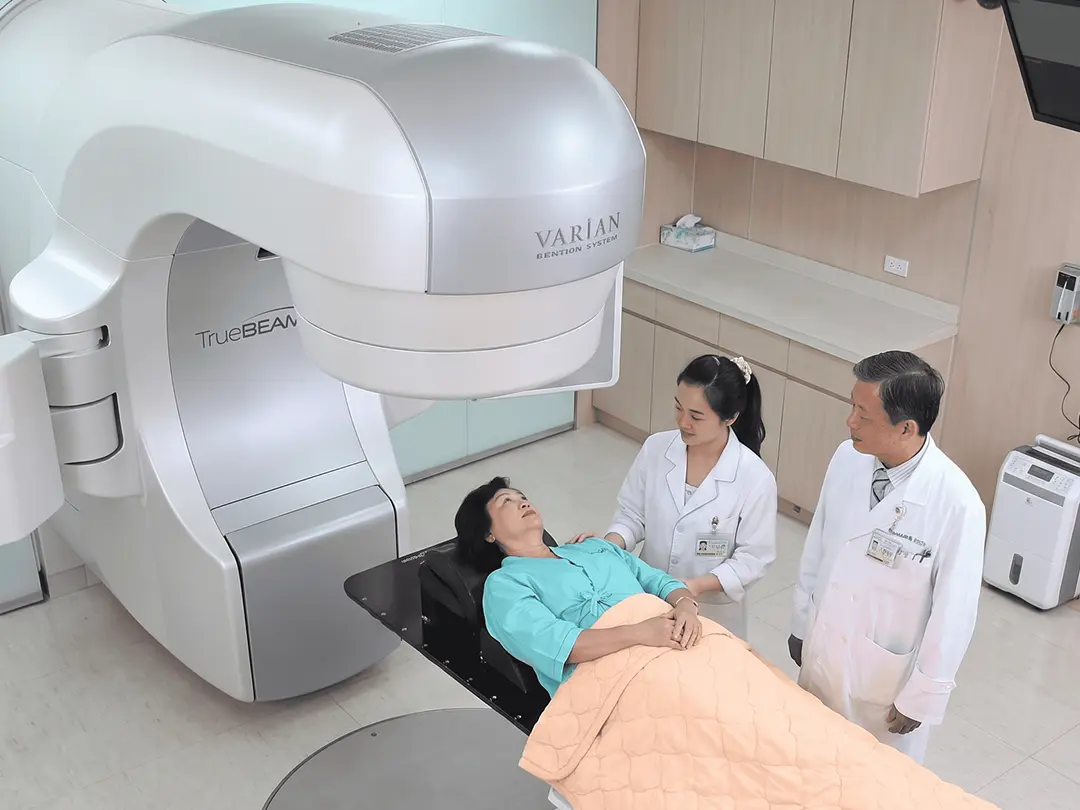
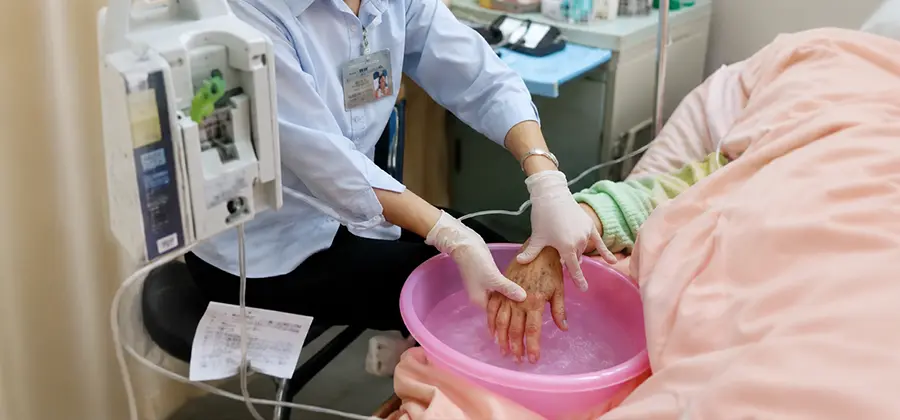
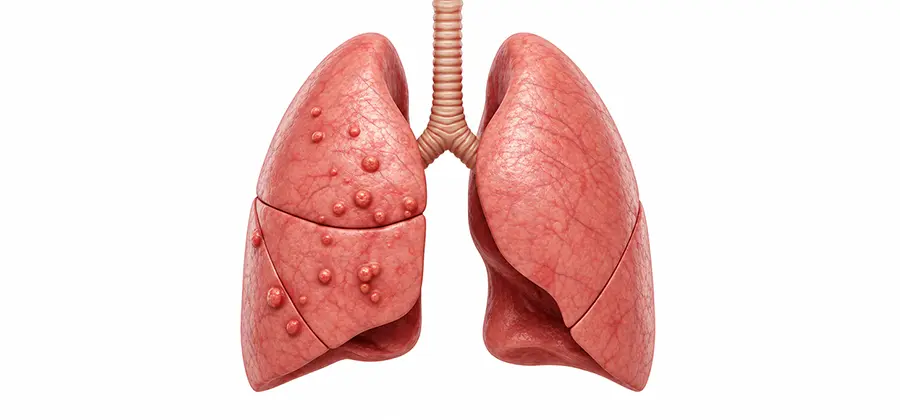
Patients with various cancers receiving radiation therapy
Radiation oncologists and multidisciplinary care teams
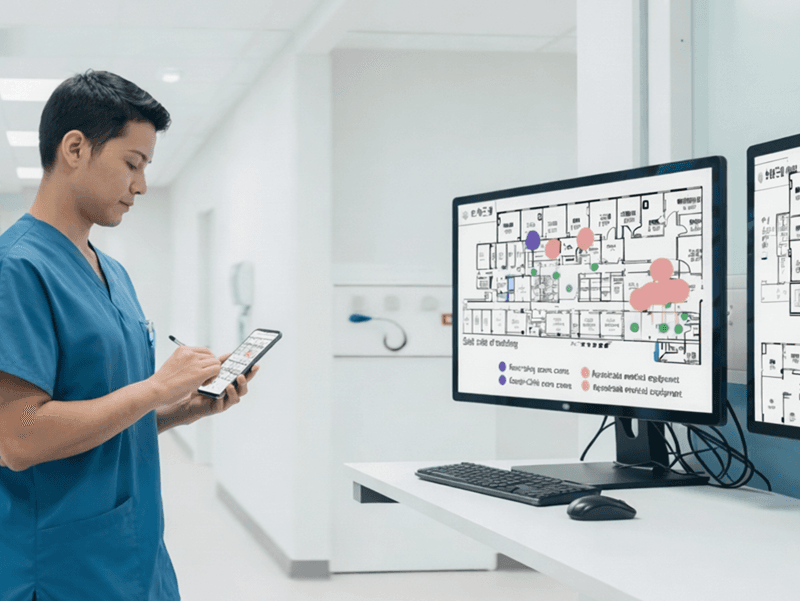
This project established an Informatized Monitoring and Statistical Analysis System for radiation therapy side effects by integrating treatment scheduling, new patient evaluations, treatment summaries, side effect grading, treatment interruption reasons, and Grade 3+ intervention records into the hospital information system (HIS). This full-process integration eliminates the need for cross-system comparisons and ensures real-time data synchronization. The system features automated reporting and one-click query functions, with monthly cancer quality reports generated automatically, reducing manual statistical workload by 90%. The statistical time for managing Grade 3 or higher side effects has significantly improved, from 4 hours to under 10 seconds. Users can filter data by cancer type, side effect category, grade, and time interval. Following implementation, the completion rate for side effect management improved from 72.2% to 100%, and the proportion of patients with treatment interruptions longer than 20 days decreased from 10.4% to 3.3%. Patient satisfaction reached 92.8%, and staff satisfaction reached 94.7%, demonstrating wide approval from both groups. The system has been successfully adopted across multiple hospital branches, extending its benefits beyond a single institution. Compared to many domestic institutions still relying on fragmented or manual systems, this project has achieved real-time monitoring and data automation levels comparable to leading international cancer centers. It serves as a national benchmark for digital innovation in radiation oncology, improving patient safety, treatment continuity, and interdisciplinary data access.
Real-time monitoring and grading statistics of treatment-related adverse effects
Statistical query functions across multiple cancer types and time periods
Longitudinal tracking of adverse event grade changes in individual patients
Monitoring of adverse event management completion rates and severe event reporting
Documentation and statistical analysis of treatment interruption causes
Shared data interface for multidisciplinary care teams
100% documentation rate of radiotherapy side effects
Coverage of the full radiotherapy course across multiple cancer types
Real-time integration of side effect data within the HIS
100% completion rate of Grade 3 adverse event management
Treatment interruption rate reduced to 3.3%
Side effect query time shortened to within 10 seconds
All Grade 3 adverse events appropriately managed
No unresolved severe adverse events
Real-time alerts effectively reduce clinical risks
Patient satisfaction rate reached 92.8%
Staff satisfaction rate reached 94.7%
High recognition of timely side effect management
Management completion rate exceeded international reports
Aligned with global eHealth real-time monitoring trends
Comparable to practices of international cancer centers
Manual statistical workload reduced by 90%
Reduced emergency department visits and hospitalizations
Improved treatment completion rates among patients