Patients requiring evaluation and treatment for various types of hernias
The General Surgery Department at Cathay General Hospital aims for "Precise Repair, Recurrence Termination" in treating recurrent hernia. Recurrent hernia surgeries pose higher risks due to tissue scarring and anatomical changes. Over the past 20 years, we have performed over 8,400 hernia surgeries, including more than 1,000 recurrent cases (15% of total), achieving a re-recurrence rate of only 3%, significantly lower than the global average of 5%. Employing evidence-based Tension Free Repair (TFR) techniques, we combine laparoscopic and open approaches tailored to individual patient conditions. Standardized preoperative assessments, Patient Decision Aids (PDA), and postoperative tracking systems minimize complications, shorten recovery times, and enhance quality of life. Our multidisciplinary team, integrating surgery, anesthesiology, nursing, and IT, leverages systems like HIS and iMMS for data-driven precision care. Actively engaged in global outreach, we founded the Taiwan Hernia Society in 2007, training over 400 physicians from Asia and beyond. Compared to domestic and international peers, our low re-recurrence rate and high patient satisfaction underscore our leadership. Looking ahead, we aim to develop novel repair materials and establish ourselves as a benchmark for hernia care in the Asia-Pacific region.
Key Techniques:
Evidence-based tension-free repair (TFR) combined with laparoscopic, open, and robotic-assisted surgery, with mesh selection customized according to defect type and patient-specific conditions.
Highlights:
A total of 8,400 hernia surgeries performed, with a re-recurrence rate of only 3% for recurrent hernias and a surgical site infection rate of 0.13%, significantly outperforming international averages.
Representative Workflow / Innovations:
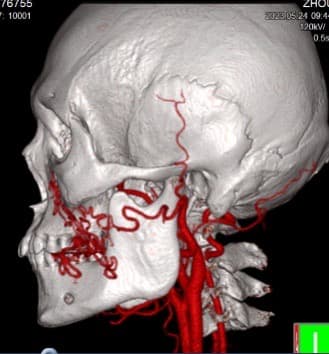
Established a comprehensive care model integrating preoperative shared decision-making (SDM) aids, 3D imaging assessment, and long-term postoperative follow-up, while integrating HIS and quality management dashboards to form a continuous improvement closed-loop system.
The Department of General Surgery performed a total of 8,409 procedures for inguinal hernias and abdominal wall hernias, including recurrent cases.
A total of 7,155 cases of inguinal hernias and 624 cases of recurrent inguinal hernias were treated.
A total of 537 cases of abdominal wall hernias and 93 cases of recurrent abdominal wall hernias were treated.
The primary recurrence rate reported in international literature ranges from 1–5%, whereas the rate at our institution is only 0.4%.
International literature reports re-recurrence rates of 5–15% following surgery for recurrent hernias; in contrast, the rate at our institution is only 3.06%.
The surgical site infection rate at our institution is 0.13%, which is substantially lower than the 2.4% average reported in systematic reviews.
The mean postoperative pain score ranged from 1.3 to 1.47, outperforming international reports indicating an approximately 10% incidence of chronic postoperative pain.
The recurrence rate following inguinal hernia surgery was 0.42%, while the recurrence rate after surgery for recurrent inguinal hernias was 1.25%.
For all hernia surgeries, the recurrence rate after primary hernia repair was 0.4%, whereas the re-recurrence rate following surgery for recurrent hernias was 3.06%.
Patient satisfaction with the medical team exceeded 90% across service items, including attentive listening, clear explanations of medical conditions, and comprehensive treatment plans.
Surgical outcomes comply with HerniaSurge guidelines
Tailored repair aligned with international standards
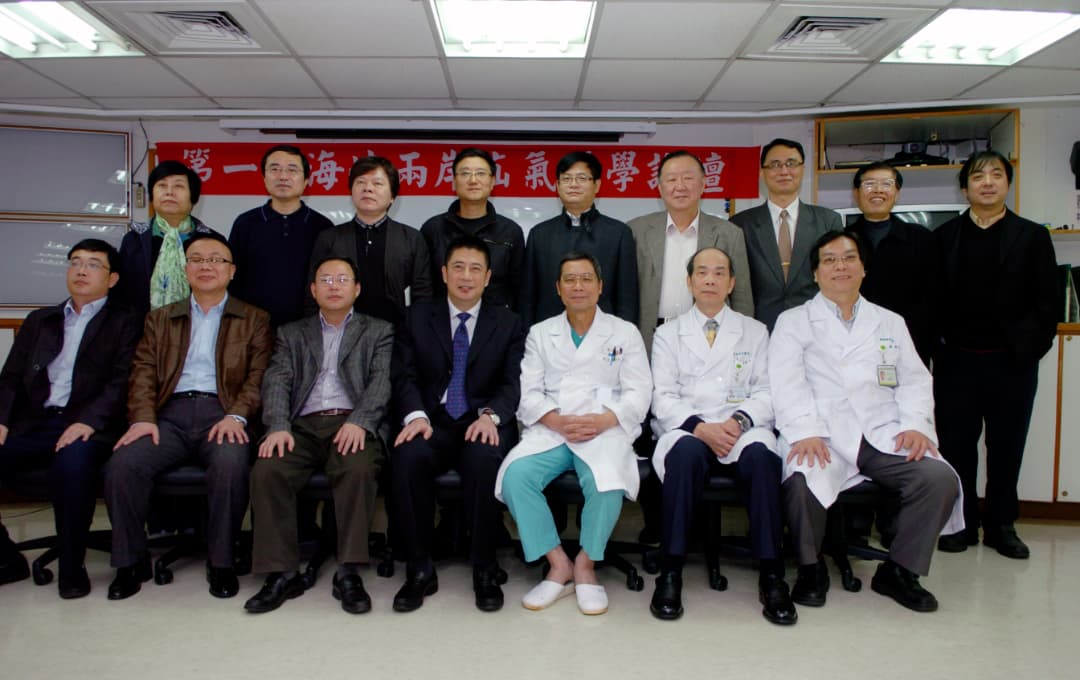
Founded the Taiwan Hernia Society (2007)
Joined the Asia-Pacific Hernia Society (APHS)
Trained over 400 international surgeons
Published multiple articles in SCI-indexed international journals
Clinical data benchmarked against international literature
Initiated multicenter, multinational prospective studies
Integrated with European and American hernia databases
Conducted international demonstration surgeries and educational exchanges
In the outpatient setting, medical decision aids are utilized to explain surgical procedures and associated risks, thereby enhancing patient engagement and adherence. On the day of admission, diagnostic workflows are integrated to minimize unnecessary patient transfers. Inpatient and discharge timelines are presented using flowcharts, and a “admit today, discharge tomorrow” strategy is implemented to improve bed turnover efficiency. Preoperative data are shared through the iMMS multidisciplinary platform, integrating assessments from various specialties to deliver comprehensive care. Surgical management incorporates minimally invasive laparoscopic techniques combined with the da Vinci robotic system to enhance precision and reduce recurrence rates.