Patients with confirmed VHL
Patients with a high clinical suspicion of VHL
Asymptomatic VHL gene carriers
First‑degree relatives of patients with VHL
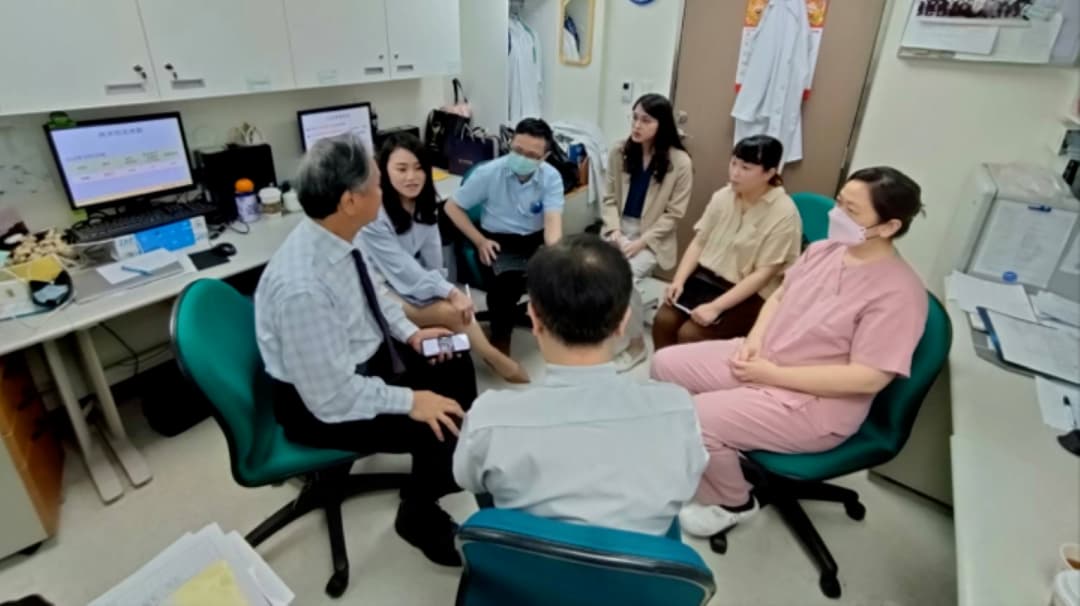
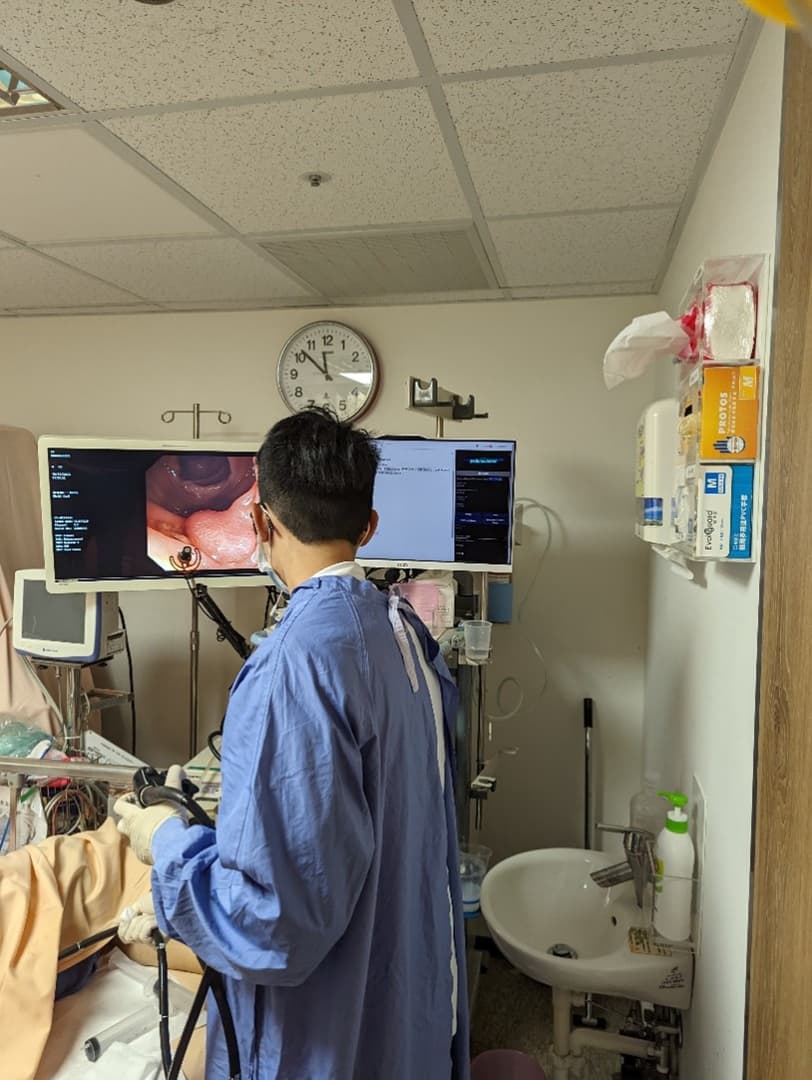
The Cathay General Hospital’s VHL precision‑care model encompasses the full continuum of services, including outpatient screening, genetic counseling, initial diagnosis, imaging and biochemical surveillance, surgical and therapeutic decision‑making, carrier testing for family members, and long‑term health monitoring with psychological support. In the long‑term management of VHL, we focus on reducing disease‑related stress and uncertainty, slowing symptom progression, minimizing the risk of complications, and improving overall quality of life. Through this approach, patients are better equipped to face their condition, receive timely interventions, and return to society and daily life as early as possible, fulfilling the dual goals of precision medicine and preventive healthcare.
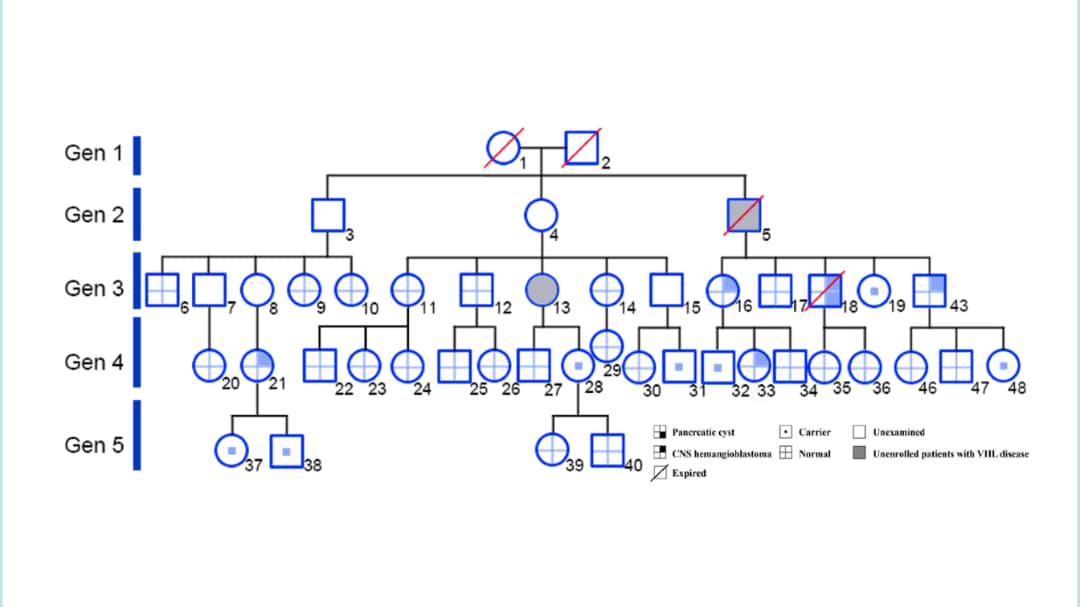
VHL is a hereditary rare disease. Cathay General Hospital pioneered a family‑based screening program for VHL, using a specialized pedigree‑mapping approach to identify individuals at high risk. Through targeted counseling and risk stratification, we provide high‑risk families with early detection, timely intervention, and preventive health‑promotion services.
Reported VHL cases account for 48% of all cases nationwide
Coverage of the full therapy across multiple cancer types
Achieves a 100% screening‑and‑follow‑up rate
100% completion rate of Grade 3 adverse event management
Length of hospital stay reduced by 3 days
Patient adherence rate reached 100%
No Grade 3 adverse events.
No unresolved severe adverse events
Patient satisfaction rate reached 92%
The rate of patient counseling and testing is 35% higher than international benchmarks
The positive detection rate among high‑risk individuals is 59%
Full implementation of the “VHL Care Pathway” guidelines
Through standardized process design, interoperable information systems, cross‑departmental workforce coordination, and the comprehensive development of patient‑education resources, we have achieved an innovative and integrated model characterized by resource sharing, process consistency, and patient‑centered care. This framework can serve as a reference blueprint for developing future care models for other rare diseases or hereditary conditions involving multiple organ systems.