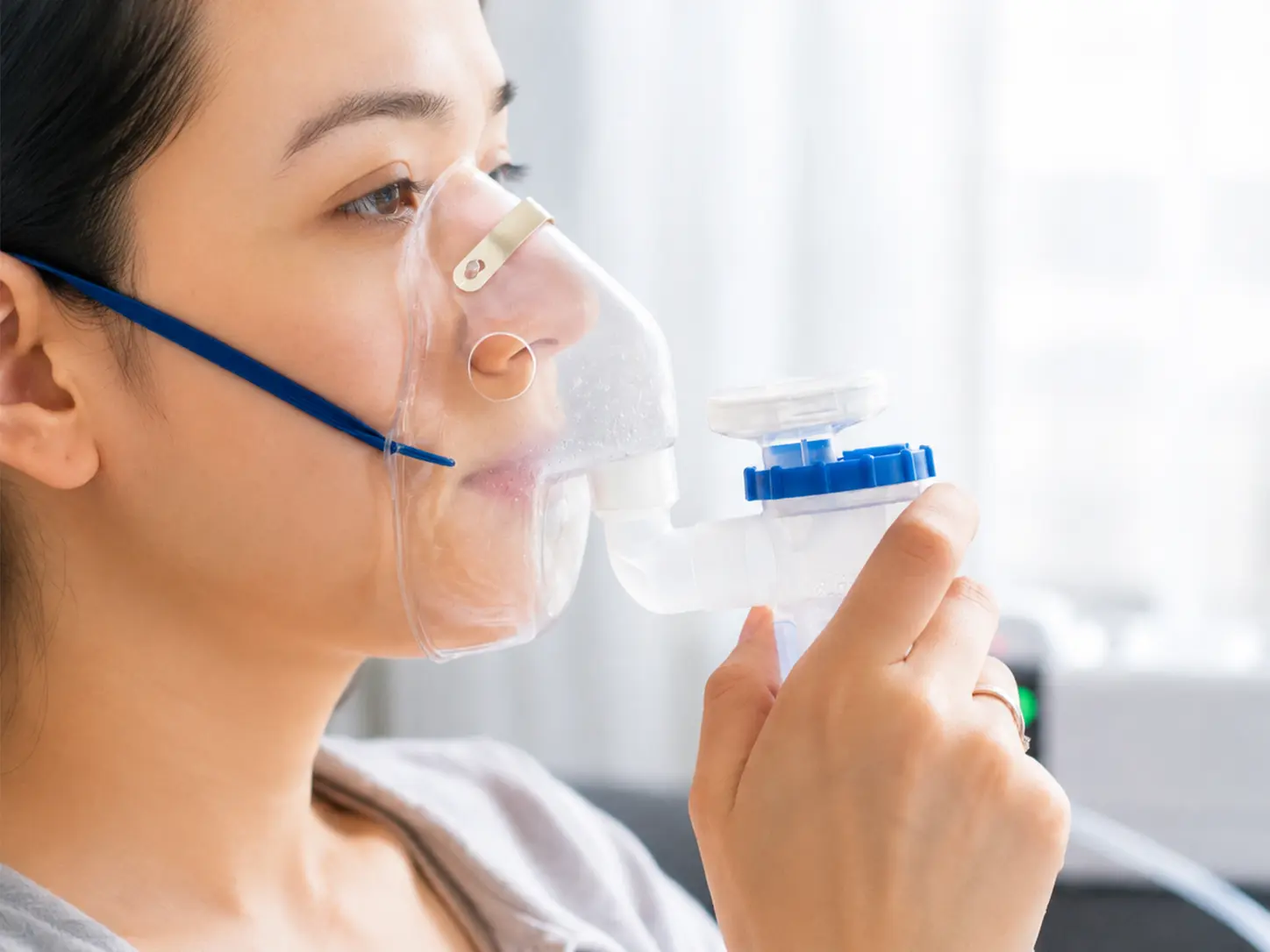
The program serves asthma patients, including adults, older adults, and severe asthma patients, providing outpatient care, post-exacerbation follow-up, case management, and long-term disease control.
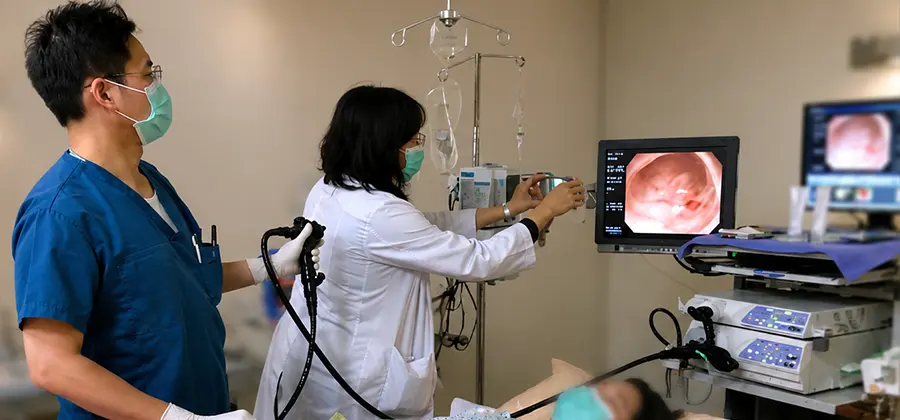
The asthma care team of the Department of Pulmonary Medicine at Far Eastern Memorial Hospital is dedicated to precision medicine, multidisciplinary care, and sustainable healthcare. The team includes pulmonologists, case managers, respiratory therapists, pharmacists, dietitians, rehabilitation specialists, and nurse practitioners, providing care from diagnosis and treatment to education and follow-up.
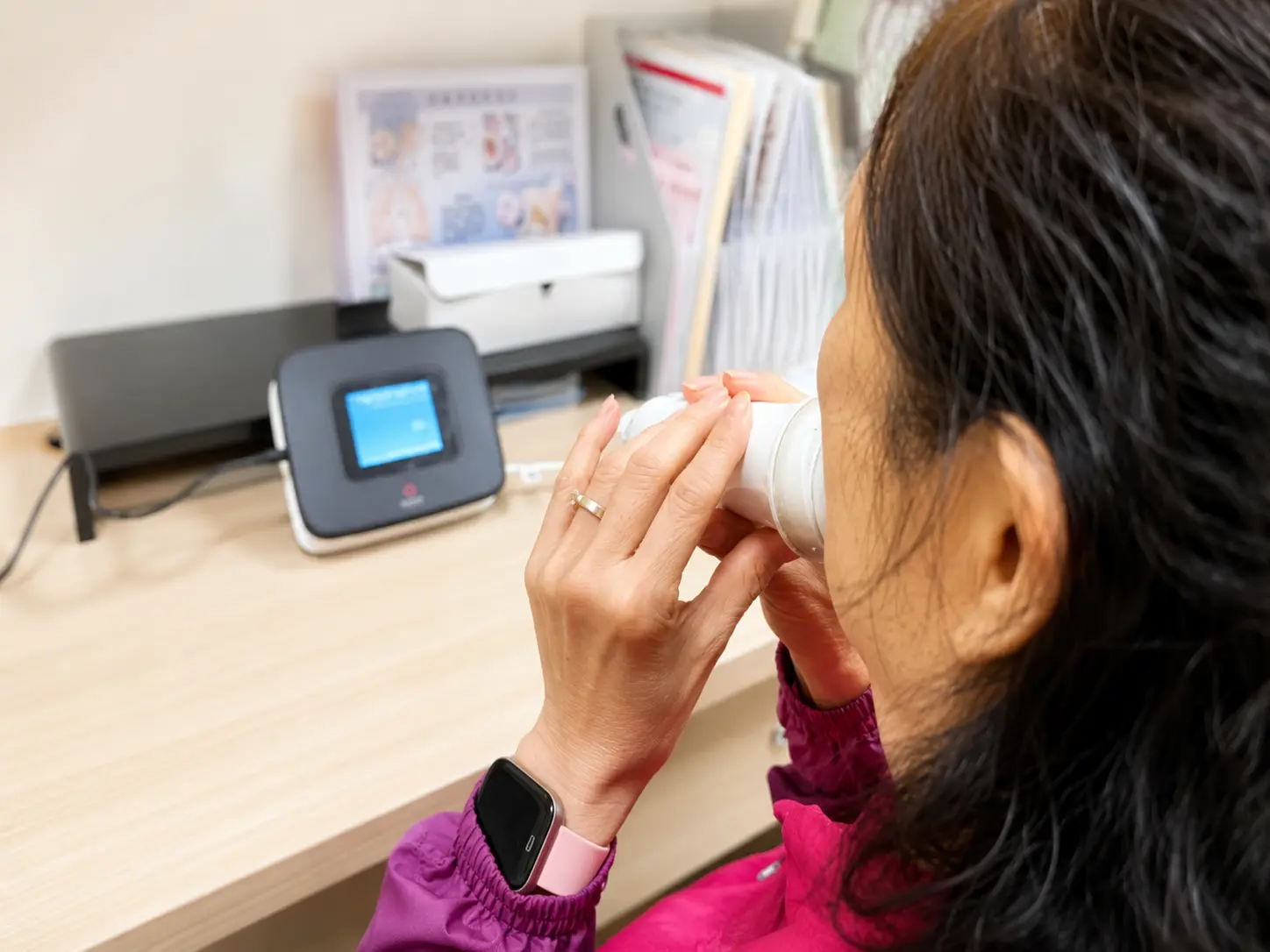
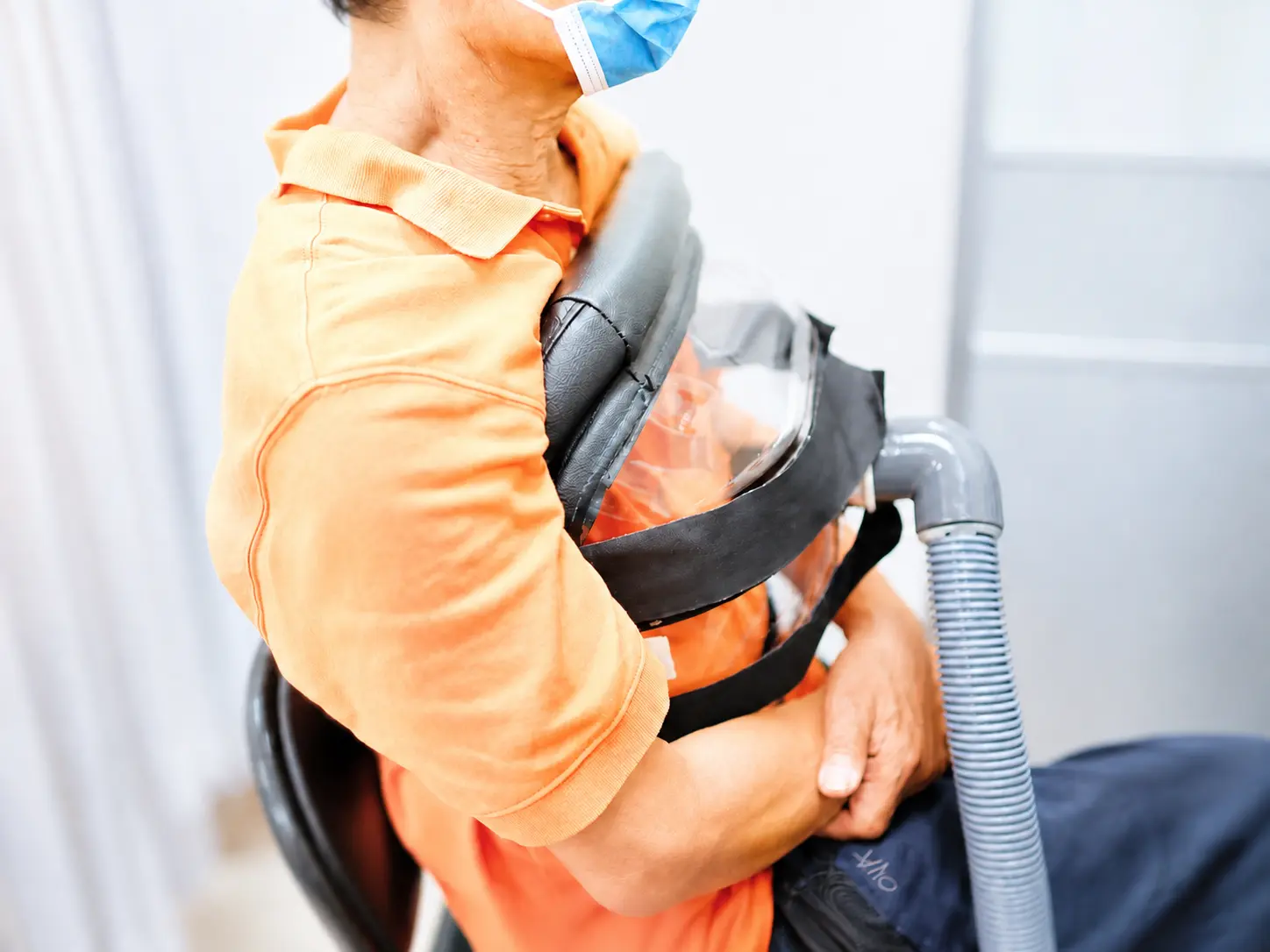
Through FeNO monitoring, pulmonary function assessment, and smart healthcare systems, the program evaluates airway inflammation and disease control to support treatment decisions. Pulmonary rehabilitation, inhaler technique training, and self-management education improve adherence, disease awareness, and patients’ self-care ability. These interventions reduce exacerbations, emergency visits, and hospitalization risks while improving quality of life.
For severe asthma or high-risk patients, the program provides case management and monitoring to support disease control. Smoking cessation, nutritional support, medication safety monitoring, and acute exacerbation action plans strengthen self-care and shared decision-making.
The program integrates smart healthcare and carbon reduction through digital monitoring, case management systems, and optimized care pathways. By improving efficiency, reducing unnecessary medical resource use, and minimizing SABA overreliance, the program aims to enhance care quality, safety, environmental sustainability, and long-term asthma outcomes.
Our program features precision medicine, multidisciplinary integration, and sustainable carbon reduction in asthma care. FeNO monitoring, pulmonary function assessment, and smart healthcare systems are used in routine practice to evaluate airway inflammation and disease control. A monitoring system identifies excessive use of short-acting bronchodilators (SABA), improving medication safety and asthma control.
The team includes pulmonologists, case managers, respiratory therapists, pharmacists, dietitians, rehabilitation specialists, nurse practitioners, and other professionals. Regular meetings develop individualized care plans based on disease severity, clinical status, and patient needs. In addition to medication treatment, the program promotes pulmonary rehabilitation, inhaler technique education, self-management training, smoking cessation, nutritional counseling, exercise guidance, and comorbidity management to improve adherence, self-care ability, and disease control while reducing exacerbations, emergency visits, and hospitalization.
The team integrates smart healthcare through LINE education platforms, digital materials, and booklets to provide education and follow-up. ESG and carbon reduction concepts are incorporated into asthma education and clinical care through optimized pathways and digital systems. These efforts aim to enhance healthcare quality, patient safety, care efficiency, environmental sustainability, quality of life, and long-term asthma outcomes.
1,043 asthma patients enrolled in the care program
Follow-up rate: 64.6%
Cumulative FeNO monitoring volume: 3,300 tests
Average of 3.2 FeNO assessments per patient
Implemented FeNO-based precision asthma monitoring
Established smart healthcare and information management systems
Reduced risks of excessive short-acting bronchodilator use
Improved treatment adherence and asthma control rates
Reduced asthma exacerbations, emergency visits, and hospitalization risks
Achieved national asthma disease care certification
Established a LINE-based digital education and follow-up platform
Incorporated ESG and carbon reduction concepts into asthma care processes
Continuously participated in national asthma quality improvement programs
Developed AI and smart healthcare applications for asthma care
Regular follow-up for asthma patients
High-risk asthma patient management
FeNO airway inflammation monitoring
Pulmonary function assessment
SABA use alert management
Inhaler technique assessment
Medication safety and patient education
Reduced exacerbation and hospitalization risks
Multidisciplinary integrated care
Smart healthcare information management
Asthma exacerbation hospitalization rate remained 0% from 2019 to 2022
Mortality rate of enrolled asthma patients was 0% in 2021
Reduced asthma-related emergency visit rates
Reduced excessive SABA use rates
Improved asthma control through FeNO monitoring
Improved correct inhaler technique rates
Improved treatment adherence
Participation in APSR Asthma Committee
Development of Taiwan Asthma Guidelines
International Sharing of Taiwan Asthma Care Experience
FeNO Research Published in Biomedicines
FeNO Research Published in Advances in Therapy
Development of FeNO-Based Precision Care Model
Smart Asthma Care Research Development
AI-Based Asthma Monitoring Collaboration
Publications in International Respiratory Journals
Promotion of Sustainable Asthma Care Model
Established Taiwan’s first asthma care model integrating precision medicine and sustainable carbon reduction
Improved asthma control through FeNO-based precision monitoring
Developed a multidisciplinary integrated care pathway to enhance care quality and continuity
Reduced risks of asthma exacerbation, emergency visits, and hospitalization
Improved treatment adherence, self-management ability, and quality of life
Established a SABA safety alert system to reduce overuse risks
Promoted smart healthcare and digital care models to improve clinical efficiency
Incorporated ESG and carbon reduction concepts into clinical care and patient education
Developed an app-based portable spirometer screening tool to improve early diagnosis rates
Continuously participated in national and international asthma quality improvement and academic exchange programs