.Patients on anticoagulants
.Chronic kidney disease patients
.Rheumatoid arthritis patients
.People living with HIV
.Heart failure patients
.Older adults with polypharmacy
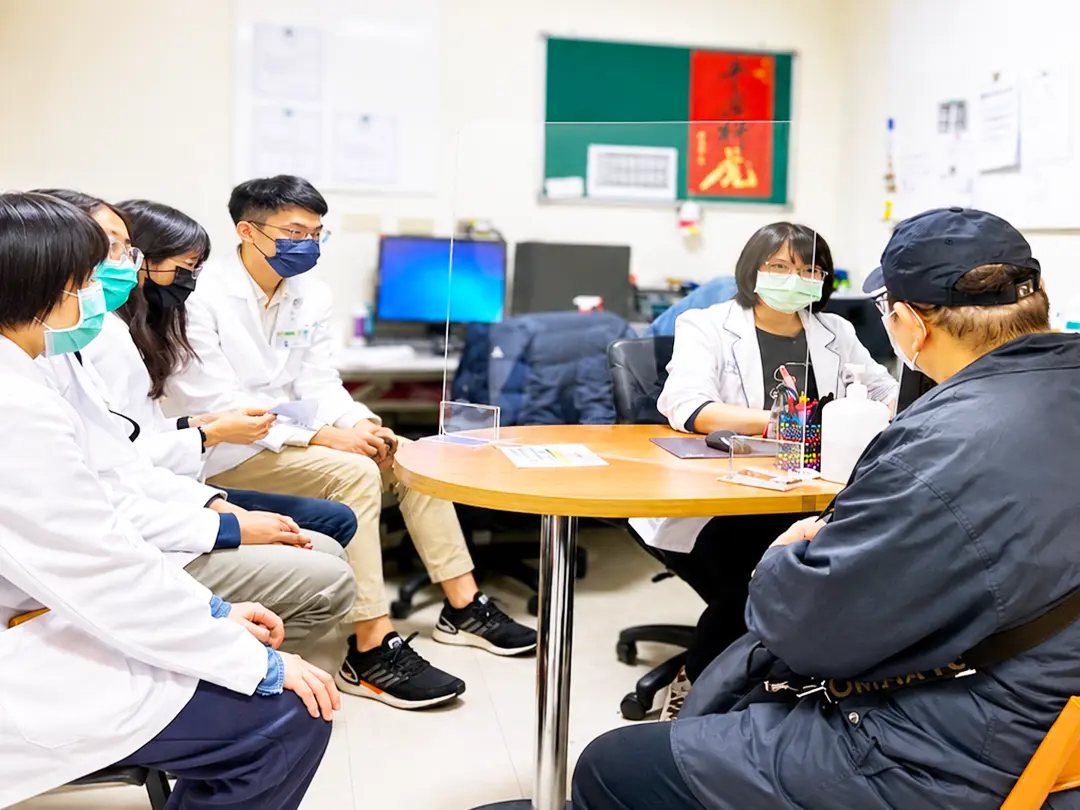
The Pharmacy Clinic at Shuang-Ho Hospital, established in 2012, offers diverse health education and follow-up services across multiple specialties to meet various patient needs.
We provide long-term follow-up and health education for patients using anticoagulants, ensuring they understand the importance and safety of their medications. With the success of the collaboration model, the scope of services is gradually expanding. Recognizing that new DMARDs users often struggle with medication adherence and side effects, we are the first in the nation to offer specialized education and follow-up for these patients, enhancing their adherence to treatment.
Additionally, we are pioneers in offering detailed health education and shared decision-making services for HIV patients on single-tablet regimens, guiding them in selecting the most appropriate medications to improve treatment outcomes.
In collaboration with the nephrology department, we also provide long-term health education for Pre-ESRD patients, helping them understand the significance of their medications.
Furthermore, we offer medication education and follow-up for heart failure patients, and we are committed to providing integrated medication management services for elderly patients. As Taiwan enters an era of super-aged society, we hope to serve as caregivers for the public's safe medication use and assured treatment.
A nationwide innovative service for personalized education and follow-up for patients using DMARDs in the Rheumatology department, aimed at increasing medication adherence and improving quality of life
The nationwide initiative introduces a Shared Decision Making (SDM) tool in the Pharmacy clinic services for newly diagnosed HIV patients, enhancing their medication awareness and satisfaction.
We provide first in Nation long-term follow-up service for new oral anticoagulants (DOACs) users in pharmacy clinic to ensure their safe use of anticoagulants.
Establish an immediate monitoring protocol for warfarin INR critical values.
Establish a protocol for reporting Adverse Drug Reactions (ADR) in high-risk populations: warfarin and DMARDs users belong to high-risk medication categories, with literature indicating a higher incidence of ADRs. The pharmacist clinic provides close follow-up services for these patients to enhance patient safety.
Anticoagulation outcome (TTR) reached 81%, far exceeding international standard of 60%
Successfully prevented 64 potential bleeding events
DMARDs medication adherence >90%
DMARDs disease improvement and quality of life improvement >90%
HIV disease knowledge recognition test accuracy 100% post-education
CKD/AKD medication adherence improvement rate nearly 90%
Medication item reduction rate of 25% in elderly patients
Potential inappropriate medication reduction rate of 64%
Heart failure readmission rate 0%
Cardiac and all-cause mortality rate both 0%
Prevention of hundreds of medication risks annually
Decreasing annual bleeding incidence
DOAC patient bleeding rate 1%
Effective prevention of nephrotoxic drugs reducing kidney function deterioration
HIV SDM service satisfaction rate 97.2%
Positive patient feedback for pharmacy clinic
Patient testimonials on pharmacy clinic message board
2023 Asian Pharmacy Congress (FAPA Congress) poster presentation
2024 European Medical Education Association (AMEE) poster presentation
2019 National Health Insurance Administration Shared Decision-Making Competition Bronze Award
2019 Hospital-wide Quality Improvement Activities SDM Group First Place
2021 High-Risk Patient Lipid Achievement and Promotion Plan Silver Award
2022 Department of Health and Welfare 11th Whole-Person Integrated Care Service Symposium Poster Presentation
Enhanced patient disease knowledge and understanding with 100% improvement in test scores
Improved patient retention and physician-patient trust relationships
Ensured correct medication use according to clinical guidelines
Higher proportion of patients receiving guideline-recommended optimal medication regimen
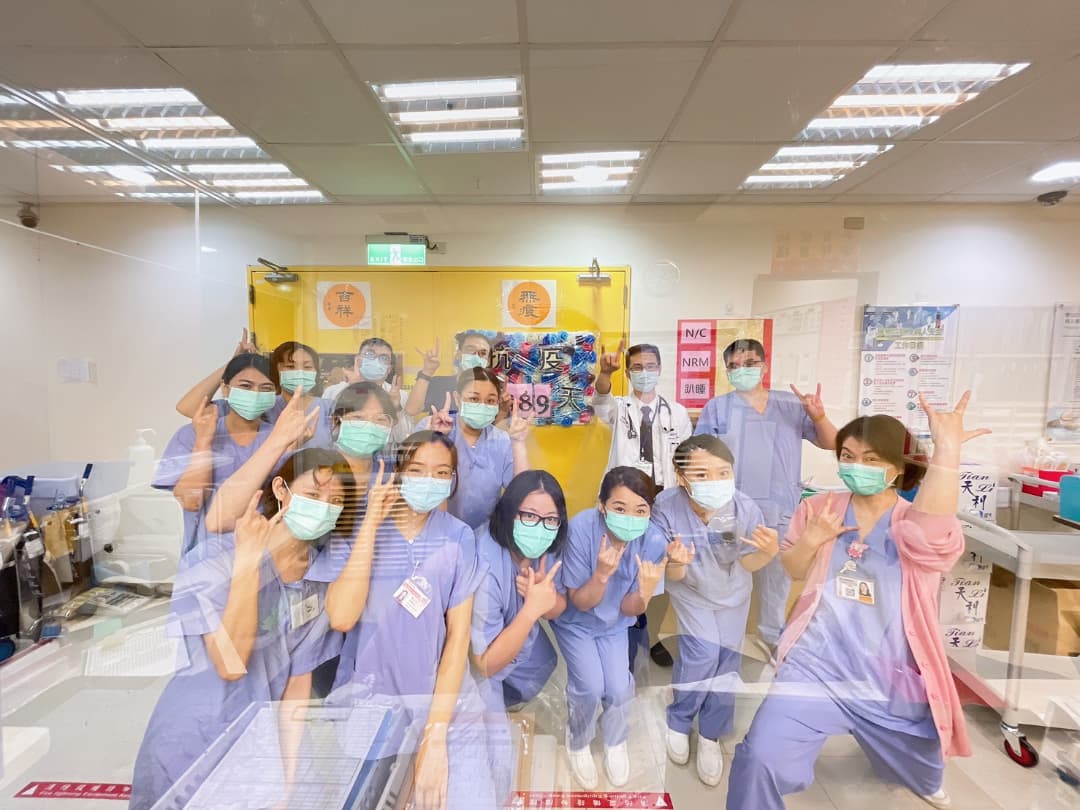
Established multidisciplinary collaborative care model
First to implement EPA assessment for evaluating new pharmacist preparedness