Critically ill or injured patients in remote outlying islands
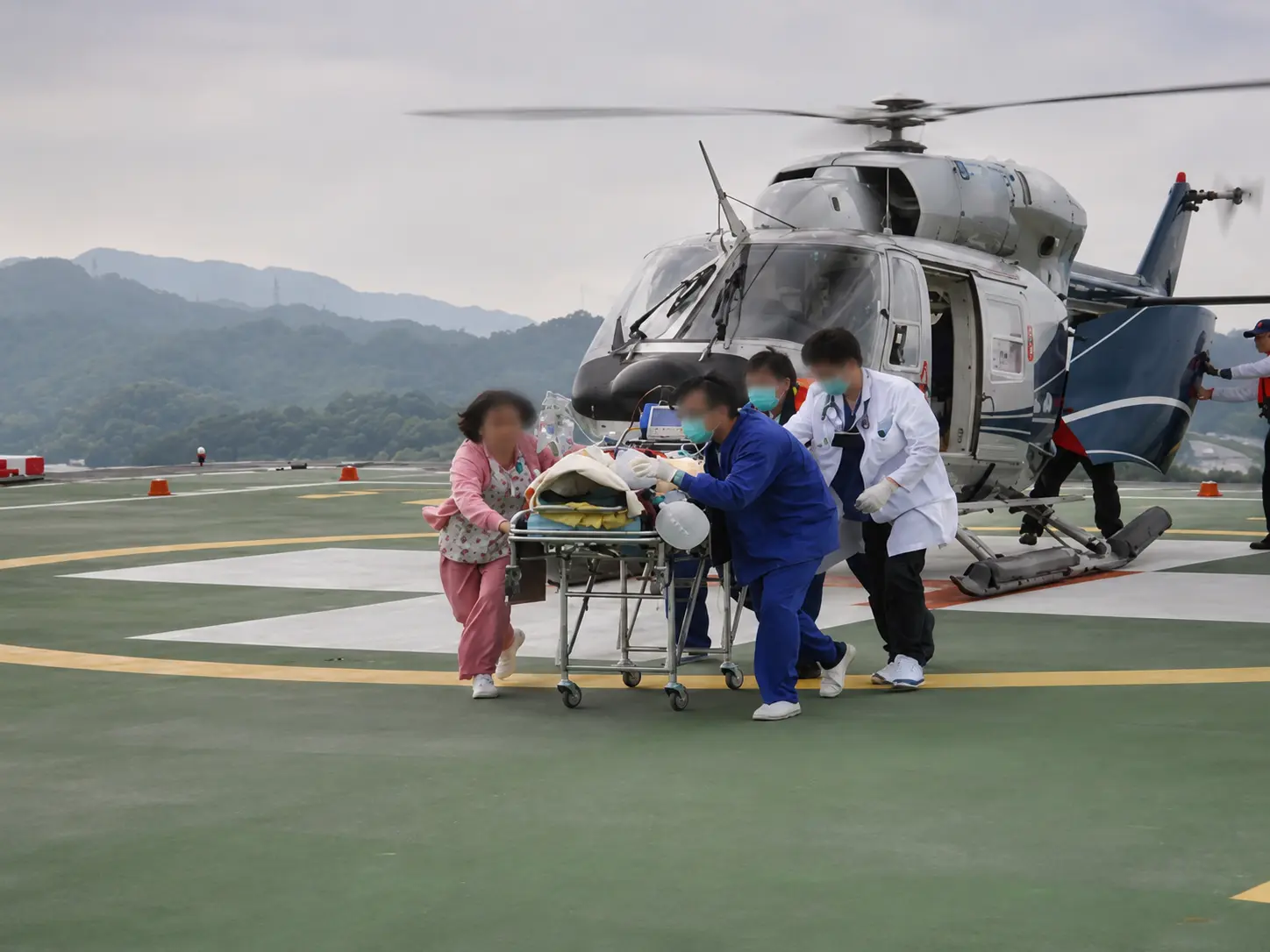
For nearly 15 years, Taipei Medical University has operated the "Air Medical Referral Review Center" under the commission of the Ministry of Health and Welfare. The center has successfully facilitated the air transport of over 3,000 patients during critical moments—maintaining a flawless safety record regarding both patient care and flight operations—thereby resolving emergency medical challenges in remote offshore areas. Additionally, it has significantly reduced unnecessary air transfers and saved substantial government funds; its outstanding performance has earned it prestigious honors, including the National Innovation Award, the National Quality Award, and the National Search and Rescue Merit Award.
Established a national consultation center for aeromedical emergency services to review and approve applications for aeromedical transfers.
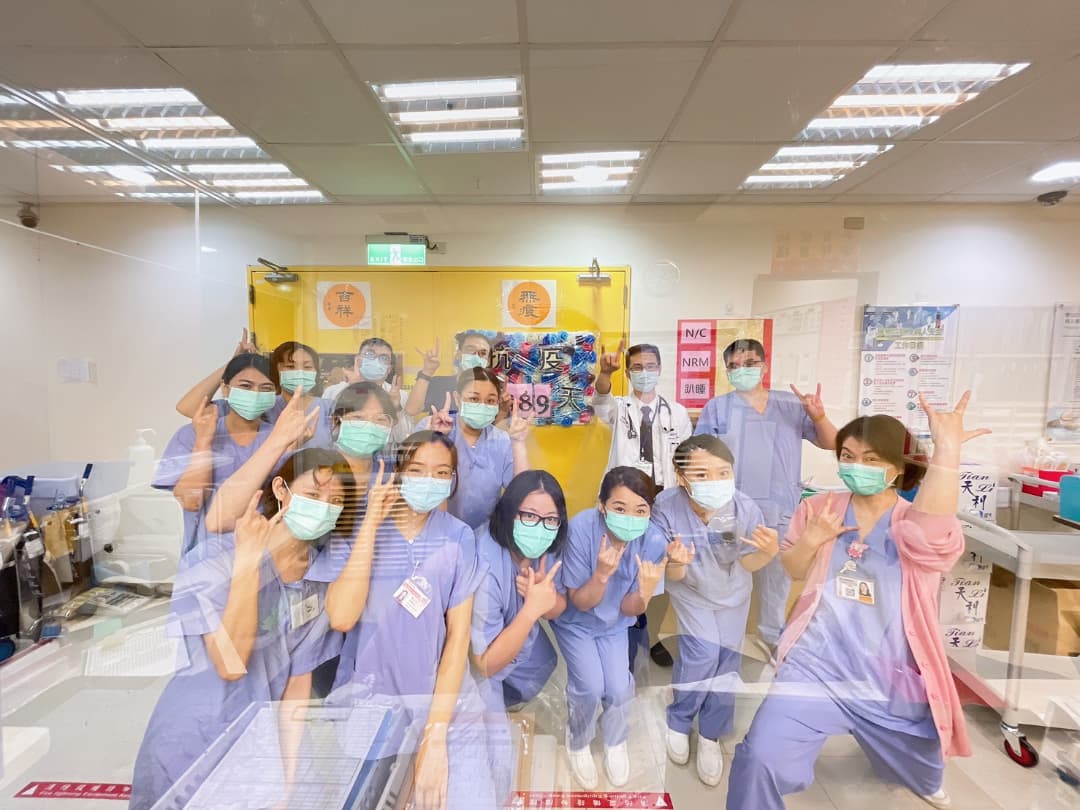
Formed the first integrated critical care team dedicated to aeromedical services in New Taipei City.
Constructed a state-of-the-art, 24-hour operational rooftop helipad at Shuang Ho Hospital (Ministry of Health and Welfare), enabling the acceptance of aeromedical transfer patients around the clock.
Planned and developed personnel for aeromedical transfer review (including education, training, and the setup and operation of video conferencing systems).
Launched courses covering emergency medicine, disaster medicine, and aviation medicine.
Number of applications (Oct 1, 2002 – Aug 31, 2017): 5,174 (0.97 cases/day)
Air rescue (mass casualty incidents and accidents): 711 cases
Air medical transfer (medical transfers and emergency organ transport): 4,463 cases
Approved: 3,864 cases
Not approved or automatically cancelled: 562 cases
Emergency organ transport: 37 cases
Approval rate: 87.41%
Air medical transfers to Shuang Ho Hospital: 16 cases
The number of flights decreased by 52.52% compared to the period prior to the program's implementation.
Over the past 15 years, government budget savings have exceeded NT$1.37 billion; these funds have been fully reinvested into healthcare infrastructure for the outlying islands under the Ministry of Health and Welfare.
No flight safety, patient safety, or medical-legal incidents occurred in any of the 5,174 cases.
Very high islander satisfaction.
Patient families sent thanks.
Dedicated aircraft improved reassurance.
Recognized by local governments.
Teleconsultation supported island care.
July 7, 2016: Visit by Penn State College of Medicine (USA)
March 15, 2016: Visit by Universiti Malaysia Sabah (Malaysia)
Published works related to air medical transport
Recipient of the 2009 National Quality Mark
Twice awarded the Medal for Meritorious Service in Search and Rescue by the National Search and Rescue Command Center (in 2005 and 2012)
Winner of the "2008 National Innovation Award (Academic Research Category)"; the project was commended for "utilizing existing communication methods to enhance medical rescue systems, thereby generating substantial savings in the national emergency medical budget, adding value to domestic emergency care, and making significant contributions to social safety and security"
Recipient of prestigious honors including the National Innovation Award, the National Quality Award, and the National Search and Rescue Meritorious Service Award