Users of CMU medical system 25-hospital data
Researchers using 5.37M medical records
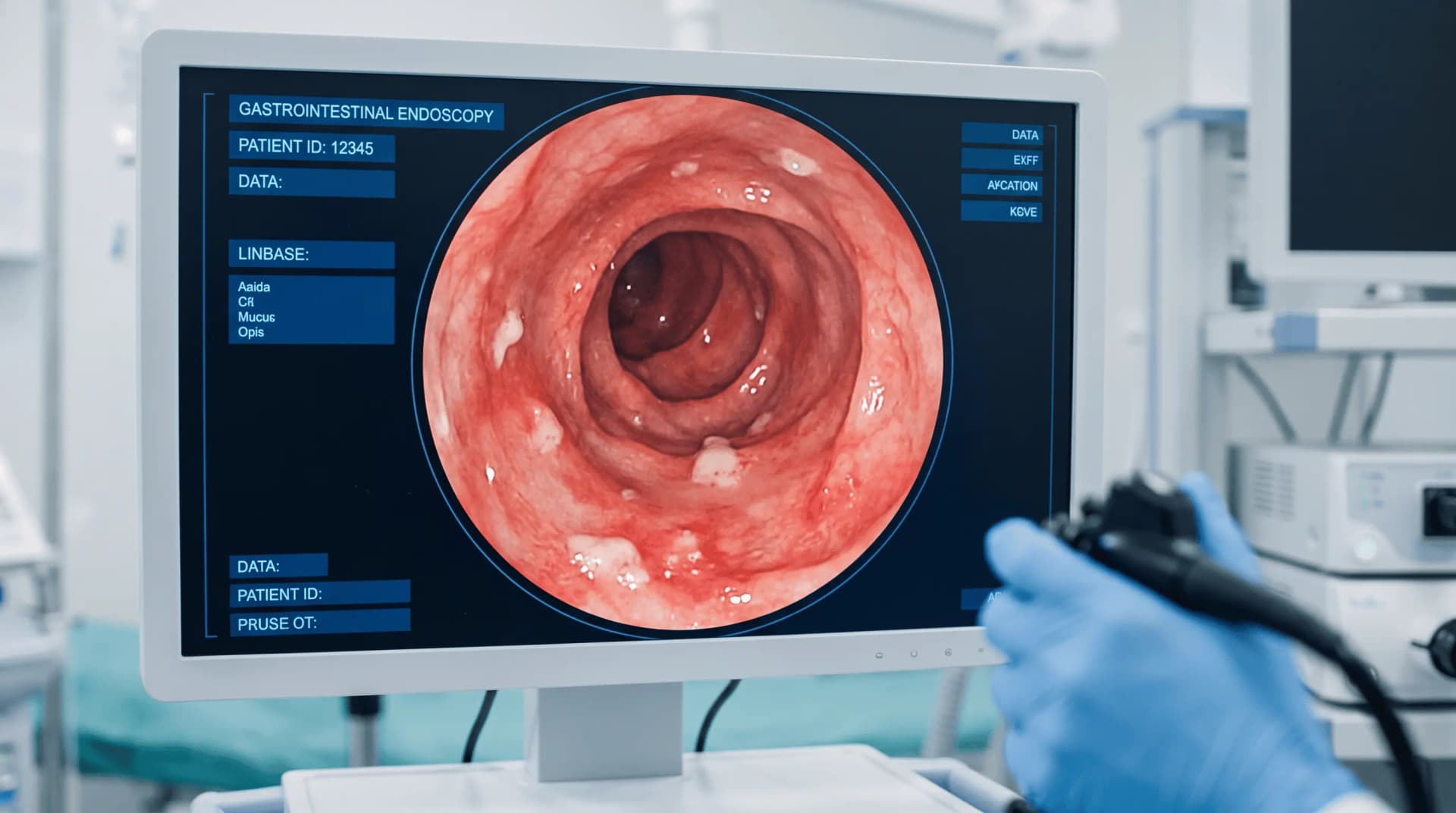
Researchers using medical imaging (X-ray/CT/MRI)
Biomedical signal/gene/physiology data analysts
AI/smart medicine researchers
Patients benefiting from privacy protection
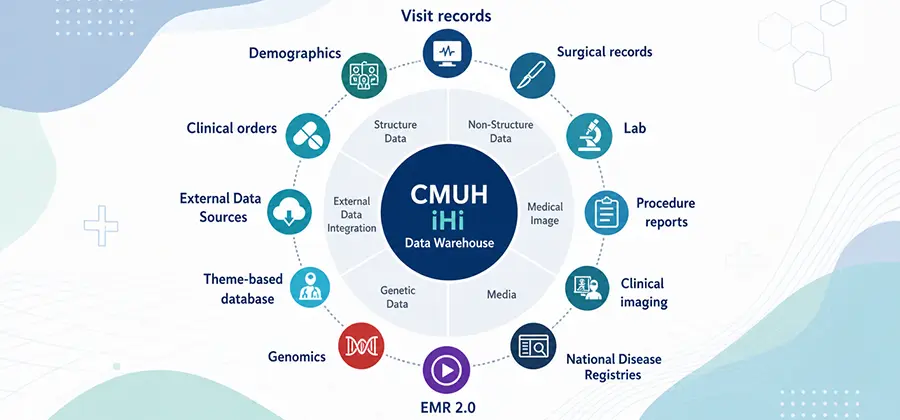
China Medical University Hospital, led by Vice Superintendent Chun-Liang Chen and Manager Han-Mi Chen, integrates the IT Office (data source), Big Data Center (clinical data de-identification), and AI Medical Diagnosis Center (medical imaging de-identification) into the "Hidden but Not Obscured" smart medical data management mechanism. The CMU medical system encompasses 25 hospitals with 5.37 million accumulated records covering text records, medical imaging (X-ray/CT/MRI), biomedical signals (ECG/EEG), bioinformatics (genes), and personal physiological/environmental data, spanning medical centers, regional, district hospitals, and clinics. Clinical data de-identification uses pseudonymization (ID hash as primary key), merger transformation (ordered encryption of visit/form numbers), fuzzification (dates to ages, addresses to towns), text report processing, and consistency transformation (offset by same value to preserve research value). Medical imaging de-identification handles DICOM tags by classification and masks/restores personal info in image margins. Implemented in 2020 conforming to ISO/IEC 29100, ISO/IEC 29191, CNS 29100-2—Taiwan-first and only medical institution to pass CNS 29100-2 accreditation. Established a one-way hashing mechanism for de-identified yet linkable data; published 40+ papers, obtained 12 patents (4 pending review), 1 US FDA approval (K212624), 4 FDA/TFDA medical software licenses.
Hidden yet not obscured: de-id and linkable
Only TW medical institution with CNS 29100-2 certification
25 hospitals, 5.37M records
One-way hashing preserves linking
Covers clinical data + medical imaging
Fuzzification/consistency/merger transformations
25 hospitals in medical system
5.37M medical records
40+ journal papers
12 patents obtained, 4 under review
1 US FDA, 4 FDA/TFDA software licenses
HIS/PACS/genetics/pathology/cancer database integration
ISO/IEC 29100/29191/CNS 29100-2 certifications
Taiwan-first & only CNS 29100-2 medical institution
US FDA software certification K212624
SOPs SOP-A80-B0501/SOP-JZ0-A0001
Medical data application review procedure
Patient-signed consent for special-purpose use
Hash function protection measures
Text content with PII processed by case
DICOM tag classification
Image margin PII masking
Strict strong/weak/no-PII classification
Adheres to ISO/IEC international PII standards
User-friendly medical data
Online application/dashboard convenience
Patient PII protection recognized
Trust enhanced by ISO certification
25 hospitals collaborate
Transparent personal consent forms
40+ journal papers
12 patents (4 under review)
1 US FDA approval (K212624)
4 FDA/TFDA software licenses
ISO/IEC 29100, 29191 intl certifications
Taiwan-first & only medical institution with CNS 29100-2
Balances personal privacy and medical research
Leads future smart medicine development
Builds linkable medical Digital Twin
Integrates 25-hospital data
Benchmark for domestic institutions
Enhances medical data reuse value