Patients with inflammatory bowel disease
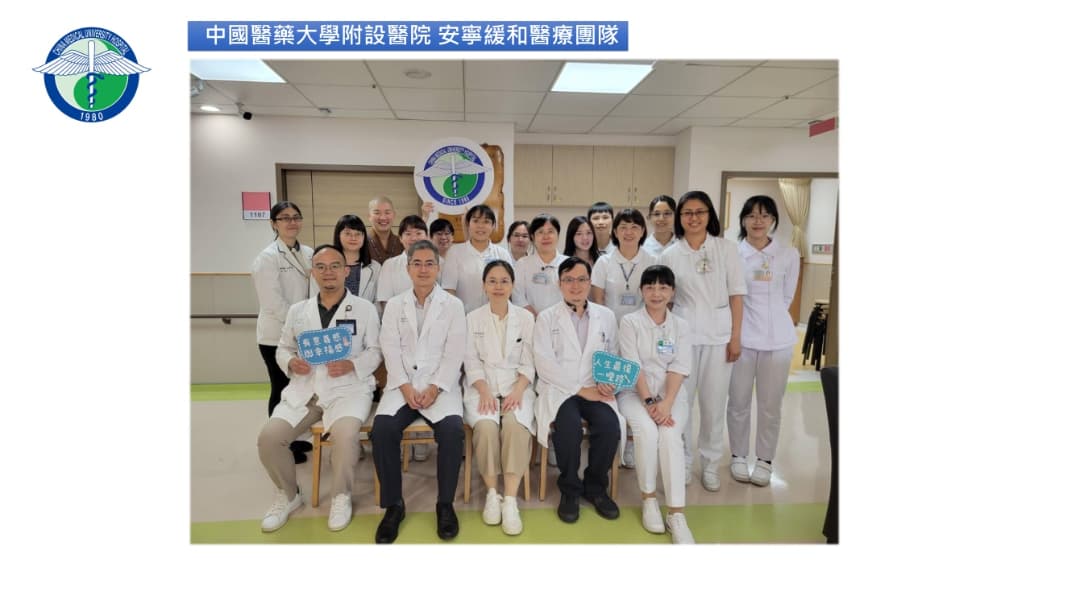
Inflammatory bowel disease (IBD) is a progressive illness that can lead to numerous complications, significantly impacting patients’ physical and mental well-being and quality of life. Because the number of IBD patients in Taiwan is relatively small, most medical institutions lack sufficient experience in its management, and many patients experience misdiagnosis or delayed diagnosis. Our gastroenterology team has extensive experience in treating this disease and is capable of integrating interdisciplinary care to provide patients with comprehensive and multifaceted medical services.
Our team has extensive expertise in deep enteroscopy and capsule endoscopy. In addition to these invasive procedures, we utilize the latest non-invasive intestinal ultrasound techniques to monitor disease activity and assess patients’ responses to medication, enabling timely diagnosis and treatment. Our physicians are not only engaged in clinical practice but also continuously publish relevant research that has been cited in international treatment guidelines. Furthermore, they have participated in the development of domestic guidelines for IBD treatment.
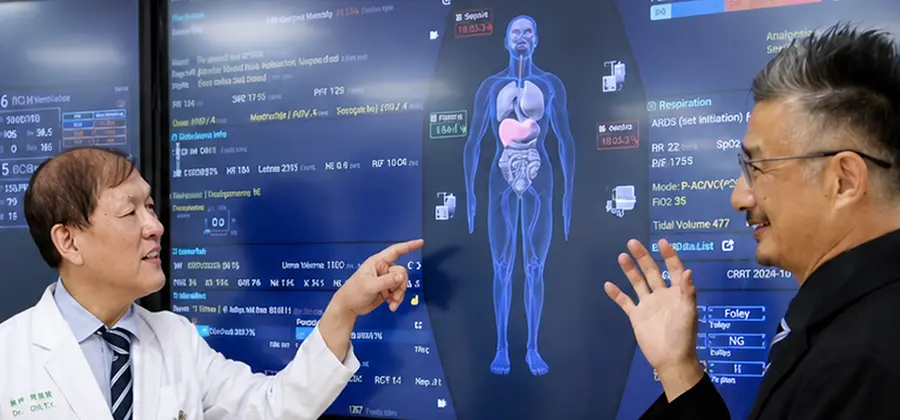
In addition to invasive endoscopic procedures, our team includes two of the only physicians in Taiwan who hold certification from International Bowel Ultrasound Group (IBUS). This allows for non-invasive, real-time monitoring of the degree of intestinal inflammation and assessment of patients’ responses to medical therapy.
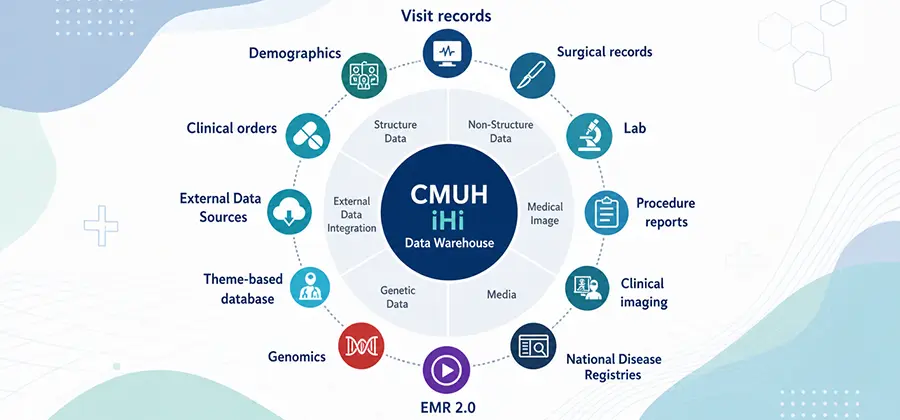
We collaborate with the Department of Traditional Chinese Medicine at our institution to analyze patients’ tongue and pulse examinations, thereby establishing an integrated clinical database that combines Traditional Chinese and Western medicine.
A total of 430 patients with IBD, including 215 patients with UC and 115 patients with CD.
From 2006 to 2024, a total of 2,023 deep small-bowel endoscopy procedures were performed.
From 2020 to 2024, a total of 261 capsule endoscopy procedures were performed over the past five years.
From 2023 to 2025, a total of 208 intestinal ultrasound examinations were performed.
Actively collaborating with international pharmaceutical companies, with participation in a total of 44 clinical trials of new investigational drugs.
Surgical rates among patients with inflammatory bowel disease are lower than international journals report data.
International journals report that the lifetime need for surgery in patients with Crohn’s disease is as high as 70–80%.
At our institution, the proportion of patients undergoing surgery is only 48.7% for Crohn’s disease and 6% for ulcerative colitis.
The incidence of colorectal cancer associated with inflammatory bowel disease is 2% in ulcerative colitis and 0.9% in Crohn’s disease.
These rates are lower than international incidence figures (ulcerative colitis 3.2%, Crohn’s disease 1.2%).
Actively involved in endoscope reprocessing and disinfection, with a strong focus on patient safety and infection control.
Second Prize for Outstanding Paper, Infection Control Society of Taiwan(ICST), 2017.
Silver Award, Endoscopy Group, Poster Presentation, Taiwan Centers for Disease Control, Ministry of Health and Welfare, 2019.
Invited speaker at the academic session of the Infection Control Society of Taiwan (ICST) Annual General Meeting, 2023.
Every patient undergoing endoscopic examination completes a satisfaction questionnaire and provides feedback.
Multiple academic activities and patient support meetings have been jointly organized with national professional societies and patient associations.
Team published journal(Mol Med Rep. 2014 Jul;10(1):522–526) have been cited in the ACG Clinical Guidelines .
A total of 80 SCI-indexed papers have been published, including 29 related to inflammatory bowel disease.
Received multiple awards from AOCC and ECCO.
2019 AOCC Excellent Poster Award.
2023 AOCC Travel Grant Award.
2023 AOCC Young Investigator Award.
By integrating deep enteroscopy, capsule endoscopy, and intestinal ultrasound, we provide the most rapid and effective treatment for patients with inflammatory bowel disease and other small-bowel disorders.
Regular multidisciplinary team meetings are held to review current treatment plans, address the limitations of single-specialty management, and jointly perform differential diagnosis for suspected cases to enhance diagnostic accuracy.
Disease case managers were incorporated into the treatment team after 2015 to assist physicians with clinical follow-up; as a result, the patient loss-to-follow-up rate significantly decreased from 13.9% to 5.8%.