Traumatic Brain Injury patients
Since its establishment on April 17, 2009, the Traumatic Brain Injury (TBI) Center at Chi Mei Medical Center has upheld the core principles of service, education, and research, promoting continuity of care from emergency response to hospital discharge. By integrating multidisciplinary teams, the center has developed a collaborative, cross-disciplinary care model.
Over the past fifteen years, the center has achieved remarkable milestones in brain injury care: successfully completing two rounds of TBI quality accreditation, assisting colleagues in earning two SNQ National Quality Marks, publishing 102 research papers, receiving 20 awards, and contributing to the development of national therapeutic guidelines for brain hypothermia treatment—demonstrating both strong clinical practice and academic depth.
In addition, the center has actively engaged in domestic and international invention competitions, achieving 105 invention awards (including 7 National Innovation Awards), securing 48 patents (20 inventions, 27 utility models, and 1 design patent), and completing 7 technology transfers, showcasing outstanding innovation and R&D capabilities.
Moving forward, the center remains committed to continuous improvement, reinforcing cross-disciplinary collaboration and patient-centered continuous care, with the ultimate goal of building the most trusted TBI care system.
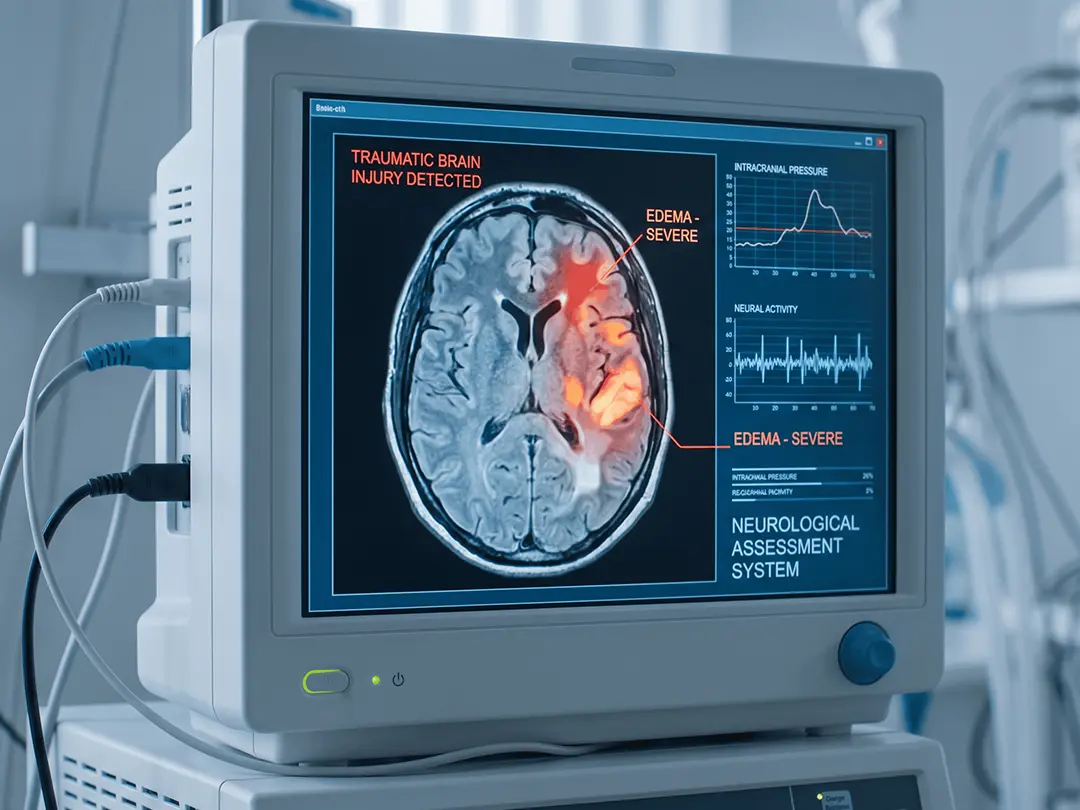
AI predicts patients’ mortality risk, serving as a powerful tool for clinical communication and prognosis assessment.
The Smart Medical SDM process integrates 3D models and videos to help families understand options such as extubation or tracheostomy, reducing decision conflicts and regret.
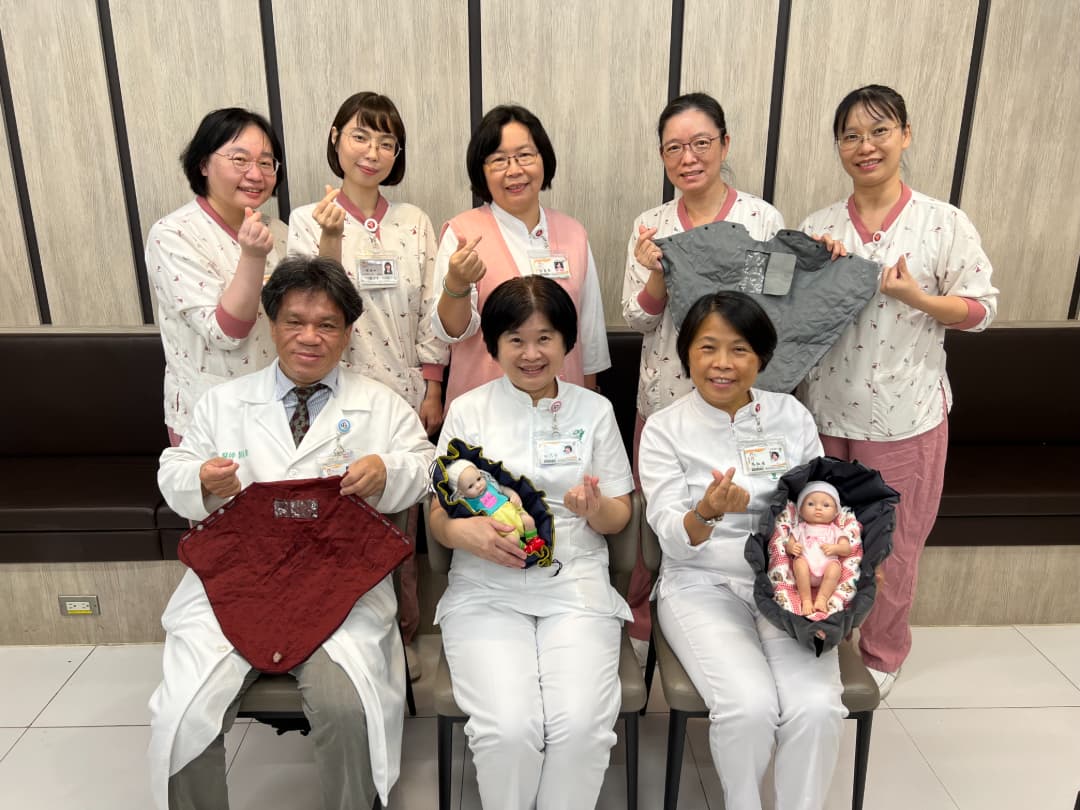
3D-printed organ models are applied to fill cranial cavities in organ donors with traumatic brain injury, enhancing dignity and quality of post-donation care. Additionally, several innovative products have been developed and implemented in clinical practice, including protective airbag restraint devices, intelligent chessboard rehabilitation training, and digital pressure swallowing balls—demonstrating strong capability in translating research into practical applications.
Serve over 500 traumatic brain injury patients annually
Host at least one patient support meeting each year
Completed 38 cases of 3D-printed cranial cavity restoration for organ donors
Conduct 1–2 rural outreach clinics annually, including screening and health education
ICP monitoring device rate increased from 70.97% to 97.06%
Patient education rate improved from 80.14% to 83.43%
MRS functional recovery score improved from 3.3 to 2.5
SDM regret scale improvement rate reached 100%
Overall patient satisfaction averaged 95.5%
Nursing care satisfaction reached 98.3%
ICP monitoring device rate increased to 97.06%
Rehabilitation intervention rate reached 100% by day 3 of hospitalization
Patient education rate improved to 83.43%
MRS functional recovery score improved to 2.5
SDM regret scale improvement rate reached 100%
Overall patient satisfaction averaged 95.5%
Nursing care satisfaction reached 98.3%
Overall patient satisfaction averaged 95.5%
Nursing care satisfaction reached 98.3%
SDM regret scale improvement rate reached 100%
Patient education rate improved to 83.43%
Patient feedback praised medical staff’s professionalism and empathy
Participated in drafting the Taiwan Severe Traumatic Brain Injury Clinical Guidelines
Published 102 SCI and TSCI journal articles
Accumulated 2,887 citation counts
Received the International Outstanding Inventor Award
Achieved 105 international invention awards (including Innovation Awards)
Completed 7 technology transfers with global application potential
Invited to deliver keynote speeches at international conferences
Collaborated with national universities and international
nstitutions on research
3D printing and AI technologies recognized internationally
Established a cross-disciplinary integrated care model to enhance national standards for brain injury treatment
Developed the Taiwan Severe Traumatic Brain Injury Clinical Guidelines to promote clinical consistency
Implemented AI prediction and SDM processes to improve decision-making quality and safety
Applied 3D printing and simulation tools to enhance surgical safety and teaching quality
Achieved 95.5% overall patient satisfaction and 98.3% nursing care satisfaction
Advanced technology translation and commercialization to promote healthcare sustainability and cost-effectiveness