Patients with colorectal cancer from Yunlin, Chiayi, Tainan to northern Kaohsiung.
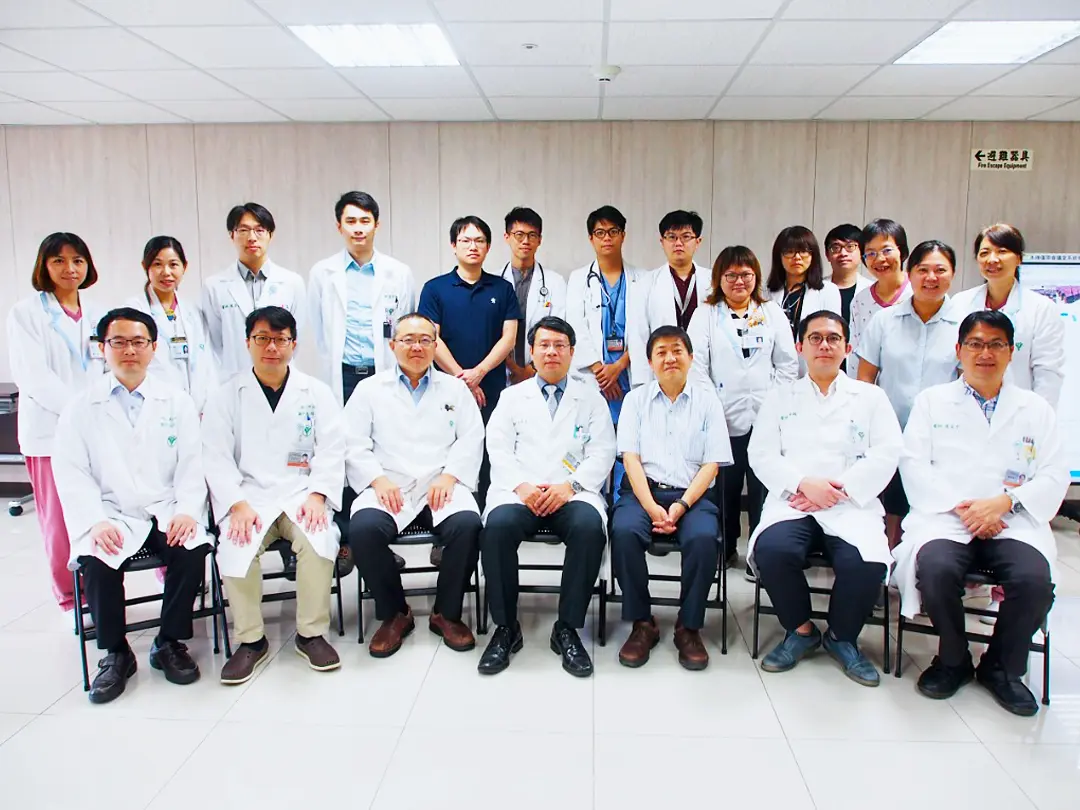
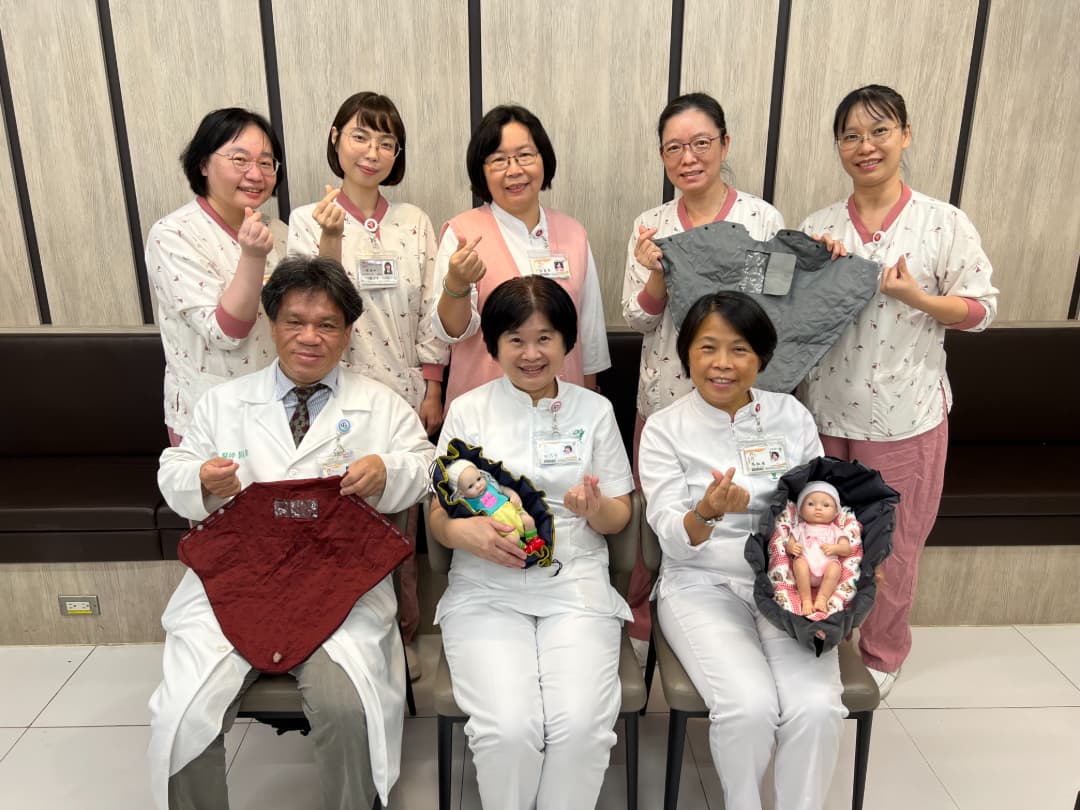
The multidisciplinary colorectal cancer medical team encompasses medical care, nursing, nutrition, social services, and medical research departments, offering patients a comprehensive holistic care model. The team develops colorectal cancer treatment guidelines tailored to the hospital, drawing from the U.S. National Comprehensive Cancer Network (NCCN) guidelines as well as advanced and effective international and domestic clinical practices, ensuring the best possible medical care for patients.
Team members hold regular meetings to provide expertise and determine the optimal treatment plan for each patient. Annually, they review treatment guidelines, quality indicators, and survival rates, revising them based on the latest domestic and international research findings.
The team also includes case managers who address patients' service needs and consultations during treatment, as well as monitor treatment outcomes. Additionally, the Cancer Resource Center under the Cancer Center offers services that complement medical care, providing physical, mental, and spiritual support to achieve the goal of holistic care.
The colorectal cancer treatments offered by our hospital include surgical procedures (such as laparoscopic minimally invasive surgery and Da Vinci robotic-assisted surgery), radiation therapy, chemotherapy, targeted therapy, immunotherapy, and dendritic cell therapy. For metastatic lesions, we also provide advanced treatments such as radiofrequency ablation, alcohol injection therapy, embolization therapy, Yttrium-90 microsphere brachytherapy, and transplantation surgery. Our hospital delivers comprehensive and advanced treatment techniques, ensuring a holistic care model. Coordination across multiple specialties within our colorectal cancer team establishes a unified treatment consensus.
In the past five years, team physicians have published nearly 30 academic papers on colorectal cancer. These efforts not only enable personalized treatment options for our patients but also enhance the quality of care and contribute to international academic exchanges, increasing the visibility of our team on a global scale. As a result, based on the five-year survival rate analysis for colorectal cancer provided annually by the Health Promotion Administration, our hospital consistently surpasses national standards, underscoring the quality and excellence of our care.
The colorectal cancer team at our hospital handles a significant workload. According to the Cancer Registry Annual Report published by the Health Promotion Administration, Ministry of Health and Welfare (Table 2), the team managed an annual average of 624 cases over the past three years (2019-2021). Based on the latest 2021 Cancer Registry Annual Report (released on December 29, 2023), the hospital cared for 18 patients with small intestine cancer (C17), 376 patients with colon cancer (C18), and 178 patients with sigmoid colon, rectal, or anal cancer (C19-21), totaling 572 patients. This makes our hospital the largest facility in the Yunlin, Chiayi, and Tainan regions for colorectal cancer care.
To expand care accessibility and reduce healthcare disparities in remote areas, Chimei Hospital has participated in the "Medical Center Physician Support for Medically Underserved Areas Program" since September 2019. As part of this initiative, we have supported Hengchun Christian Hospital in Pingtung and the Ministry of Health and Welfare Penghu Hospital by providing surgical outpatient services. Our surgical specialists continue to visit Penghu Hospital regularly to provide consultations and care.
The Chi Mei Colorectal Cancer Multidisciplinary Team provides integrated, patient-centered care through close collaboration among surgeons, medical oncologists, radiation oncologists, nurses, dietitians, social workers, and case managers. By establishing a comprehensive database for cancer staging, diagnosis, treatment, and follow-up, the team continuously monitors clinical outcomes and enhances the quality of colorectal cancer care. Through coordinated resource integration, patients receive streamlined services from screening and diagnosis to treatment and survivorship care. Dedicated case managers facilitate communication, coordinate appointments, and provide ongoing support, improving treatment adherence, patient satisfaction, and continuity of care while reducing unnecessary healthcare utilization. In addition to clinical excellence, the team is actively engaged in academic research and quality improvement initiatives. Leveraging institutional databases and real-world evidence, team members have published numerous peer-reviewed articles and presented their findings at national and international conferences. These efforts contribute to advancing colorectal cancer management, improving treatment outcomes, and reinforcing Chi Mei Medical Center’s leadership in multidisciplinary cancer care and translational research.
Quality Improvement Established an institutional database integrated with the Taiwan Cancer Registry (TCR) to monitor treatment quality and outcomes. Published international studies using real-world data to improve colorectal cancer care. Research findings contributed to quality indicators, including Textbook Outcome, lymph node yield benchmarks, adjuvant chemotherapy recommendations, and treatment guidance for elderly rectal cancer patients. Patient Safety and Risk Management Implemented a high-risk alert system for patients with advanced age, multiple comorbidities, poor performance status, low BMI, or advanced-stage disease. From August 2022 to December 2023, 77 high-risk patients were identified. Multidisciplinary review or treatment modification was performed in 54.5% of cases (42/77), exceeding the institutional target of 50%. Treatment-related mortality among high-risk patients was 1.3% (1/77), well below the institutional benchmark of 10%. Continuous Monitoring Regular review of quality indicators, survival outcomes, and patient safety events through multidisciplinary meetings. Ongoing refinement of clinical practice using institutional and national cancer registry data.
Dedicated case manager coordination
Enhanced physician–patient trust
Timely consultation and support
Reduced patient travel burden
Improved treatment compliance
Reduced post-discharge ED visits
Reduced hospital readmissions
Improved follow-up adherence
Enhanced patient satisfaction
Improved holistic care quality
The Chi Mei Colorectal Cancer Multidisciplinary Team provides integrated, patient-centered care through close collaboration among specialists, nurses, dietitians, social workers, rehabilitation professionals, and case managers. A comprehensive database for cancer staging, treatment, and follow-up has been established to monitor clinical outcomes and continuously improve care quality. Through coordinated multidisciplinary management, patients receive seamless services from screening and diagnosis to treatment and long-term follow-up. Dedicated case managers streamline care pathways, enhance communication, improve treatment adherence, and reduce unnecessary hospital visits and readmissions. The integration of nutrition, pharmacy, rehabilitation, and supportive care services further strengthens comprehensive cancer care. Beyond clinical practice, the team is actively involved in academic research and quality improvement. From 2018 to 2024, team members published 27 peer-reviewed articles and presented numerous studies at national and international conferences. By leveraging clinical databases and real-world evidence, the team continues to advance colorectal cancer care, improve patient outcomes, and maintain leadership in multidisciplinary cancer management.
Utilized institutional and national cancer registry databases to improve colorectal cancer care quality and publish international research. Research findings established benchmarks for Textbook Outcome, lymph node yield, adjuvant chemotherapy, and treatment strategies for elderly rectal cancer patients. Implemented a high-risk alert system for patients with advanced age, multiple comorbidities, poor performance status, low BMI, or advanced-stage disease. From 2022–2023, 77 high-risk patients were identified; 54.5% received multidisciplinary review or treatment modification. Treatment-related mortality among high-risk patients was 1.3%, well below the institutional target of <10%.