Individuals with chewing/swallowing disorders from neurodegenerative diseases, stroke, brain injury, head/neck cancer, aging, rare conditions(e.g. EB), psychogenic dysphagia, or long-term NGT/trach.
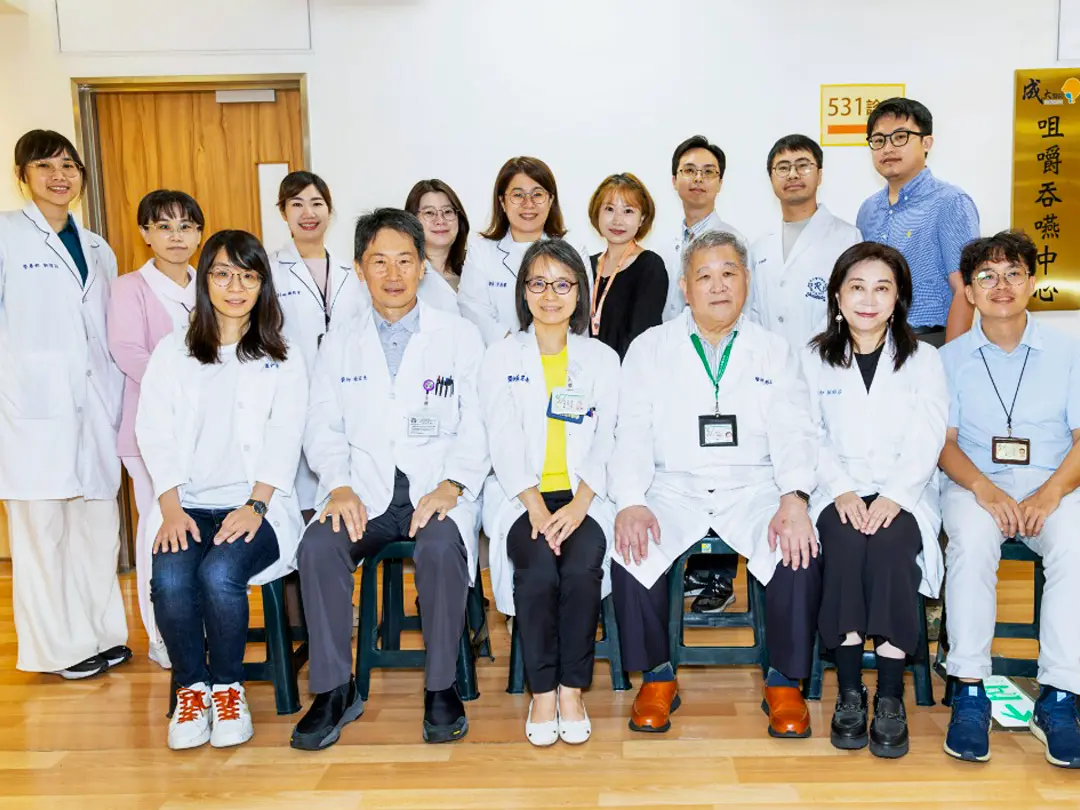
Guided by the seven core values of SWALLOW, the Chewing and Swallowing Center integrates expertise from neurology, otolaryngology, physical medicine and rehabilitation, dentistry, nursing, nutrition, speech-language pathology, and pharmacy to provide holistic, interdisciplinary care.
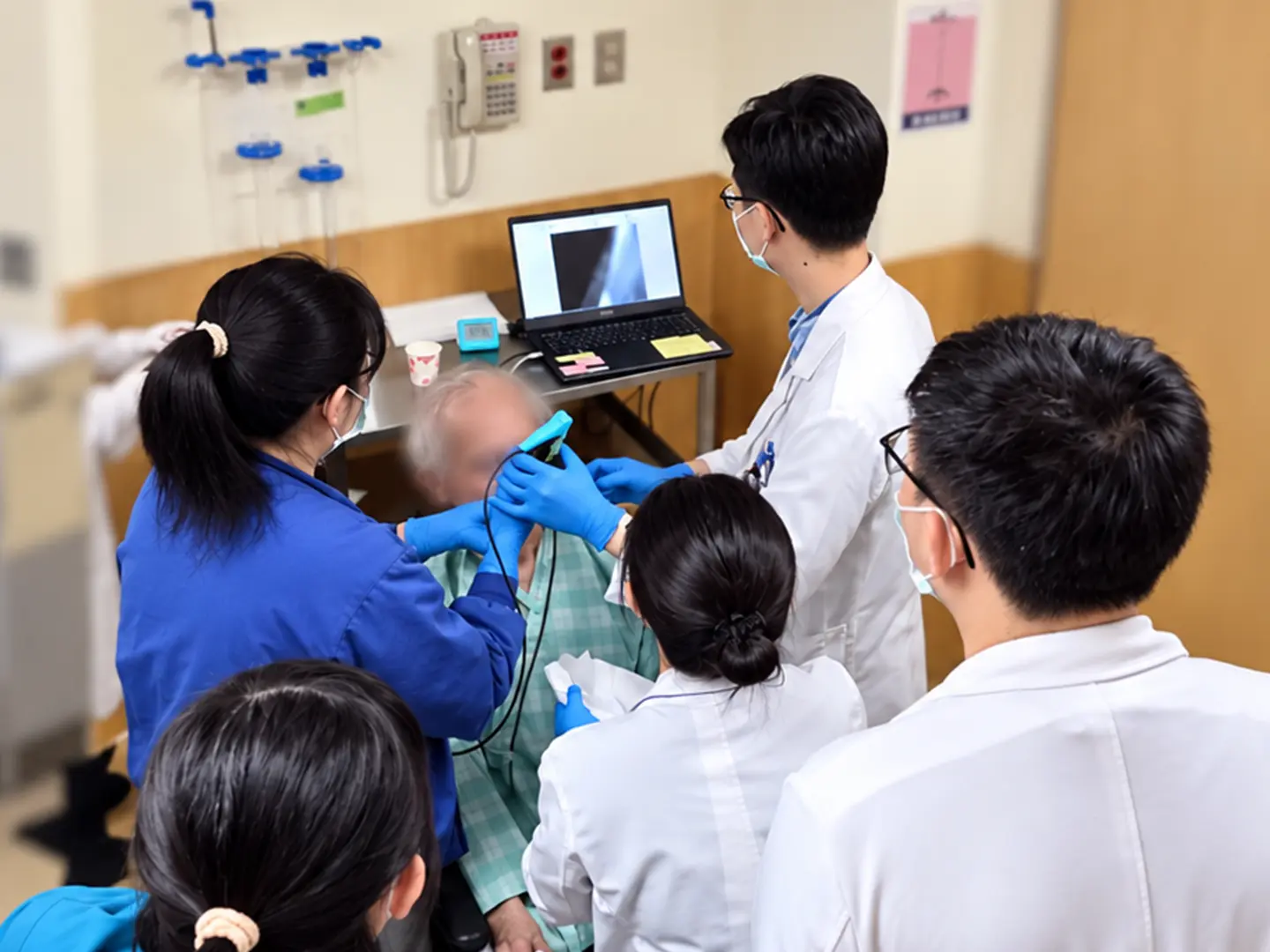
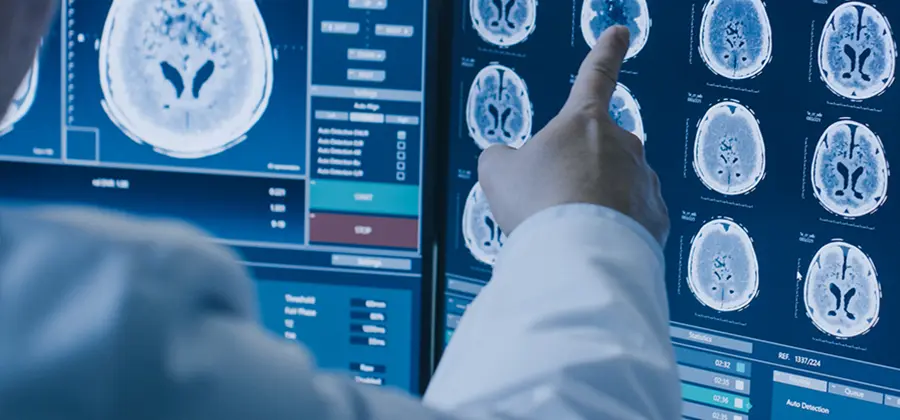
The Center’s services include swallowing function assessment, individualized treatment plans, and dietary and medication guidance. By integrating videofluoroscopic swallowing studies, fiberoptic endoscopic evaluation of swallowing (FEES), and AI-assisted analysis, diagnostic accuracy and clinical decision-making are enhanced.
The Center is also committed to professional mentorship, team-based collaboration, and community outreach, safeguarding patients’ swallowing safety and quality of life while promoting an age-friendly healthcare environment.
Interdisciplinary integrated care with a one-stop service model.
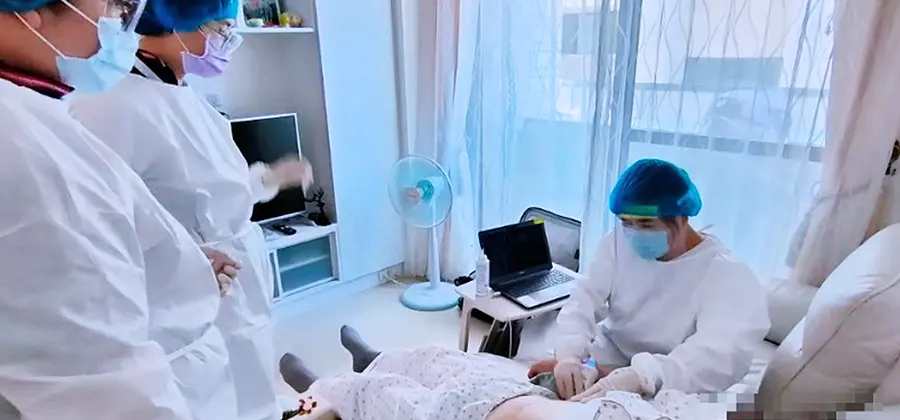
Implementation of home-based care: extension of chewing and swallowing function assessment and treatment services into the home setting.
The first medical center in Taiwan to provide swallowing assessment meals compliant with IDDSI standards.
More than 300 patient visits were provided.
A total of 260 patients with complex dysphagia were enrolled.
Patients aged 80 years and older accounted for 47%; neurodegenerative diseases such as dementia and Parkinson’s disease accounted for 45% of the total. When combined with the stroke population, these groups constituted 60% overall.
In the underweight group (BMI < 18.5), BMI showed a statistically significant difference before and after intervention (p < 0.05).
After nutritional intervention, patients’ EAT-10 scores decreased from 15.4 ± 9.5 to 10.0 ± 8.3.
The number of IDDSI texture levels tolerated for oral intake increased from 5.8 ± 2.0 to 6.4 ± 1.8.
The incidence of choking or aspiration pneumonia following fiberoptic endoscopic evaluation of swallowing (FEES) was very low (2/154 = 0.013), which is lower than the 2% reported in existing reference data.
Overall satisfaction with the integrated chewing and swallowing clinic reached an average of 99%.
Both the clinical swallowing examination and screening assessment achieved an overall satisfaction rate of 97%.
Swallowing assessment meal services achieved 100% improvement in examination convenience, 100% compliance of meal textures with examination requirements, and 100% overall service satisfaction.
Second Prize (Poster Presentation), Swallowing Section, at the 2nd International Conference on Chewing and Swallowing Disorders (May 6, 2024).
The 2nd International Laryngology Academic Symposium (September 25, 2024).
Development of assessment meals with textures compliant with the International Dysphagia Diet Standardisation Initiative (IDDSI).
Organization of the 2nd International Conference on Interdisciplinary Care for Chewing and Swallowing Disorders and a FEES (swallowing endoscopy) workshop.
Cross-departmental professional integration: establishment of a comprehensive diagnostic and treatment framework.
Rotational clinics and competency sharing among physicians from multiple specialties: strengthening cross-specialty professional versatility.
Team-based collaborative mechanism (Transdisciplinary Care): shared decision-making and cross-professional care.
A dysphagia resource section on the Department of Nutrition website, including IDDSI-compliant meal preparation methods.
The Department of Pharmacy provides solutions for medication administration difficulties.
Expansion of internal and external collaboration platforms, as well as education and training programs.