People who come to Shuanghe Hospital for examination by the Department of Imaging Medicine
In medical resource management, immersive simulation is used for teamwork training to train medical staff to perform correct clinical operations in complex environments. It also improves understanding of TRM tools and correct bed moving techniques, promotes cooperation and communication between teams, and then Effectively reduce the incidence of pipeline slippage.
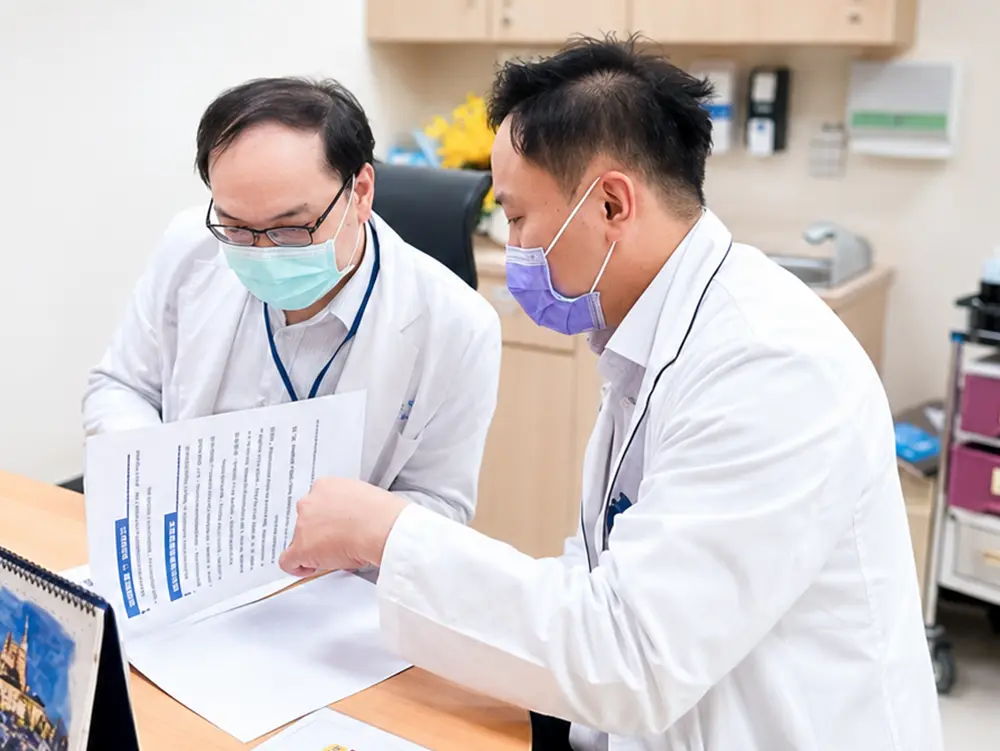
Provide the latest empirical medical evidence, use graphical and visual methods to explain the condition and treatment options, promote the implementation of shared decision-making between doctors and patients, make it easier for patients and their families to understand the condition, treatment options and personal considerations, and improve communication efficiency. Increase patients' trust and peace of mind.
The patient experience role play method is used to allow new staff and PGY students to personally experience the inconvenience and anxiety faced by patients when receiving examination services, and is integrated into a "whole-person medical care education" course. It helps participants understand patients' feelings, reflect on deficiencies in service attitude, rethink and improve coping methods, and improve the quality of care.
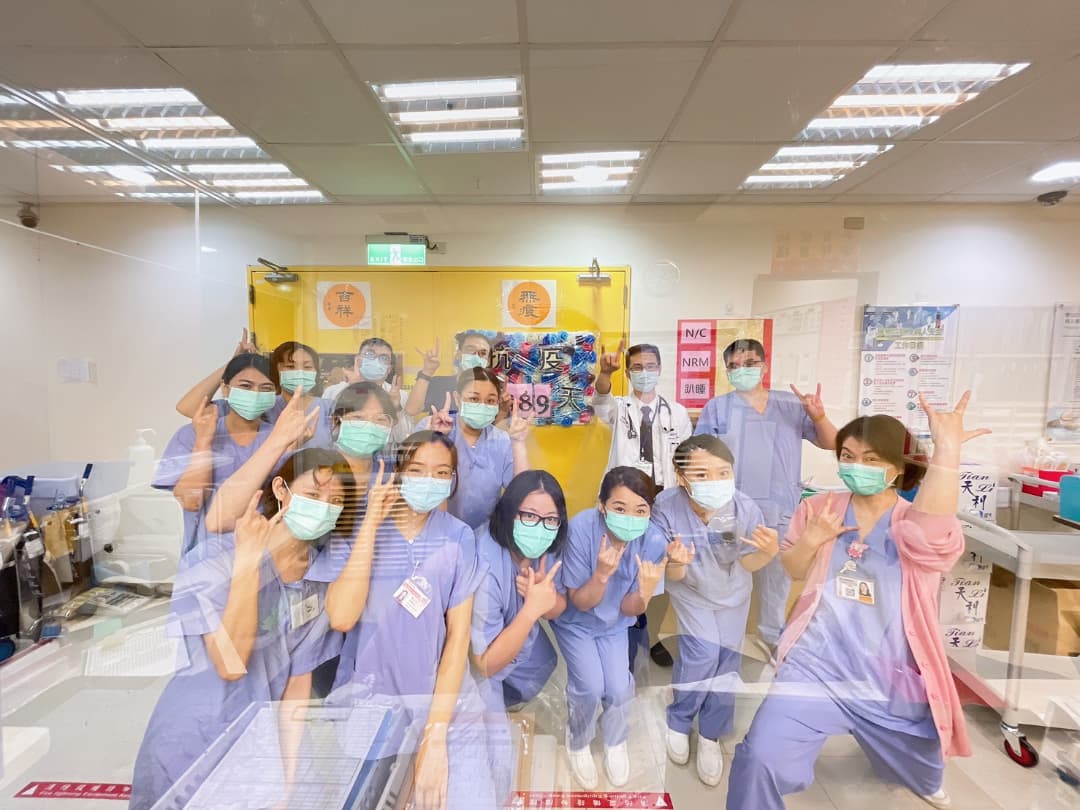
Team resource management: Use teamwork to reduce clinical errors, improve process results, and increase satisfaction. Effectively utilize all available resources such as personnel, equipment, and resources, and achieve common goals through cooperation with each other to form a system of common values to achieve the highest safety and efficiency.
Shared decision-making between doctors and patients: A patient-centered medical process that combines the three elements of knowledge, communication and respect, allowing medical staff and patients to share existing evidence-based medical results and combine the patient's own preferences before making medical decisions With value, we provide patients with all options that can be considered, reach a consensus on medical decision-making, and support patients in making medical decisions that meet their preferences.
Whole-person medical care: Whole-person care not only emphasizes providing patient-centered medical care after illness, including physical, psychological, social and spiritual aspects, and establishing a good interactive doctor-patient relationship.
Quality control circle team: The staff of this department form a quality control circle team to conduct regular review meetings on quality incidents, and use quality control techniques or models to improve various incidents, thereby improving image quality, improving abnormal incidents, optimizing processes, etc.
Department meetings: All doctors, radiologists, nurses and administrative staff in the department hold department meetings every month to discuss or revise standards regarding the quality of various examinations or abnormal parts of the process.
Cross-team meetings: Promote promotion through joint discussion meetings with other departments, such as the introduction of decision-making aids, timing and use, actual operation processes, effectiveness, etc. to discuss or modify in order to promote good medical-patient communication.
Teaching meetings: Teaching seminars are held every 3 months to review and improve various teaching projects or training processes, with a view to allowing all radiologists to have certain standards and consensus when implementing teaching projects. New radiologists or interns Students can receive complete educational training.
.Performed 48 cases of endovascular thrombectomy.
.Established a bi-plane angiography suite.
.Implemented an acute stroke thrombectomy protocol.
.Provided embolization treatment for cerebral aneurysms.
.Provided interventional treatment for cerebral vascular malformations.
.Daily, monthly, and quarterly quality assurance.
.Quarterly maintenance and calibration of equipment.
.Angiography suite passed radiation safety inspection.
.Verification of medical orders and patient identity prior to the procedure.
.Dedicated emergency call button installed in the examination room.
.Bi-plane angiography utilized for enhanced positioning accuracy.
.Implementation of a thrombectomy protocol for acute stroke.
.Recommendation to include post-procedural complication rates in the reporting.
.Provide pre-examination briefings and health education.
.Ensure a private and comfortable examination environment.
.Equip examination rooms with independent emergency call buttons.
.Deliver safe and comfortable examination services.
.Provide collaborative care through an interdisciplinary team.
Strengthening the medical education of emergency Computer tomography inspection by using team resource management (TRM) and simulated simulation teaching" was published at the Fall Meeting of Taiwan Society of Radiological Technologists (TWSRT) academic seminar in 2018.
Published in J Vascular and Interventional Radiology 2023 May;34(5):832-839. Effects of Shared Decision-Making with a Patient Decision Aid for Postangiography Hemostasis Method Selection: A Randomized Controlled Trial.
Foreign studies have pointed out that the most common complications after catheterization are hematoma and bleeding, which are related to the patient's constitution, puncture technique and pressure hemostasis effect. In large foreign studies, the complications caused by traditional manual hemostasis are about 6.8%. The vascular stapler has improved the occurrence of complications, from 6.8% to 4.8% for manual hemostasis; after various improvements made by our department, it has been significantly reduced to less than 1.9%, reducing patient discomfort.
.Improve accessibility to thrombectomy for acute ischemic stroke.
.Establish protocols for minimally invasive cerebrovascular interventions.
.Reduce the need for high-risk craniotomy.
.Strengthen real-time, cross-team care.
.Enhance safety in the treatment of cerebrovascular diseases.
.Build regional capacity for neurovascular care.