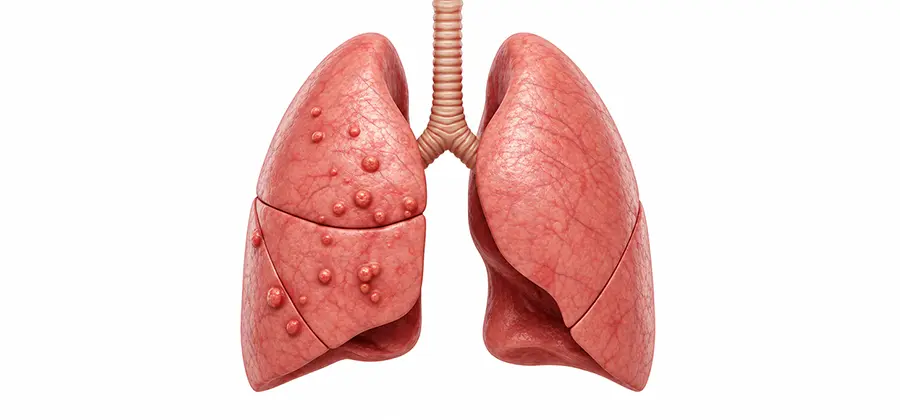
Patients requiring long-term care, oncology care, and chronic disease care (brain, heart, kidney, lung, endocrine, infectious diseases, and smoking cessation case management).
Utilize comprehensive case management based on the five aspects of care (whole person, whole family, whole process, whole team, whole community)
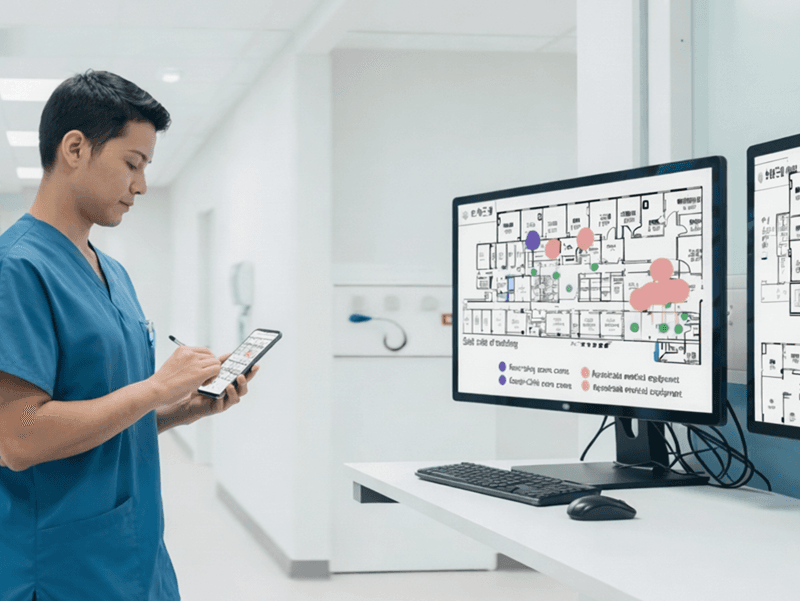
Establish an integrated case management information system for dynamic and timely care without any missed calls
Develop a 24-hour telephone consultation service, providing 24/7 service
Monthly co-management meetings to discuss cases, connecting oncology, chronic disease, and long-term care case management to provide integrated care.
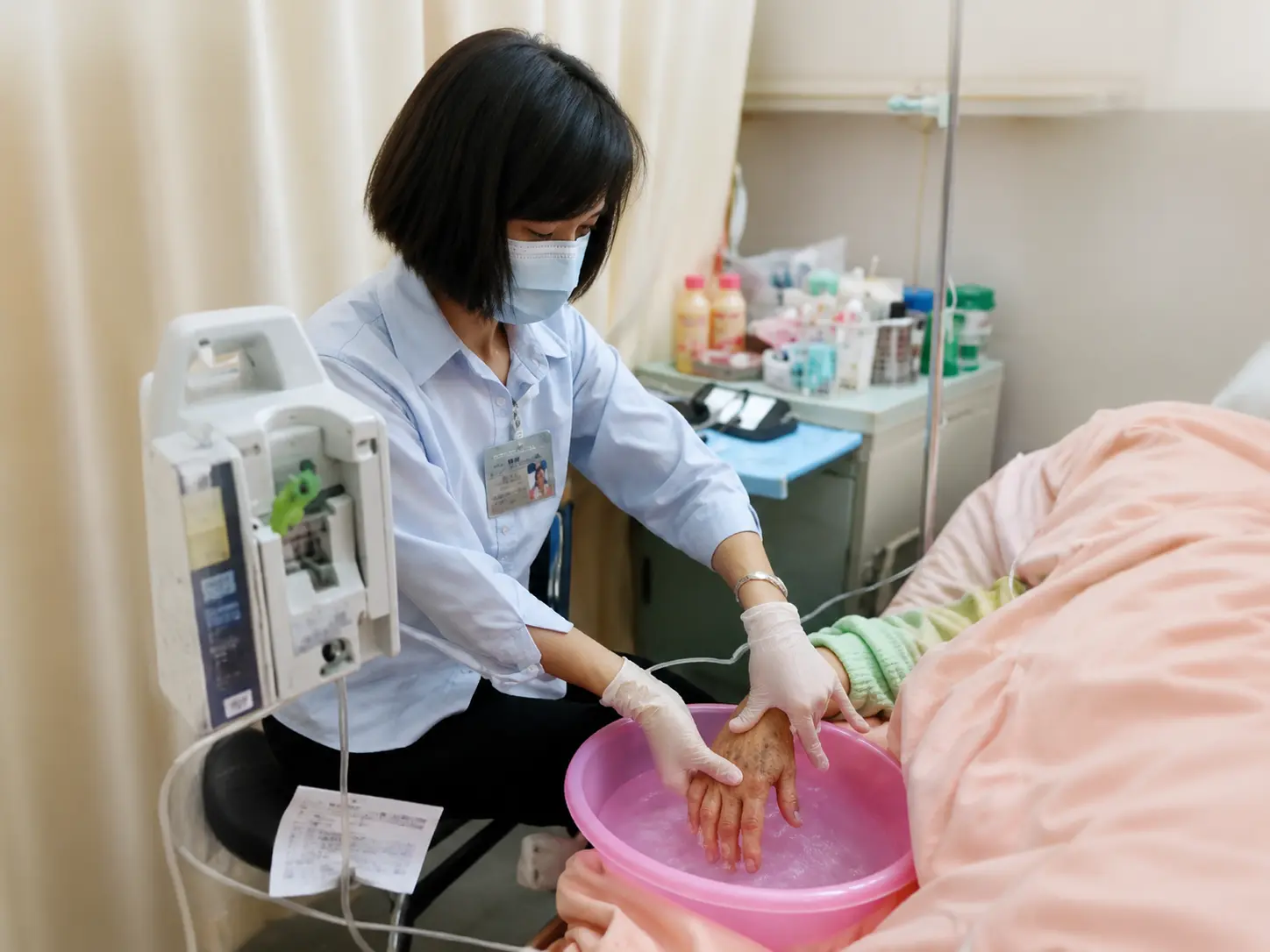
I. Pioneering Case Management and Co-management Care: Utilizing a case management model and an integrated care approach, the team initiates case management and care for patients upon admission or early diagnosis. Case management includes oncology and chronic disease management; discharge preparation services are initiated upon disability; and co-management of palliative care is initiated in the terminal stage. After discharge, the team extends medical care into the community, providing home-based care tailored to patient needs.
II. We form a medical team with physicians, nurses, social workers, nutritionists, pharmacists, rehabilitation therapists, religious leaders, and volunteers from various medical specialties.
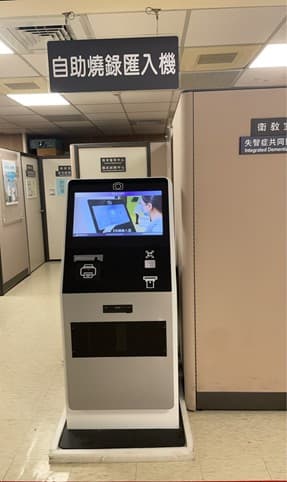
III. We develop an in-hospital information system and construct a case management platform to increase the timeliness and effectiveness of health education follow-up.
IV. We hold monthly co-management meetings to discuss cases, connecting the management of oncology, chronic diseases, and long-term care cases to provide integrated care.
V. We provide a patient-centered, holistic care model encompassing the whole person, the whole family, the entire process, the whole team, and the whole community. Utilizing this five-pronged approach, we provide complete and continuous medical and nursing care, offering high-quality holistic care that addresses the physical, mental, and spiritual aspects of life.
Pioneered a shared case management model, increasing case enrollment and care capacity. In 2025, 275 long-term care, 351 chronic disease, and 127 oncology patients were enrolled.
Integrated information systems to streamline case management and enhance follow-up. In 2025, follow-up reached 281 long-term care, 2,960 chronic disease, and 655 oncology patient encounters, with a loss-to-follow-up rate of only 0.2%.
Integrated Care: Monthly multidisciplinary case conferences connected oncology, chronic disease, and long-term care case management, reducing the unplanned readmission rate to 3.4% in 2025.
Comprehensive Palliative Care Team: Increased palliative care coverage to 84.6% for cancer patients and 46.2% for non-cancer patients in 2025.
Dementia Care: The enrollment rate of confirmed dementia patients increased from 35.3% to 70.1%.
Discharge Planning: The assessment rate for the Long-Term Care 2.0 program increased from 10.7% to 13.4%.
Care Transition: The post-discharge medical care transition rate increased from 20% to 23%.
Post-Acute Care: Fifteen frail older adults received post-acute care. The average Barthel Index improved from 36.7 to 55, while 71.4% (20/28) of long-term care reablement patients achieved functional improvement.
Home Hospice Care: The home death rate among hospice home care patients reached 54.1%, exceeding the national home death rate of 35.2%.
24/7 Telephone Consultation: Provided immediate health education, consultation, and clinical guidance.
Hospice Home Care: Correct awareness of the on-call consultation service increased from 36.4% to 88.7%. The service handled 99 calls in 2023 and 104 calls in 2024, with zero patient complaints.
Patient-Centered Comprehensive Care: Implemented a comprehensive patient-centered care model, achieving a 95.4% patient satisfaction rate in 2025.
Received the Gold Award from the Global Network for Tobacco-Free Healthcare Services (GNTH).
Hosted study visits from Singapore hospitals on chronic kidney disease and long-term care case management.
The Coronary Artery Disease (CAD) Care Team received the National Symbol of Quality (SNQ) certification.
Presented one oral presentation and two posters at the 29th International Conference on Health Promoting Hospitals and Health Services (HPH).
Presented one poster at ICCN 2023.
Presented one oral presentation at the 15th Cross-Strait and Hong Kong–Macau Nursing Summit Forum.
Presented one oral presentation and one poster at the 30th International HPH Conference.
Presented two posters at ICCN 2025 in Helsinki.
Home healthcare services repeatedly received Outstanding and Excellence Awards from the Taipei City Department of Health.
Received the Bronze Award of the National Symbol of Quality (SNQ) for "Waltz of Life: Patient-Centered Comprehensive Care" (2010–2013).
Received the National Symbol of Quality (SNQ) for the comprehensive pressure injury care program in 2014. Received the Bronze Tower Award at the National Quality Control Circle Competition in 2016 for improving end-of-life assessment through health information systems.
Received the National Healthcare Quality Award (Merit Award) in 2023 for improving the enrollment rate of patients with confirmed dementia.
Received the National Healthcare Quality Award (Merit Award) in 2024 for improving oral care practices among primary caregivers of home healthcare patients.
Achieved Joint Commission of Taiwan Disease Care Certification (2019–2024) for cancer, breast cancer, COPD, coronary artery disease, heart failure, kidney disease, diabetes, stroke, asthma, and traumatic brain injury.
Received the National Symbol of Quality (SNQ) Award in 2025 for the project "Building a Shared Care Model for Integrated Multimorbidity Management.
" Received the Silver Award at the 2025 Taiwan Sustainability Action Awards for "Waltz of Life Across Generations.
" Received the 2025 Sustainability Performance Award – Age-Friendly Leadership Award for the project "Lighting the Future of Aging: Advancing Dignity and Equity Through Holistic Healthcare."